




Vaginal dryness isn't just a menopause thing. It shows up in your 20s and 30s, after having a baby, on certain birth control pills, and during allergy season. If you're dealing with it right now, you're in very common company.
There's also a lot you can do at home. This guide covers the natural remedies for vaginal dryness with real evidence behind them, the ones to skip, and how products made for vaginal health fit into a routine once you know what's driving your dryness.
Why Vaginal Dryness Happens
Estrogen keeps vaginal tissue thick, elastic, and lubricated. When levels drop or fluctuate, the tissue thins, blood flow decreases, and natural lubrication slows down. Clinicians call this vaginal atrophy, or genitourinary syndrome of menopause (GSM) when urinary symptoms come along for the ride.
Dryness can feel like itching, burning, irritation, or friction. Painful sex (the clinical term is dyspareunia), light spotting afterward, and urinary urgency belong to the same picture.
Menopause is the best-known cause, and it's far from the only one. We cover causes in depth in our guide to why your vagina might be dry.
Dryness Outside of Menopause
Plenty of things lower or disrupt estrogen well before menopause, and a few dry you out without touching your hormones at all:
-
Perimenopause and the postpartum months, especially while breastfeeding, since prolactin suppresses estrogen
-
Hormonal birth control, particularly low-dose combination pills
-
Medications like antihistamines, decongestants, and some antidepressants
-
Cancer treatment, including chemotherapy, pelvic radiation, tamoxifen, and aromatase inhibitors
-
Health conditions such as Sjögren's syndrome, diabetes, and thyroid disorders
-
Your cycle itself. Estrogen dips right after your period, so a few drier days there are normal
Then there are the irritants: over-washing, douching, fragranced soaps and wipes, scented liners, harsh laundry detergent, spermicide, and glycerin-heavy or warming lubricants. These don't change your hormones. They strip moisture and aggravate skin directly.
How to Tell What's Driving Your Dryness
Before you buy anything, ask yourself three questions.
Is the dryness constant, or only during sex? Constant discomfort points toward tissue and hormones. Friction only during sex points toward lubricant choice and more arousal time.
Did it start alongside something new? A medication, birth control, product, or life stage that lines up with the timing is your likeliest culprit, and eliminating an irritant is the easiest thing to test.
Is there odor, unusual discharge, or burning when you pee? That combination points to an infection, and it needs a clinician. Dryness and irritation get mistaken for yeast infections all the time, and treating the wrong thing with repeat antifungals or boric acid can make irritation worse.
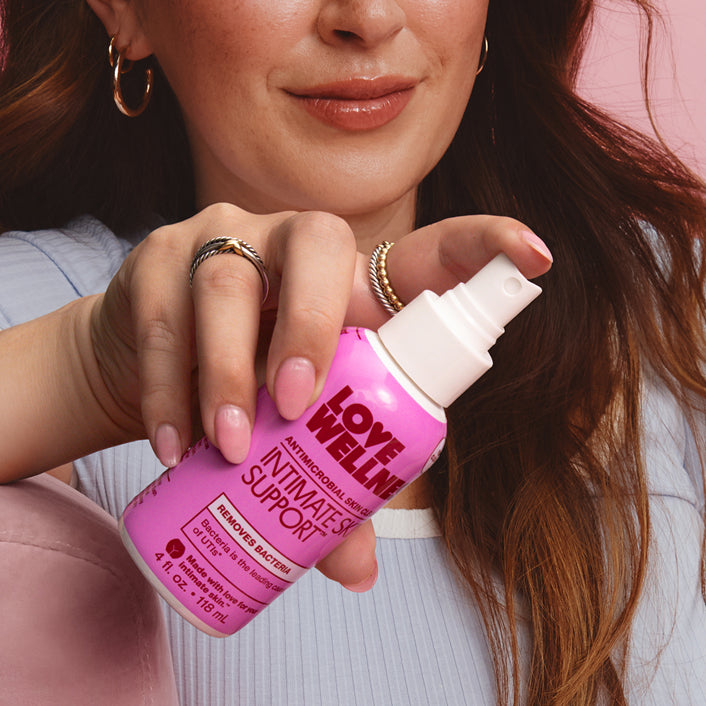
Our own range sorts the same way: external moisture, internal moisture, microbiome support, and gentle cleansing.
Vaginal Moisturizers vs. Lubricants
This is the single most common point of confusion. A vaginal moisturizer is used on a schedule, every one to three days, to improve tissue comfort over time. A lubricant is used in the moment to reduce friction during sex.
Most people who say lubricant "doesn't work" are using it for a moisturizer problem. And you can use both. Ob-gyns often suggest sexually active women use a lubricant in addition to a scheduled moisturizer.
What to Look For in a Moisturizer
If you're looking for a natural vaginal moisturizer, five things to check:
1) Hyaluronic Acid on the Label
Hyaluronic acid is the most-studied non-hormonal ingredient. It works by binding water to tissue rather than acting on your hormones. A 2026 review of clinical trials in postmenopausal women found moderate-quality evidence that it can ease dryness in that group.
2) The Right Format for Where It Hurts
Moisturizers come in two formats. Internal options, like vaginal suppositories, are inserted where thinning tissue needs support. External creams are made for the vulva, the outer skin that gets sore and chafed. Some people need both.

3) A Hormone-Free Internal and External Pair
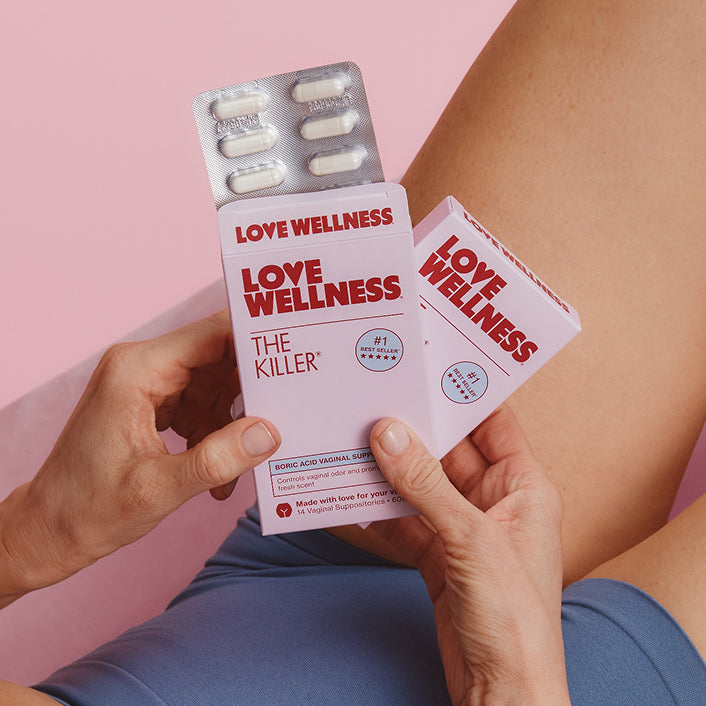
Comfy Suppository™ is a hormone-free hyaluronic acid vaginal suppository in the internal category, used once every two to three nights as needed to help restore a comfortable level of moisture. Like other formulas with an oil base, it isn't recommended alongside latex condoms. Comfy Cream® is its external counterpart for the vulva.

4) Skin-Level Support When You Need It
If your discomfort sits mostly at the skin level, our guide to moisturizer for the vulva goes deeper, and the Skincare for Down There™ collection covers that territory.
5) A Short List of Things to Skip
Skip anything with fragrance, glycerin-heavy formulas, parabens, propylene glycol, or "tightening" and numbing additives. Those ingredients irritate exactly the tissue you're trying to soothe.
Lubricant Types and Trade-Offs
Water-based lubricants are safe with all condom types and most toys, though they need reapplying. Check the label for glycerin, and choose formulas close to vaginal pH, which sits around 3.8 to 4.5. Products far outside that range can add irritation.
Silicone-based lubricants last the longest and are condom-safe, though they can degrade silicone toys. Oil-based options are skin-friendly and long-lasting, with one major caveat: they weaken latex condoms.
In lab testing, mineral oil cut latex strength by roughly 90 percent within a minute, and oils in general, including coconut oil, are known to compromise latex. If you rely on latex condoms, keep oil away from them.
Clinicians disagree on oils beyond that. Some recommend skipping oil-based lubricants entirely, while others consider unrefined plant oils a fine natural lubricant when latex condoms aren't involved. If your skin tolerates oil and condoms aren't in the picture, it's a fair option to raise with your provider.
Natural Remedies for Vaginal Dryness: Oils and Topicals
1) Coconut Oil
Coconut oil is the most-searched remedy in this category. It's a gentle emollient that most skin tolerates well, and many people use it externally on the vulva. The catch is the evidence: support comes largely from general skin research, since dedicated trials on vaginal use are lacking. And it weakens latex condoms.
2) Vitamin E
Vitamin E comes as a topical oil and as vaginal suppositories. Small studies in postmenopausal women, including a 12-week trial of 52 participants, suggest suppositories may improve vaginal comfort. That research covers topical use; taking vitamin E by mouth is a different question.
3) Aloe Vera
Aloe can hydrate irritated vulvar skin, with two conditions. Use pure gel only, since most drugstore aloe contains alcohol or additives that sting compromised tissue. And treat it as a moisturizer rather than a lubricant, because it dries out quickly.
4) Sea Buckthorn Oil and Omega-7
This one is taken by mouth. Sea buckthorn oil supplies omega-7 fatty acids, which support mucous membranes throughout the body. One trial of 116 postmenopausal women found modest improvement in vaginal tissue integrity over three months. The evidence base is small, so treat it as a supporting player.
5) What Not to Put In or On the Vulva
Yogurt, tea tree oil, essential oils, garlic, hydrogen peroxide, baby oil, douches, and petroleum jelly with condoms. These disrupt the vaginal microbiome or damage the skin barrier, and both make dryness worse. A "natural" label tells you nothing about whether something belongs on intimate skin.
Diet, Hydration, and Supplement Support
Food and supplements act slowly. They can support a topical routine, and none of them replaces one. Think in weeks and months, and let the topical steps carry the load in the meantime.
1) Hydration and Healthy Fats
Staying hydrated supports tissue moisture throughout your body, vaginal tissue included. Omega-3 fats from fatty fish, flaxseed, and walnuts give skin and tissue better raw material. Neither will resolve low estrogen on its own.
2) Phytoestrogens
Soy, tofu, flaxseed, and sesame contain phytoestrogens, plant compounds that may act weakly like estrogen in the body. Study results for dryness are mixed, with some analyses finding benefit and others finding none. If you have a history of hormone-sensitive cancer, clear these with your oncologist first.

3) Vitamins, Kept in Their Lane
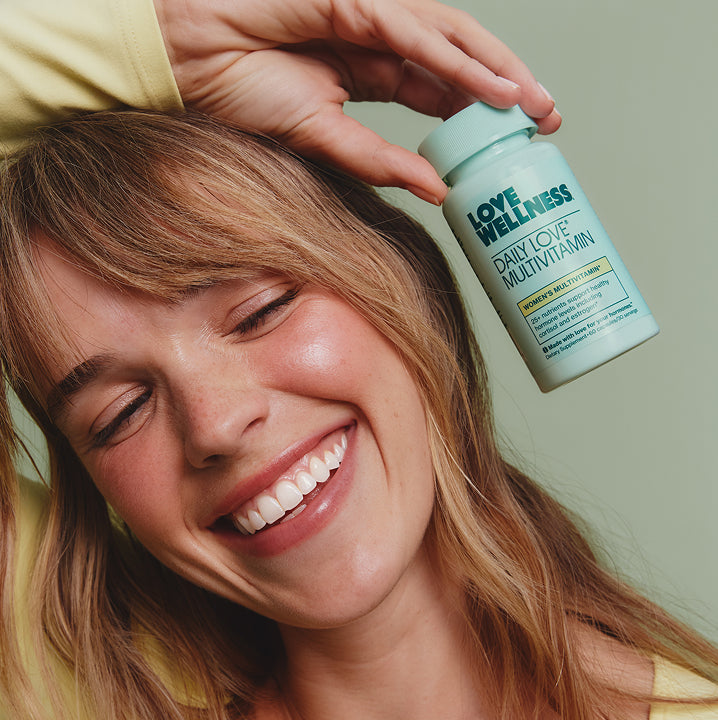
No vitamin has been shown to resolve vaginal dryness, and anyone selling one that way deserves your skepticism. What daily vitamins do is fill nutritional gaps so your body has what it needs. Daily Love® Multivitamin sits in that daily-support category, and Healthy V® Vitamin is the more targeted option, supporting healthy yeast levels.
4) Probiotics and the Vaginal Microbiome
A healthy vaginal microbiome runs on Lactobacillus bacteria, which help keep pH in its acidic range. When that balance slips, irritation and recurring infections follow, and those get confused with dryness constantly.
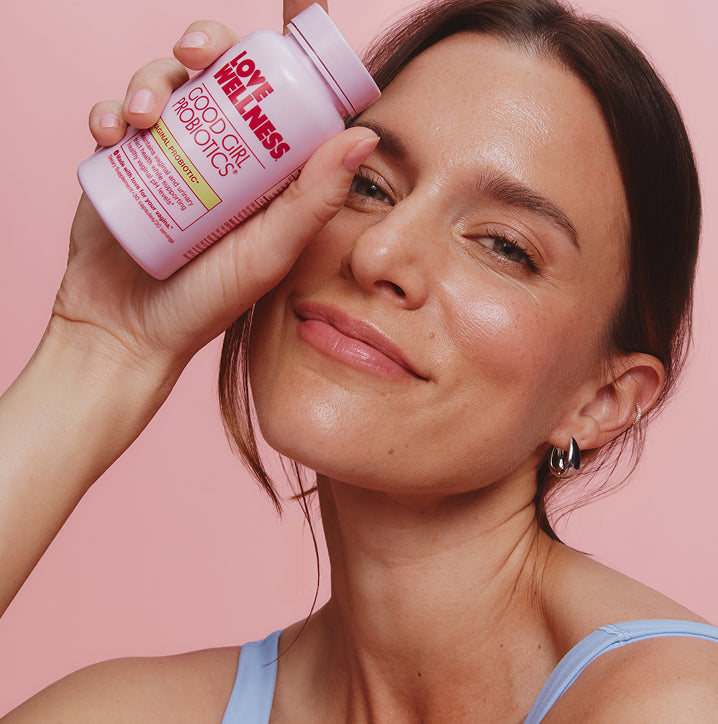
Probiotics like Good Girl Probiotics® and Flora Power® fit here as microbiome support. They support healthy pH and odor; moisture is a different job. We dig into how that works in our guide to probiotics and vaginal health.

Daily Habits That Reduce Friction and Irritation
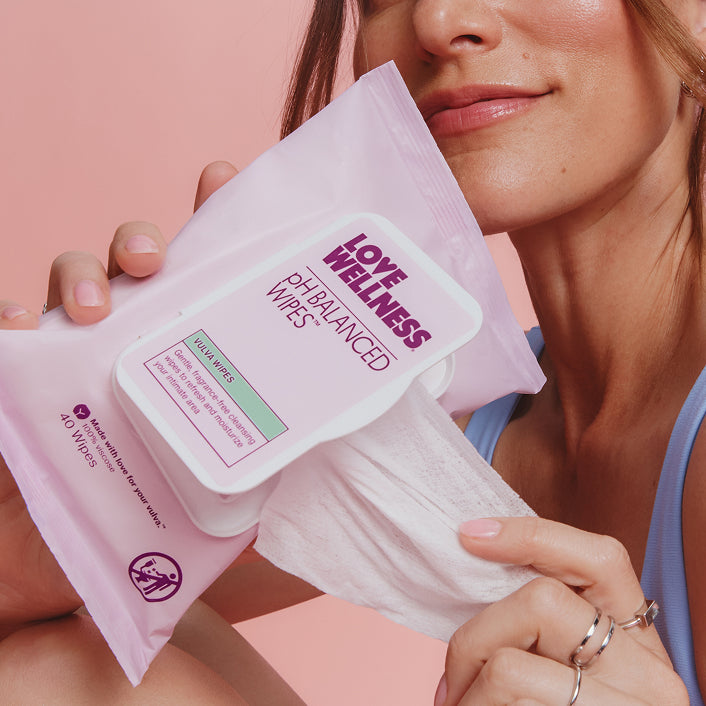
Cleansing: the vagina cleans itself, so washing stays external. Warm water works, or a fragrance-free option like our pH Balanced Cleanser™ on the vulva only.
Fabrics: breathable cotton underwear, a quick change out of damp swimwear or workout clothes, fragrance-free detergent, and no fabric softener or dryer sheets on anything that touches intimate skin.
Then there's blood flow, the mechanism behind several habits at once. Arousal time and foreplay, regular sexual activity or self-stimulation, pelvic floor exercises like Kegels, and regular cardio all support the blood flow that natural lubrication depends on.
Smoking lowers estrogen and constricts blood vessels, and alcohol is dehydrating. Both work against everything else on this list.
What Natural Remedies Can't Fix
When tissue thinning is driven by low estrogen, topical moisture manages symptoms without rebuilding the tissue underneath.
A clinician can walk you through the options that work at the tissue level: local vaginal estrogen, vaginal DHEA, oral ospemifene, and pelvic floor physical therapy.
Stop experimenting and book an appointment if you notice bleeding after sex, worsening pain, unusual discharge or odor, burning when you pee, dryness after cancer treatment, or dryness alongside dry eyes and dry mouth, a possible sign of Sjögren's syndrome.
There's also a useful benchmark from ob-gyns: if a consistent moisturizer and lubricant routine hasn't improved things after about two months, make the appointment.
Dryness often goes unmentioned at appointments, so if raising it feels awkward, one plain sentence works: "I've been dealing with vaginal dryness and want to talk through options." Your provider hears this all the time.
Building a Routine Around Your Cause
Friction during sex only: a well-chosen lubricant plus more arousal time. You'll know within a few encounters whether that solved it.
Daily discomfort and thinning tissue: a scheduled internal moisturizer two to three times a week, plus an external cream for the vulva. Give it several weeks of consistent use before judging.
Irritation after a new product: eliminate the suspect, switch to a fragrance-free cleanser, and give your skin a couple of weeks to calm down before adding anything else.
Whatever your starting point, change one thing at a time. Layering five remedies at once makes it impossible to tell what helped.
FAQs
Why am I suddenly dry down there?
Sudden dryness usually tracks to a recent change: a new medication, birth control, breastfeeding, a new soap or detergent, or a shifting cycle. Retrace the last month for anything new, and check with a provider if odor or discharge came with it.
Can you have vaginal dryness without being in menopause?
Yes, and it's common. Birth control, antihistamines, antidepressants, postpartum hormones, and everyday irritants all cause dryness in your 20s, 30s, and 40s.
What can you safely use to moisturize the vulva?
A fragrance-free external cream made for vulvar skin, pure aloe vera gel, or a plain emollient like coconut oil if you don't use latex condoms. Skip anything scented, tingling, or warming.
How long do natural remedies take to work?
Lubricants work immediately. Scheduled moisturizers usually need a few weeks of consistent use, and dietary changes are slower still. If two months of consistent care brings no improvement, see your provider.
Match the Remedy to Your Cause
The remedies that help are the ones matched to your situation: a lubricant for friction, a scheduled moisturizer for daily comfort, an irritant purge after a product reaction, and a provider visit when red flags show up. Sorting your cause first turns a ten-item list into two or three real steps.
Dryness is a common symptom, and a manageable one. With a gentle cleanser, moisture support where your body needs it, and a provider in your corner for the rest, you can feel comfortable in your body at every stage of life.
*