



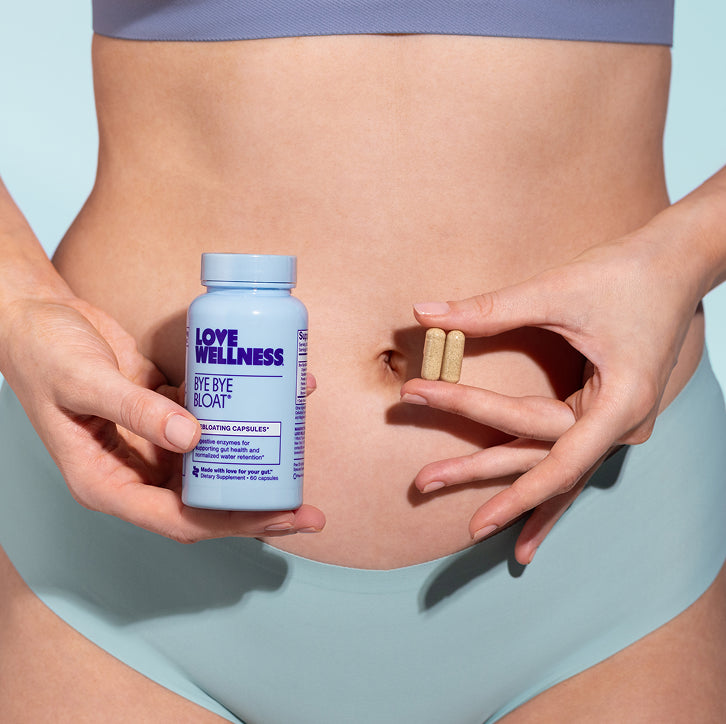



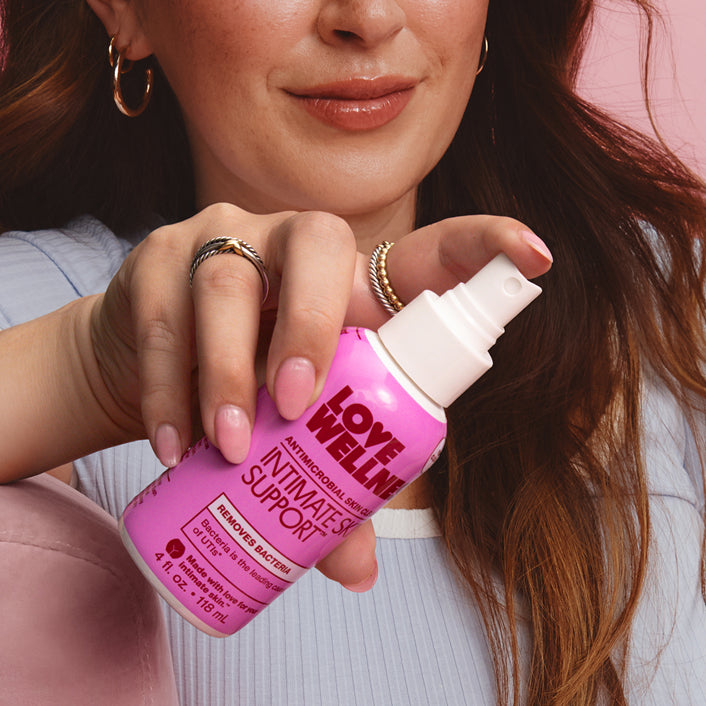



Period odor is a common, usually normal part of your cycle, shaped by hormones and vaginal bacteria. If you've wondered why your period smells so bad some months, you're in good company. When it feels stronger than you'd like, Love Wellness' Probiotic Bundle helps maintain a healthy vaginal environment.
In this guide, we take a closer look at menstrual blood and what different period smells mean. We also cover the warning signs worth watching for and simple ways to support vaginal balance during that time of the month.
Why Does Period Blood Smell?
Menstrual blood barely smells on its own. The scent you notice develops once it leaves your body and meets air, bacteria, sweat, and your period products. Add in your naturally acidic vaginal pH and normal hormonal shifts, and you get a scent that can shift from day to day and month to month. Some period smell is completely expected.
What Is Period Blood Made Of?
Despite the name, period blood isn't just made up of blood. Menstrual fluid is a combination of the following:
-
Blood
-
The uterine lining (endometrial tissue)
-
Vaginal and cervical mucus
-
An unfertilized egg
As this mixture leaves the body, it interacts with oxygen and your vaginal bacteria, both of which can affect the smell. Keep in mind that your vagina is a naturally acidic environment (typically with a pH between 3.8 and 4.5), and this acidity is another major factor in how your period smells.
Why Does Period Blood Have a Strong Smell?
On its own, menstrual blood doesn't have a particularly strong odor. Smell develops when menstrual fluid comes into contact with air, bacteria, sweat, and period products. Some common factors that can influence the overall odor include:
-
Exposure to oxygen (especially when wearing pads or period underwear)
-
Iron content in blood
-
Hormonal fluctuations throughout the cycle
-
Shifts in vaginal bacteria
-
Sweat glands in the vulvar area
-
How long blood stays on a pad or is in contact with skin
This is why period smell can vary from day to day (or month to month) without necessarily indicating a problem.
Common Period Blood Smells and What They Mean
While every person is different, certain menstrual odors tend to be more common than others. Learning to recognize different scents helps you tell the difference between what's normal and what may need medical attention.
Metallic or metal-like smell
A mild, metallic scent (often compared to a copper coin) is one of the most common odors. It's typically caused by the high iron content in menstrual blood, especially on days with heavier flow.
Earthy smell
An earthy or musky scent can occur when menstrual blood mixes with natural vaginal bacteria. It can also happen when the blood remains in a pad or tampon for longer periods.
While this smell is usually a sign of normal bacterial activity, changing period products regularly can help reduce the odor.
Sweet smell
Many people notice a faintly sweet or tangy scent during their period. This is usually not a cause for concern, since it's linked to natural fluctuations in pH and vaginal bacteria.
Fishy smell
A strong fishy odor during your period may point to a vaginal bacterial imbalance such as bacterial vaginosis (BV). You may also notice:
-
Vaginal itching or irritation
-
Thin, gray, or off-white vaginal discharge outside of your period
-
A lingering odor that doesn't go away
If these symptoms persist, consult a healthcare provider. Long-term vaginal support (including products from our Vaginal Health Collection) may help support ongoing balance.
Rotten smell
A sulfurous smell (similar to rotten eggs) can sometimes happen if a tampon, menstrual cup, or condom has been left in the vagina for too long. If you're unable to remove it yourself or if symptoms continue, seek professional medical care as soon as possible.
Meaty or "bad meat" smell
A stronger, meatier smell (some describe it as raw or spoiled meat) usually comes from a heavier flow. More blood means more iron, and the longer it sits against air and bacteria, the more intense the scent gets. On its own it's normal. But a putrid smell with itching or unusual discharge is worth a call to your provider.
Ammonia smell
Sometimes period blood takes on a sharp, ammonia-like smell. This often happens when a little urine mixes with menstrual blood on your pad, and it can get stronger if you're dehydrated, since that concentrates the urine. Staying hydrated and changing your pad more often usually softens it.
Body odor-like smell
The vulva contains apocrine sweat glands, which can cause sweat to mix with bacteria and create a sourish smell. Perspiration may also increase with heat, stress, and physical activity.
While a body odor-like smell is completely normal, you can reduce it through stress management, gentle hygiene habits, and breathable cotton underwear.
Onion or sour smell
A sour or oniony smell usually traces back to that same sweat. The vulva's apocrine glands release a heavier kind of sweat that mixes with bacteria, and the combination can read as sharp or oniony, especially after a warm day or a workout. Breathable cotton and regular product changes help here too.
Can Other People Smell My Period?
This is a common period worry, and the honest answer is reassuring: almost certainly not. When you catch your own period smell, you're detecting it at close range. Seated, that scent sits much closer to your own nose than to anyone else's. What feels obvious to you is usually undetectable to the people around you, even through clothing.
A fresh pad or tampon, breathable cotton underwear, and changing your products regularly all keep everyday period smell from building up. What tends to backfire is reaching for fragranced sprays, wipes, or "freshening" products. Those can disrupt your vaginal pH and make odor worse, not better.
If you're noticing a strong smell that lingers no matter how often you change your products, that's worth a conversation with your provider rather than a stronger scented cover-up.
Can Period Products Affect How Your Period Smells?
Yes, the type of menstrual product you use can influence odor. Let's take a closer look:
-
Pads allow more airflow, which can make smells more noticeable.
-
Tampons trap blood internally. This may reduce odor initially, but worsen it if left in too long.
-
Menstrual cups collect blood without absorbing it, often resulting in less odor.
-
Period underwear should be changed regularly to prevent bacterial buildup that creates stronger smells.
There's no one-size-fits-all option. Many women mix and match different options depending on their flow, daily activities, and personal preferences. The right choice is whatever fits your lifestyle and keeps you comfortable.
Period Blood Smells That Aren't Normal
While some variation is expected, certain smells shouldn't be ignored. Consider reaching out to a healthcare provider if you notice:
-
A strong fishy odor that doesn't go away
-
Rotten or foul smells paired with discomfort
-
Burning, itching, or unusual discharge
-
Sudden changes that persist across multiple cycles
Your period can offer valuable insight into your overall health, so it's worth paying attention to any significant shifts. For more context, check out: What Period Blood Color Says About Your Health.
How to Get Rid of Period Smell
You don't need to eliminate natural vaginal odor entirely, and honestly, you can't. But there are plenty of ways to support a healthy vaginal environment during your cycle and keep everyday smell in check.
Avoid harsh cleansers
Did you know that the vagina cleans itself? That means douching or using fragranced washes can throw off your pH balance and make odors worse instead of better.
Focus on external care
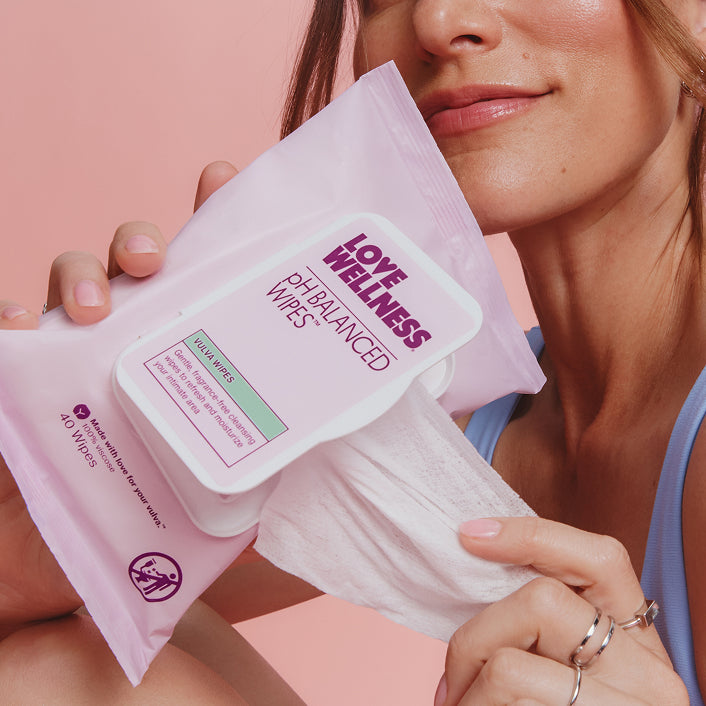
Clean the vulva gently using fragrance-free products that won't strip moisture or irritate sensitive skin. Our pH Balanced Cleanser is a great option for intimate areas.
Change period products regularly
Tampons should be changed every 4 to 8 hours, while pads and period underwear should be changed as needed.
Support balance from within
The gut and vaginal microbiomes are closely connected, and consistent probiotic support may help maintain balance throughout the menstrual cycle. A daily vaginal probiotic like Good Girl Probiotics can be part of a routine that supports healthy odor and pH, and you can explore our Vaginal Health Kits for a fuller routine.
Build strong immunity
Hormones and immunity also shift across the menstrual cycle, which can influence vaginal health and odor. Support your immunity through quality sleep, a balanced diet, and staying hydrated.
FAQs
Why does my period smell worse some months than others?
It's normal for period odor to vary from cycle to cycle. Hormones, stress, period products, and shifts in vaginal bacteria can all affect how menstrual blood smells from one month to the next.
Is it normal for period blood to have a fishy smell?
A mild fish-like odor can be normal. However, a strong fishy smell may point to a bacterial imbalance like bacterial vaginosis (BV) or a sexually transmitted infection, such as trichomoniasis. If the fishy odor is persistent or comes with unusual vaginal discharge, it's best to consult a healthcare provider.
Why does my period smell so bad this month?
Usually it's down to normal, temporary factors: a heavier flow day, longer gaps between product changes, hormones, stress, or extra sweat. A stronger smell for a cycle or two is common and rarely a problem. If it lingers or comes with itching, burning, or unusual discharge, see a healthcare provider.
Can probiotics help with period odor?
Probiotics can help support balanced gut and vaginal bacteria, which influence how things smell. They can't treat infections, but they can be part of maintaining a healthier vaginal environment over time.
Final Thoughts
The complex mix of blood, tissue, bacteria, and hormones is responsible for the range of smells that show up with your period. While metallic, earthy, musty, and tangy scents are all completely normal, strong fishy or rotten smells could signal that something is off.
Here at Love Wellness, we know that understanding your body helps you take better care of it. With the right knowledge and Vaginal Health products, you can feel comfortable and confident through every phase of your cycle.