











If you have dealt with bacterial vaginosis, you know the signs: a fishy odor, thin discharge, and that worried late-night scroll through your symptoms. BV is one of the most common reasons women feel like something is off, and it is more common than most people realize.
Vitamin C has become a quiet favorite in vaginal health for one reason: it supports the acidic environment your good bacteria need to thrive. Here is how it fits in, why BV happens, and where a product like Flora Power® comes in.
What Is Bacterial Vaginosis?
Bacterial vaginosis is the most common vaginal imbalance in women of reproductive age. It happens when the protective Lactobacillus that keep your vagina acidic drop in number, which lets less friendly bacteria multiply and lowers your natural acidity. That shift is what brings the familiar symptoms: a thin discharge and a fishy odor.
What BV usually feels like
BV often shows up as a thin, grayish discharge with a noticeably fishy smell, sometimes stronger after sex. You might also notice mild itching or burning. For comparison, healthy discharge is usually clear to milky and only lightly scented, so a sudden fishy change is the signal worth paying attention to.
How providers diagnose BV
Diagnosis is a provider's job, and they usually look for a few specific signs. A common framework counts four: a thin discharge, a fishy odor, a raised vaginal pH, and "clue cells" visible under a microscope. Finding three of the four points to BV.
If you have had BV before, you might recognize the pattern, but a quick swab is the only way to confirm it rather than guess.
Why it is worth taking seriously
Here is the part that surprises people: almost half of BV cases have no symptoms at all. Left unaddressed, BV can contribute to pelvic infections, raise the risk of pregnancy complications, and increase susceptibility to sexually transmitted infections.
That is why getting BV diagnosed and treated matters, and why it is especially important during pregnancy. A symptomless case is still worth treating.
What can throw your flora off
A lot of everyday things can tip the balance, including:
- Hormonal birth control and IUDs
- Multiple or new sexual partners
- Antifungal medications used for yeast
- Diet and other lifestyle factors
Some of these you can adjust and some you cannot, which is part of why a supportive daily routine helps you stay ahead of recurrences.
How Vitamin C Supports Vaginal Health
Vitamin C is best known for immune support, but it also factors into vaginal health in a few specific ways. Here are five worth knowing.
1. Supports a healthy, acidic pH
Your vagina is meant to be acidic, and that acidity is what keeps good bacteria in charge. Vitamin C helps support that lower, more acidic pH, which makes the environment less welcoming to the bacteria behind BV. Lactobacillus already do this by producing lactic acid, and vitamin C supports them on the same front.
2. Brings antioxidant support
Vitamin C is an antioxidant, so it helps neutralize free radicals and supports healthy tissue. That is part of why it shows up across so much of skincare and wellness.
3. Supports collagen and the vaginal lining
Vitamin C supports collagen production, which helps keep the vaginal lining strong, resilient, and comfortable. A healthy lining is part of a healthy, protected environment. Estrogen dips, like those around menopause, can thin that lining over time, so collagen support becomes more useful with age.
4. Supports your immune system
Vitamin C supports immune function, including immune cells like macrophages and neutrophils, and it helps support the epithelial barrier that lines and protects the vagina. Think of it as backing up your body's own defenses rather than replacing them.
5. Supports moisture and comfort
By supporting hydration and a balanced pH, vitamin C can help with the dryness that sometimes comes with hormonal changes, including around menopause.
Other Ways to Support a Healthy Vaginal pH
Vitamin C is one piece of a bigger picture. A few everyday habits go a long way toward a stable, acidic environment:
- Skip douching and heavily fragranced washes, which strip away good bacteria
- Choose breathable cotton underwear and change out of sweaty or wet clothes promptly
- Stay hydrated and eat a varied, nutrient-dense diet
- Manage stress and protect your sleep, since both affect your immune balance
Other nutrients support the same goal. Vitamin D, for example, supports immune function and overall vaginal health as part of a balanced diet, so a well-rounded routine does more than any single nutrient on its own.
Vitamin C, Probiotics, and Flora Power®
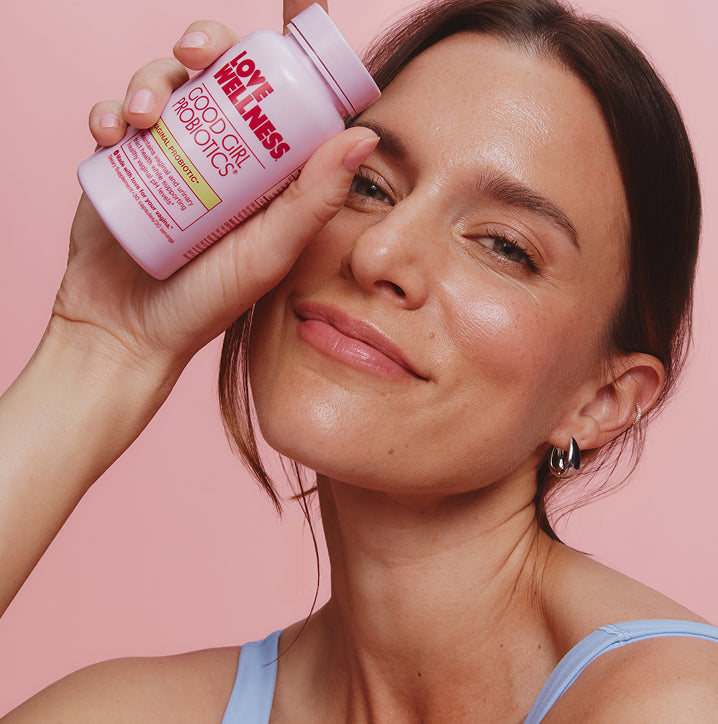
Vitamin C does even more with a little backup. Probiotics like Good Girl Probiotics® help replenish the Lactobacillus that produce lactic acid and keep your pH where it should be. Here is more on how probiotics support vaginal health.
On the food side, citrus and fermented foods support both your gut and vaginal microbiomes, which is a simple, everyday way to back up the rest of your routine. Aim to make them regulars rather than occasional, since consistency is what supports a steady microbiome.
If you want vitamin C and probiotics in one targeted step, Flora Power® is a vaginal suppository that pairs a probiotic blend with Vitamin C to support a healthy, acidic pH and a fresh environment. It is made with clinically studied ingredients and fits alongside a pH-balanced routine and our vaginal health kits.
For more on the acidity side of all this, our guide on how to balance your vaginal pH goes deeper.
When to See Your Doctor
Supplements support a healthy environment, but they do not replace medical care. Because BV can be symptomless and still cause problems, see your provider if you notice a fishy odor, unusual discharge, or irritation, and especially if you are pregnant.
A quick visit gets you an accurate diagnosis and the right treatment. Vitamin C and probiotics can then support a balanced environment around that care, not in place of it. If you are not sure whether you are dealing with BV or a yeast infection, here is how to tell BV and yeast apart.
Frequently Asked Questions
Can vitamin C help with BV?
Vitamin C supports the acidic vaginal environment that good bacteria need, which is the same balance BV disrupts. It is a supportive step, not a stand-alone treatment. If you have an active case, your provider's treatment comes first, and vitamin C and probiotics can support a healthy environment around it.
Is vitamin C better than antibiotics for BV?
No. Antibiotics are the standard, doctor-prescribed treatment for an active BV infection, and vitamin C is not a replacement for them. It is best thought of as everyday support for a balanced pH, especially between episodes.
How do you get vitamin C for vaginal health?
There are two main routes. Oral vitamin C from food like citrus and from supplements supports your body overall, while a vaginal suppository like Flora Power® delivers Vitamin C and probiotics locally to support a healthy pH.
Is vaginal vitamin C safe?
For most adults, used as directed, yes. As with any new vaginal product, check with your provider first if you are pregnant, breastfeeding, or managing a health condition, and stop if you notice irritation.
How long until I notice a difference?
It varies from person to person. Vitamin C and probiotics do their best work as steady, ongoing support rather than a one-time fix, so give your routine consistent time and loop in your provider if symptoms stick around.
Should I use vitamin C if I keep getting BV?
Recurrent BV is worth a conversation with your provider, since repeated rounds of antibiotics can be hard on your good bacteria. Many women use vitamin C and probiotics as ongoing support between episodes to help maintain a balanced pH.
Can you take too much vitamin C?
Vitamin C is water-soluble, so your body flushes what it does not use. Very high oral doses can still cause stomach upset or loose stools, so stick to the amount on your supplement label and remember that food sources count toward your total.
Does diet alone provide enough vitamin C?
For many people, a diet with citrus, peppers, and leafy greens covers daily vitamin C needs. A supplement or a targeted suppository like Flora Power® can add support when you want it focused on vaginal health.
The Bottom Line
Vitamin C supports vaginal health by doing one thing well: backing the acidic environment your good bacteria depend on. It brings antioxidant support, helps with collagen and the vaginal lining, and supports your immune system along the way.
Paired with probiotics, a balanced diet, and the treatment your provider recommends when you need it, vitamin C is a simple way to support a more comfortable you. Explore Flora Power® and our vaginal health collection for more ways to feel your best, at every stage of life.