









If you just started a probiotic, you probably want a timeline. Here's the honest version: some effects show up in a day or two, most digestive changes land in two to four weeks, and whole-body shifts can take six to eight.
A lot of that comes down to one thing most guides skip. Probiotics don't move in and set up house. They pass through, doing their work along the way, which is why the clock really starts when you take them consistently.
How fast you notice a difference depends on your gut to begin with, the strains you're taking, and your daily routine. Below, we break the timeline down by what you're trying to support, including vaginal health.
What Probiotics Are, and Why They Matter
Your gut is home to trillions of microbes that shape digestion, immunity, skin, mood, and even hormone balance. Probiotics are the live microorganisms that help keep that community, your gut microbiome, in balance.
You'll find them naturally in fermented foods like yogurt, kefir, kimchi, and kombucha. Many women reach for a probiotic supplement too, since it delivers a more concentrated, consistent dose of specific strains.
It helps to sort out three related terms. Probiotics are the beneficial bacteria themselves. Prebiotics are the fiber that feeds them. Postbiotics are the helpful compounds those bacteria produce as they work.
Benefits of probiotics
Taken consistently, a quality probiotic can:
-
Support regular, comfortable bowel movements
-
Support immune function
-
Help ease bloating and gas
-
Support urinary and vaginal balance
-
Strengthen the gut barrier
-
Support nutrient absorption
How Long Probiotics Take to Work, by Goal
The reason timelines feel confusing is that "probiotics" covers a lot of different goals, and each one moves at its own pace. Here's the quick version by goal:
-
Acute diarrhea: 1 to 2 days
-
Bloating and gas: 1 to 2 weeks
-
Constipation and regularity: 2 to 4 weeks (full effect 4 to 6)
-
Vaginal and urinary balance: 4 to 8 weeks
-
Immunity, skin, and mood: 6 to 8 weeks, up to 3 months
Diarrhea: 1 to 2 days
This is where probiotics act fastest. If you're taking one alongside a course of antibiotics or through a stomach bug, this is the window where you might notice a difference.
Research from the National Center for Complementary and Integrative Health points to acute and antibiotic-associated diarrhea as some of the better-supported uses for probiotics.
That covers traveler's diarrhea and the loose stools that can follow a course of antibiotics, when the usual balance of gut bacteria gets thrown off.
Bloating and gas: 1 to 2 weeks
This is often the first change people feel, since gas and bloating respond fairly quickly once the bacterial mix starts to even out.
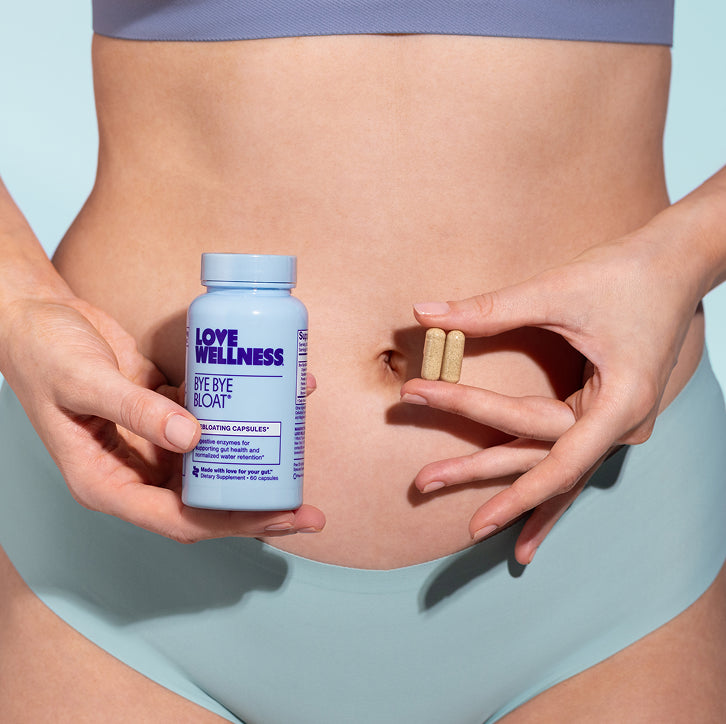
Within a week or two, a lot of women notice less bloating after meals and less gas. If bloating is your main concern, a targeted formula like Bye Bye Bloat® can support digestive comfort while your routine settles in.
For more ways to ease it, see our guide on how to get rid of bloating.
Constipation and regularity: 2 to 4 weeks
Changes to regularity usually take a little longer, often two to four weeks, with the full effect closer to four to six. Over that window you may see softer, easier-to-pass stools and more predictable timing.
Yes, probiotics can make you poop more comfortably, but they work by supporting your gut's own rhythm rather than acting like a laxative.
A daily option like Gut Feelings Probiotics® is built for this kind of everyday support, and our deeper dive on probiotics for digestion covers the how and why.
Vaginal and urinary balance: 4 to 8 weeks
This is where a women's probiotic really differentiates itself, and it's the timeline most general guides skip. Supporting vaginal flora and a healthy pH is a slower process, often four to eight weeks of consistent use. The vaginal microbiome keeps its own balance of protective bacteria, so supporting it is a different job than gut support alone.
Good Girl Probiotics® is formulated to support both gut and vaginal balance, and Flora Power® works locally as a suppository to support a healthy pH.
If odor is part of what brought you here, we get into it in can probiotics help vaginal odor.
Immunity, skin, and mood: 6 to 8 weeks, up to 3 months
Whole-body benefits are the slowest to show and the easiest to miss, since they build gradually. Immune support, clearer-looking skin, steadier energy, and better sleep often take six to eight weeks, sometimes up to three months. Because these systems sit downstream of your gut, they're also where patience pays off most.
The gut-skin and gut-brain connection are why a probiotic can ripple out well beyond digestion. For skin specifically, Clear Skin Probiotics® targets that pathway from the inside.
Why it takes time
Probiotics are transient. They don't permanently colonize your gut. They interact with the microbes you already have as they pass through, then move on. Think of it like watering a plant: skip a few days and you drift back toward where you started.
That's why a single dose does very little and why daily use is the whole game. Research backs this up: probiotics behave as transient visitors rather than permanent residents in the gut. The benefit accumulates only as long as you keep taking them.
What Affects How Fast Probiotics Work
Two people can take the same probiotic and feel it on completely different schedules. A few things explain the gap.
Your current gut health
If your gut is noticeably out of balance, a state sometimes called dysbiosis, you may feel changes sooner as things start to shift. A weakened gut barrier can also mean more noticeable effects early on, as the lining gets more support.
The strains you're taking
Different strains do different jobs, so what you're taking matters as much as whether you're taking anything at all.
-
Lactobacillus strains, including L. acidophilus, L. rhamnosus, and L. reuteri, are often linked to digestion and vaginal health
-
Bifidobacterium strains like B. longum support stool consistency and the gut lining
-
Saccharomyces boulardii, a beneficial yeast, is often used for more stubborn digestive upsets
If you're juggling more than one goal, a multi-strain formula covers more ground than a single strain.
Quality and dose
This is where the label matters. CFUs, or colony-forming units, tell you how many live organisms you're getting per dose. Many formulas built for gut concerns start in the several-billion range, but bigger isn't automatically better. A well-matched strain at a sensible dose beats a big number on the front of the bottle.
Third-party testing and storage matter too. Live cultures are fragile, so a well-made, properly stored product does more than a flashy label.
What else you're taking
Your probiotic doesn't work in a vacuum. If you're on antibiotics, keep taking it, and space the two doses a few hours apart.
Don't stop when the antibiotic course ends, either, since that's exactly when your gut is rebuilding. Heavy alcohol can work against you, while steady fiber intake gives your bacteria something to feed on.
Consistency
None of the above matters without this one. Probiotics work best taken daily, at the same time, without skipping. Irregular use slows or resets your progress.
Signs Your Probiotics Are Working
The tricky thing about probiotics is that the wins are quiet. They're small and cumulative, a handful of little things getting easier. The signs usually look like this:
-
More regular, more comfortable bowel movements
-
Less bloating and gas after meals
-
Less cramping and abdominal discomfort
-
Steadier energy and fewer sugar cravings
-
Clearer-looking skin
-
Better sleep and a more even mood
-
Fewer flare-ups of vaginal or urinary discomfort
That last one is the sign most general probiotic guides never mention, and it's often the reason a women's formula is worth the switch.
One thing to expect: a little extra gas or bloating in the first week or two is common and usually settles on its own. It's a sign your microbiome is adjusting, and it's completely normal.
How to tell if it's working: track it
Because the changes are subtle, they're easy to talk yourself out of. A simple symptom journal solves that. Jot down how often you're going, how you feel after meals, and how often the issues you're targeting come back.
Over a few weeks, a pattern you'd never catch day to day becomes obvious. If you're new to probiotics, our Probiotic Bundle pairs complementary strains for gut and vaginal support, and the full gut health range is organized around exactly these goals.
Signs your probiotics aren't working (and what to do)
If eight weeks go by with no change, take a look at a few things before giving up:
-
The strain doesn't match your goal
-
The dose is too low
-
You've been skipping days
-
It's been stored wrong (heat and humidity degrade live cultures)
-
The issue isn't coming from your microbiome in the first place
If you've ruled those out and still feel off, that last point is the one to take seriously. Check in with a healthcare provider, especially if symptoms are persistent or severe.
Our guide on blood in poop and gut health covers a few signs that always deserve a call.
Signs of a Distressed Gut
Around 70 million Americans deal with some kind of digestive issue each year, whether it's the modern diet, chronic stress, or both. Your gut doesn't always complain in obvious ways, so it helps to know the signals.
-
Ongoing bloating and gas
-
Recurring yeast infections or other vaginal issues
-
Skin flare-ups
-
Poor sleep
-
Sugar cravings
-
Irregular digestion, including constipation and diarrhea
-
Mood swings
Some of these tie into bigger patterns, like the way gut health affects your hormones, or what persistent sulfur burps can signal.
If these show up regularly, or if symptoms are persistent or severe, check in with your healthcare provider for a proper diagnosis and a plan that fits you.
How to Get Faster Results
You can't rush biology, but you can set the stage so your probiotic has an easier job.
Feed your gut the right foods
Two kinds of food help here, and they're easy to mix up. Probiotic foods add live cultures: yogurt, kefir, sauerkraut, kimchi, kombucha, miso, and tempeh. Prebiotic foods are the fiber that feeds your bacteria: garlic, onions, bananas, oats, and asparagus.
Our roundup of probiotic foods to try goes deeper, and if you're curious how the fiber side works, how fiber aids digestion breaks it down.
Stay hydrated
Water keeps things moving and helps beneficial bacteria travel through your gut. Six to eight glasses a day is a reasonable target.
Mind what disrupts them
A few everyday things work against your progress: heavily processed food, excess sugar, alcohol, and unnecessary antibiotics. As noted above, if antibiotics are medically necessary, keep your probiotic going and space the doses.
Store them properly
Probiotics are alive, so they can lose potency if they're left in heat or humidity. Check the label for storage instructions, and follow them.
Take it at the same time every day
Consistency beats clever timing. Morning or night matters far less than picking a time you'll stick to, day after day. Anchoring it to an existing habit, like brushing your teeth, makes it easier to remember.
FAQs
What are the signs that probiotics are working?
The most common signs are more regular bowel movements, less bloating, steadier energy, clearer-looking skin, and fewer flare-ups of vaginal or urinary discomfort. Most are gradual, so track them over a few weeks.
What happens when I first start taking probiotics?
Some people feel a little extra gas or bloating in the first week or two. That's usually your microbiome adjusting, and it settles on its own for most women.
How long does it take to fix your gut with probiotics?
There's no single fix-it date. Digestive changes often land in two to four weeks, while deeper rebalancing can take a few months of consistent use, alongside supportive food and sleep.
How long do probiotics stay in your system?
Not long. Because they're transient and don't permanently colonize your gut, they clear out within days of your last dose, which is why daily use matters.
Can probiotics cause gas or bloating?
They can, temporarily, in the first week or two as your gut adjusts. If it's severe or lasts longer than a couple of weeks, check in with your healthcare provider.
Should I take probiotics in the morning or at night?
Any time works. The bigger factor is taking them at the same time each day so the routine sticks.
How long should I take probiotics for?
Many women benefit from ongoing daily use, especially with recurring digestive or vaginal concerns. If you stop, your gut often drifts back toward its previous balance over time.
Can probiotics work overnight?
Not really. A few people notice small changes within days, but meaningful shifts take weeks.
Can probiotics help with irritable bowel syndrome?
They may help ease some IBS-related symptoms like bloating and abdominal discomfort. Response varies by person and strain, so talk with your provider about what fits you.
The Real Timeline Is a Daily One
So the honest answer to how long probiotics take is that it depends on your gut, your strains, and above all your consistency. Some things shift in days, most in a few weeks, and the whole-body benefits over a couple of months.
A quality probiotic for women like Gut Feelings Probiotics® or Good Girl Probiotics® gives your gut and vaginal balance a steady foundation to build on.
Probiotics aren't a quick fix. They're a long-term investment in how your body works and feels, so a little patience goes a long way.