




Zinc is one of the most abundant trace minerals in the body, second only to iron and one of the most underrated ingredients in your beauty routine.
Most know it as an immune booster or associate it with sunscreen, but its impact on your skin and hair goes much deeper than that. From regulating sebum production and protecting against early aging to preventing hair thinning and breakage, zinc does a lot of the heavy lifting that keeps your hair and skin glowing and healthy.
Benefits of Zinc for Skin Health
Around 6% of our body's total zinc amount is found in the skin, mainly concentrated in the epidermis (outer layer) rather than the dermis beneath it. This explains why zinc has such a direct impact on how your skin looks and feels.
Here's a closer look at the skin benefits of zinc:
Regulates oil production and reduces breakouts
Zinc helps control the sebaceous glands responsible for sebum production, the natural oil that keeps skin hydrated and moisturized. When those glands are overactive, excess sebum clogs pores, which sets the stage for breakouts and reactive skin. Zinc controls this while simultaneously reducing inflammation that worsens existing blemishes and acne.
If you're looking to support a clearer complexion, our Clear Skin Probiotics® are formulated to support the skin's microbiome from the inside out.
Protects against UV and free radical damage
Oxidative stress plays a major role in premature aging, UV damage, and many other chronic skin conditions, including dark spots. Zinc is an essential antioxidant that helps protect the skin by neutralizing free radicals from UV rays and environmental pollution.
Topical zinc oxide creates a natural barrier that reflects UVA and UVB rays instead of absorbing them, which is why it's common in mineral sunscreens and works well for sensitive skin.
One thing worth noting: zinc supplements don't replace topical treatments and SPF. Each plays a different protective role, and you need them working together for maximum effect.
Supports collagen synthesis and wound healing
As we age, collagen levels drop naturally, leading to wrinkles, fine lines, and skin that gradually loses its firmness. Zinc plays a major role in supporting elastin and collagen synthesis, the proteins that keep skin firm and supple. When zinc levels are low, collagen production slows, and blemishes or minor wounds may take longer to heal and fade.
This is why zinc is so helpful to use after breakouts. By supporting the body's natural wound healing process, zinc helps new skin cells form faster where tissue has been damaged. Our Glow & Grow Bundle® offers a wellness routine designed to support healthy skin at any age.
Calms inflammation and soothes reactive skin
Zinc has natural anti-inflammatory properties that help dial down redness, swelling, and irritation, making it not just great for treating acne but all types of inflammatory skin conditions as well. It's commonly used to treat chronic hand eczema, rosacea-related redness, and acne-prone skin, and even soothes sunburn.
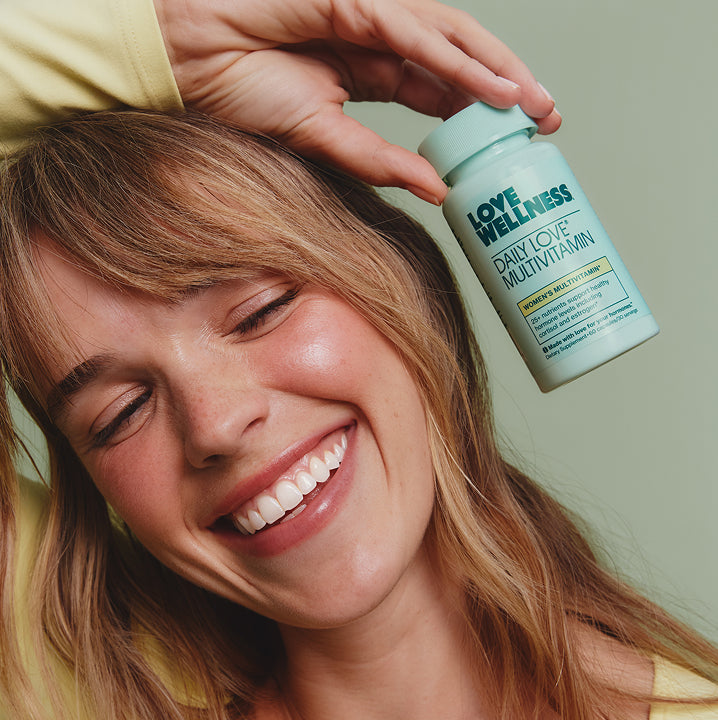
Topical zinc creams usually provide near-immediate relief, while zinc-rich vitamins and probiotics (like our Daily Love® Multivitamin) can support overall skin wellness as part of a daily routine.
Benefits of Zinc for Hair Health
Zinc's hair benefits come down to two main things: its role in keratin synthesis (the protein that forms every hair strand) and its regulation of oil production around the hair follicles. Low zinc levels are one of the more overlooked reasons behind hair thinning and scalp problems.
Here's why zinc is so good for your hair:
Good for hair growth
Zinc plays a key role in healthy hair growth by supporting follicle cell division, which affects how strong and long hair can grow. When levels drop, hair follicles shrink, which may explain why your hair is thinning or is more prone to shedding.
Low levels of zinc and vitamin D may also be linked to conditions like alopecia areata, an autoimmune disorder that causes the body to attack its own hair follicles, resulting in patchy baldness.
Prevents breakage and split ends
Nobody likes split ends. Luckily, zinc helps support keratin production, which keeps hair strong and flexible. With sufficient keratin, your hair can bend without breaking and hold onto moisture more easily.
Without enough zinc, hair can become brittle, dry, dull, and more prone to snapping, fraying, and split ends over time.
Fights dandruff and promotes scalp health
Zinc pyrithione (found in most anti-dandruff shampoos) helps control the overgrowth of Malassezia, the yeast responsible for those white flaky bits and scalp irritation. Beyond that, zinc's sebum-regulating and anti-inflammatory effects keep the scalp microbiome balanced. When your scalp is healthy, your roots are stronger, and flakes are far less likely to show up.
Other Health Benefits of Zinc
Skin and hair aside, zinc is involved in over 300 enzymatic processes in the body.
A few worth knowing include:
-
Immunity: Zinc helps produce and activate immune system cells that identify and fight off germs. Even a mild deficiency can significantly reduce immune function.
-
Wound healing: Zinc ions stimulate collagen synthesis, fight infections, and promote new cell growth that helps combat slow wound healing. This essential trace mineral speeds up chronic wound and acute injury recovery.
-
Hormone regulation: Zinc supports and synthesizes hormones such as insulin (for blood sugar control), sex hormones (estrogen, testosterone, and progesterone for reproduction and mood), and thyroid (for energy and metabolism).
-
Metabolic function: Zinc activates enzymes to break down carbs, fats, and proteins in the body, turning food into usable energy.
The Bottom Line
Zinc does a lot for your skin and hair than you may realize. It helps combat oily skin, builds collagen, protects against UV damage, and keeps hair follicles functioning properly so your hair stays strong.
Most people get enough zinc through a balanced diet, but if you're experiencing more frequent skin issues or your hair feels brittle, supporting your routine with the right vitamins and probiotics can make a meaningful difference. Our Daily Love® Multivitamin includes zinc as part of its full-spectrum formula, while our Clear Skin Probiotics® are designed to support skin wellness from the inside out, and our Glow & Grow Bundle® pairs targeted nutrients to support skin and hair health together. Whatever your routine looks like, giving your body the foundational support it needs is one of the simplest ways to feel your best.
FAQs
What is zinc?
Zinc (Zn) is an essential trace mineral that's responsible for over 300 enzymatic processes in the body, ranging from immune function to protein synthesis.
What does zinc do for your face?
Zinc is an essential mineral for healthy skin. It supports skin healing, protects skin from sun damage, and gives dull skin a clearer, healthier glow. On top of that, zinc regulates sebum production to keep oiliness under control, which directly reduces the frequency and severity of breakouts.
What should I take with zinc supplements to increase absorption?
Zinc supplements are absorbed better when paired with protein-rich foods and vitamin C.
What vitamin shouldn't be taken with zinc?
Calcium and magnesium can reduce zinc absorption when taken together in supplement form, so spacing them out throughout the day can help. Iron and zinc can also interfere with each other's absorption when taken at the same time in supplement form, though this is less of a concern when they come from food sources. Long-term high doses of zinc can also lower copper levels, which is something to be aware of if you're taking zinc supplements regularly.
Why is zinc good for the body?
Zinc reduces inflammation, has antibacterial properties, and supports optimal functioning of normal bodily functions (e.g., metabolism, cell division, hormone regulation).
What are the signs of zinc deficiency?
A few common signs of a zinc deficiency include:
-
Frequent infections or slow-healing wounds
-
Unexplained hair loss (including thinning)
-
Reduced taste or smell
-
Irregular periods (women)
-
Stunted growth (children)
What's the daily recommended dose of zinc?
The recommended daily intake of zinc (Zn) is:
-
8 mg for adult women
-
11 mg for adult men
-
11-12 mg for pregnant/lactating women
-
2-11 mg for kids, depending on age
Follow the recommended guidelines because too much zinc over time can lead to copper deficiency and other complications.
*
