











There's no blood test that tells you you're low on probiotics. No single symptom proves it either, whatever the supplement ads say.
What does exist is a handful of situations where probiotics have decent evidence behind them, and a handful of everyday signs that your gut could use more support. That's a more useful way to think about it than a checklist of fourteen symptoms.
Here's how to tell which situation you're in, and what probiotics can and can't do once you're there.
What Probiotics Are (and Aren't)
Probiotics are live microorganisms, mostly bacteria and some yeasts, that can offer a health benefit when you take in enough of them. You get them from fermented foods like yogurt, kefir, and kimchi, or from supplements.
Two things worth knowing up front. Different strains do different things, and the label should tell you which ones you're getting. And according to the NIH's National Center for Complementary and Integrative Health, the FDA hasn't approved any health claims for probiotics, and strong evidence is still lacking for most uses.
That's the honest baseline. Probiotics support your body's own systems. They aren't a treatment, and anyone selling them as one is overselling.
Why Your Gut Balance Matters
Your gut is home to trillions of microbes, and the balance between them affects more than digestion. Roughly 70 to 80 percent of your immune cells sit in the gut, and your gut and brain are in constant communication through what researchers call the gut-brain connection.
Digestive trouble is also common. An estimated 60 to 70 million Americans are affected by digestive diseases. So if your gut feels off, you're in very large company.
Signs Your Gut Could Use Support
These run roughly from strongest evidence to weakest.
1. You've Recently Taken Antibiotics
This is the clearest case. Antibiotics clear out helpful bacteria along with the harmful ones, and antibiotic-associated diarrhea is a common result.
Probiotics have their best evidence here. One meta-analysis of 42 studies found that taking probiotics alongside antibiotics lowered the risk of antibiotic-associated diarrhea in adults by about 37 percent. Our guide on whether you can take probiotics with antibiotics covers timing so the antibiotic doesn't cancel out the probiotic.
2. Your Digestion Feels Off
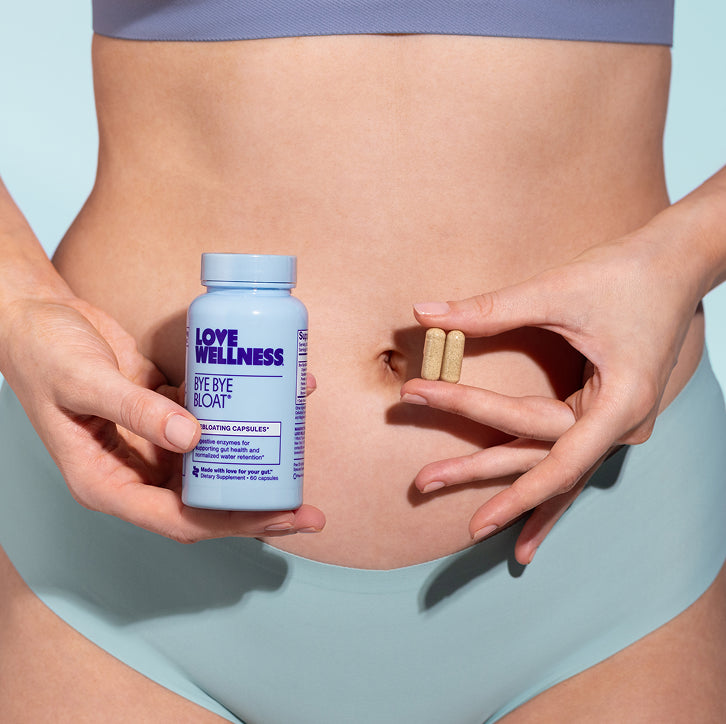
Bloating after normal meals, more gas than usual, or a stomach that never quite feels settled can all point to a gut that could use support. Passing gas is normal, and most people do it somewhere between five and 15 times a day. It's the change from your normal that's worth paying attention to.
Gut Feelings Probiotics® is our digestive probiotic: a clinically studied blend of pre- and probiotics that supports calm digestion and a healthy microbiome, with support for regularity and occasional gas relief.
3. You're Getting Over a Bout of Diarrhea
Diarrhea flushes out a lot of what's in your gut, including helpful bacteria. NCCIH lists acute diarrhea among the few areas with some supporting evidence for probiotics.
Diarrhea that lasts more than a couple of days, comes with fever or blood, or keeps returning needs a provider.
4. You're Not as Regular as Usual
Going less often, straining more, or stools that are hard and dry all point to slow transit. Fiber and water are the first things to look at. A probiotic can be part of the routine alongside them, and our guide to how long probiotics take to work sets realistic expectations.
5. You Deal With Recurring Vaginal Odor or Discomfort
Your vaginal microbiome is its own ecosystem, dominated in healthy conditions by Lactobacillus species. When that balance shifts, odor, discharge changes, and irritation can follow.
Good Girl Probiotics® is a vaginal probiotic that supports a balanced vaginal microbiome, healthy pH, and fresh odor. Our post on probiotics for vaginal odor goes deeper. If you have burning, unusual discharge, or symptoms that keep coming back, see a provider first, since those can signal an infection that needs a proper diagnosis.
6. Your Skin Is Acting Up
The gut-skin connection is an active research area, and early studies suggest gut balance may influence skin. The link is still emerging, so a probiotic works best as one part of a broader skin routine.
Clear Skin Probiotics® helps balance the skin's microbiome and promotes the appearance of healthy skin texture.
7. You've Been Stressed or Sleeping Badly
Stress and poor sleep both affect digestion through the gut-brain axis, which is why a rough week can show up as bloating or an unsettled stomach. Research on probiotics for mood and stress is early and mixed. Our post on probiotics and brain health covers where the science stands.
8. Your Diet Is Low in Fiber and Fermented Foods
If most of your meals come from a package and fermented food rarely shows up, your gut bacteria are working with less variety than they'd like. This is the sign most people overlook, and the first step is usually food.
When a Probiotic Probably Isn't the Answer
Some symptoms get pinned on gut health online without much evidence. Probiotics aren't a solution for food poisoning, allergies, bad breath, sugar cravings, or forgetfulness, even though you'll see all of these on symptom lists.
Persistent symptoms of any kind deserve a diagnosis. A probiotic can support a healthy gut, but it won't resolve a condition that's driving the symptom in the first place.
Probiotic Foods vs. Supplements
Food is a good place to start. Yogurt and kefir with live cultures, sauerkraut, kimchi, miso, and tempeh all supply probiotic bacteria, and our list of the top probiotic foods covers more.
Pair them with fiber-rich prebiotic foods like oats, bananas, and onions, which feed the bacteria already living in your gut. Our comparison of prebiotics and probiotics explains how the two work together.
Supplements make sense when you want a specific strain for a specific goal, or when food alone isn't getting you there. Strains matter more than the CFU count on the label, and our explainer on probiotic strains walks through what to look for.
How to Choose a Probiotic
Start with the goal. A digestive probiotic, a vaginal probiotic, and a skin probiotic use different strains for different jobs. Our probiotics for women range is organized that way, and our roundup of the best probiotics for women compares options.
Then give it time. Most people need four to six weeks of daily use before deciding whether something works. Switching every two weeks means never finding out.
When to Talk to a Doctor
Probiotics have few side effects for most healthy adults. Mild gas or bloating in the first week or two is common and usually settles.
Check with a provider before starting one if you're immunocompromised, seriously ill, pregnant, or recovering from surgery. See a doctor regardless of supplements if you have persistent abdominal pain, blood in your stool, unexplained weight loss, ongoing diarrhea, or vaginal symptoms that keep returning.
FAQs
Should I take probiotics every day?
For most people, yes, if you're taking them for ongoing support. Probiotic bacteria don't settle in permanently for most people, so the benefit usually fades when you stop. Daily use with consistency matters more than dose.
How do I know if a probiotic is working?
Look for gradual changes over four to six weeks: more regular digestion, less bloating, or for a vaginal probiotic, fewer odor or pH issues. If nothing has shifted after two months, it may be the wrong strain for your goal.
What's the best time of day to take probiotics?
Consistency matters more than timing. Our guide to the best time to take probiotics covers the details, including with or without food.
Can you take too many probiotics?
Taking more than the label recommends mainly increases the odds of gas and bloating. Our post on how much probiotics per day covers dosing.
Can I take more than one probiotic at a time?
Yes. A digestive probiotic and a vaginal probiotic support different microbiomes and can be taken together. Check with a provider if you're on medication or managing a health condition.
Probiotics Work Best When the Reason Is Clear
The strongest case for a probiotic is a specific one: a recent course of antibiotics, a digestive system that's been off for a while, recurring vaginal odor, or a diet light on fermented foods. In those situations, a well-matched probiotic used daily for a couple of months is a reasonable thing to try.
If your reason is vaguer than that, start with food and fiber. If your symptoms are severe or persistent, start with a provider.
Sources:
Digestive Diseases Statistics for the United States | NIDDK
75 Percent of Americans Say They Eat Healthy — Despite Evidence To The Contrary: The Salt | NPR
Flatulence | Better Health Channel
Vaginal Yeast Infections: Treatment, Causes, Prevention & Symptoms | Cleveland Clinic.
The gut-brain connection| Harvard Health
A Viewpoint on the Leaky Gut Syndrome to Treat Allergic Asthma: A Novel Opinion | PMC