




It starts as a question you ask at 3am, wide awake for no reason you can name, sheets kicked off because you’re somehow too warm again. Maybe it’s the hot flash that arrived mid-meeting, or the sense that your body changed the rules without telling you.
You’re not imagining it, and you’re not alone in wanting something you can do about it.That something often looks like a supplement aisle, which is where things get confusing fast. The labels promise a lot. The research is quieter, and a lot more honest.
This guide walks through what menopause supplements can reasonably support, what the evidence actually shows, and how to choose a supplement that fits your needs, expectations, and stage of life.
What Menopause Supplements Can Support
Menopause supplements sit in a specific spot. They aren’t hormone therapy, and they aren’t a substitute for it. Hormone replacement therapy (HRT) remains the most effective option for moderate-to-severe symptoms, and the supplement world doesn’t change that.
Women usually reach for supplements for one of two reasons.
-
Symptom relief, easing hot flashes, sleep trouble, or mood shifts.
-
Long-term health, supporting bone and heart changes that follow declining estrogen.
It helps to know where supplements fit before you start shopping. Some sit alongside a broader nutrition and hydration routine. Others target one symptom. None of them treat menopause itself, and the better products are upfront about that.
Perimenopause, Menopause, and Postmenopause
These three stages shift what your body needs. Perimenopause is the transition, when cycles get unpredictable and symptoms often peak. Menopause is the point you’ve gone 12 consecutive months without a period, which on average lands around age 51. Postmenopause is everything after.
The supplement focus changes as you move through them. In perimenopause and early menopause, the pull is usually symptom-driven: hot flashes, night sweats, sleep. In postmenopause, prevention moves up the list as bone and heart health become longer-term priorities. If you want a fuller picture of timing, our guide on how long menopause lasts covers the staging in more detail.
Common Menopause Supplement Ingredients and What They Support
Menopause supplement ingredients can support different goals, from sleep and bone health to occasional hot flashes and mood changes. The key is understanding what each ingredient is commonly used for, where the research is still developing, and when to involve a clinician.
A useful frame before the list: expert groups note that supplement research for hot flashes is still limited and inconsistent, so expectations should stay realistic. Individual ingredients still have nuances worth understanding, especially when you’re matching them to a specific goal.
1) Black Cohosh
Black cohosh is one of the most studied herbs for menopause support, especially around mild hot flashes. Results are mixed, and long-term safety data is limited, so it’s best approached with realistic expectations.
Because rare liver concerns have been reported with products labeled as black cohosh, anyone with liver issues, medication use, or ongoing health concerns should check with a clinician before starting it.
2) Soy Isoflavones and Phytoestrogens
Phytoestrogens are plant compounds that act a little like estrogen in the body. They act like estrogen; they aren’t estrogen replacement, and that distinction matters for what they can do.
The evidence is modest and variable. A 2013 Cochrane review found that extracts high in genistein, a soy-derived compound, appeared to reduce daily hot flushes, while other phytoestrogens showed no clear advantage over no treatment.
Worth knowing too: the trials were mostly small and short. If you have a hormone-sensitive condition, raise phytoestrogens with your clinician before starting.
3) Vitamin D and Calcium
This pairing is the prevention story, not the symptom story. After estrogen declines, bone density becomes a real long-term concern, and these two nutrients are foundational to bone health.
Clinical guidelines give concrete targets. Practice guidance for postmenopausal women recommends around 1,000 to 1,200 mg of calcium and 600 to 800 IU of vitamin D per day. ACOG also frames calcium, vitamin D, and weight-bearing exercise as core pieces of bone health after menopause. Food sources count toward those targets, and more calcium isn’t automatically better.
4) Omega-3s
Omega-3 fatty acids have a solid general case for heart and brain health, which makes them appealing in midlife. For menopause symptoms specifically, the picture is less settled.
A 2023 systematic review of postmenopausal women found mixed and inconclusive evidence overall: a few studies suggested a possible benefit for hot flashes and night sweats, while results for sleep quality and depression were heterogeneous and inconclusive.
Some smaller studies hinted at mood and vasomotor benefit, but the larger picture stays mixed. We go deeper in our piece on omega-3 fish oil for menopause symptom relief.
5) Magnesium
A practical, low-risk option, mostly studied for sleep rather than menopause directly. A meta-analysis of older adults with insomnia found that magnesium reduced the time it took to fall asleep by about 17 minutes versus placebo, though the trials were small and the evidence quality was low. Modest, but the safety profile is reassuring for most people.
6) Other Common Botanicals in Menopause Blends
Ginseng, red clover, dong quai, evening primrose, and maca show up constantly in menopause blends. These botanicals are commonly included in menopause blends, though the research varies by ingredient and outcome. They may be best considered as part of a broader wellness routine rather than the main reason to choose a formula.
How to Evaluate a Menopause Supplement
Knowing the ingredients is half the work. Choosing well is the other half, and it’s where most shopping goes sideways.
Start by matching the product to your actual symptoms.
A single-ingredient supplement targets one thing clearly. A blend or multivitamin spreads coverage wider but often at lower doses of each component. Neither is automatically better; it depends on what you’re solving for.
Check the dose against what was actually studied.
A label can list an impressive ingredient at a fraction of the clinically tested amount, especially inside a “proprietary blend” that hides individual quantities. Studied doses, listed transparently, are the green flag.
Look for third-party testing.
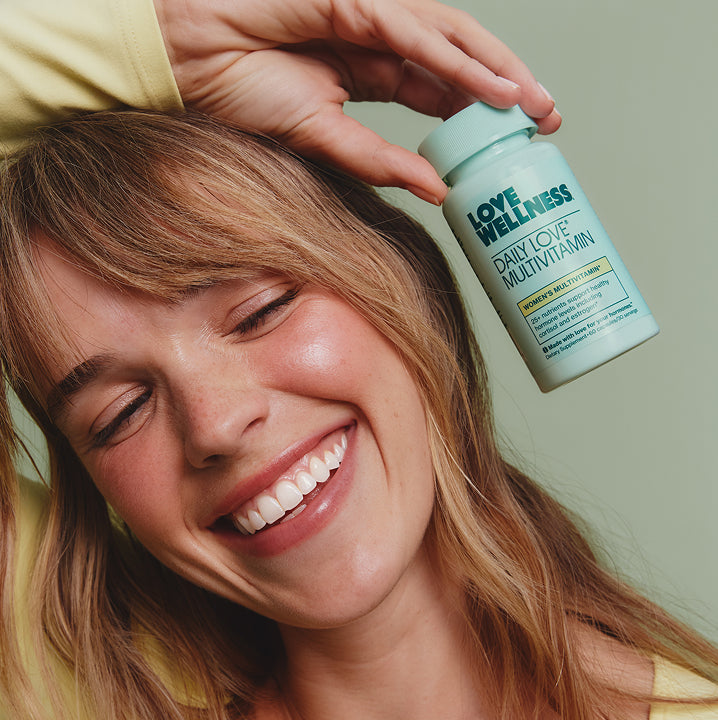
In a category the FDA doesn’t pre-approve, marks like USP or NSF certification signal that an independent lab verified what’s in the bottle. The Daily Love Multivitamin product page, for instance, notes the product is third-party tested, which is the kind of detail worth confirming on any product you consider.

Form can matter too. If you prefer capsules over gummies or powders, browsing by capsule format narrows the field quickly. Bioavailability differences exist between forms, though they matter more for some nutrients than others.
Finally, set realistic timelines. Many supplement benefits, especially for sleep, mood, or general wellness support, may take weeks to months to become noticeable. If something hasn’t done anything after a reasonable trial, that’s useful information, not a reason to keep buying.
Where does a multi-ingredient option like the Daily Love® Multivitamin fit? As one example of the blend approach, it can be considered alongside targeted single-ingredient supplements depending on what kind of support you’re looking for.
It offers 25+ nutrients, plus support for hormone balance, including cortisol and estrogen, with D3 for bone and muscle support and organic ashwagandha and chaste tree berry for hormone balance and stress response. That can be useful if you’re looking for a broad daily base rather than a single-ingredient option for one specific symptom.
Matching Supplements to Specific Symptoms
Sometimes you’re not shopping for a category, you’re solving a particular problem. Here’s how the options map.
1) Hot flashes and night sweats.
Hot flashes and night sweats are among the most common reasons women look at menopause supplements, but results vary by ingredient and person. Genistein-rich soy isoflavones have the best (still modest) supplement case, and black cohosh may help some women.
Neither is a replacement for hormone therapy, and expert guidance generally frames supplement support for hot flashes as limited and variable.
2) Sleep disruption.
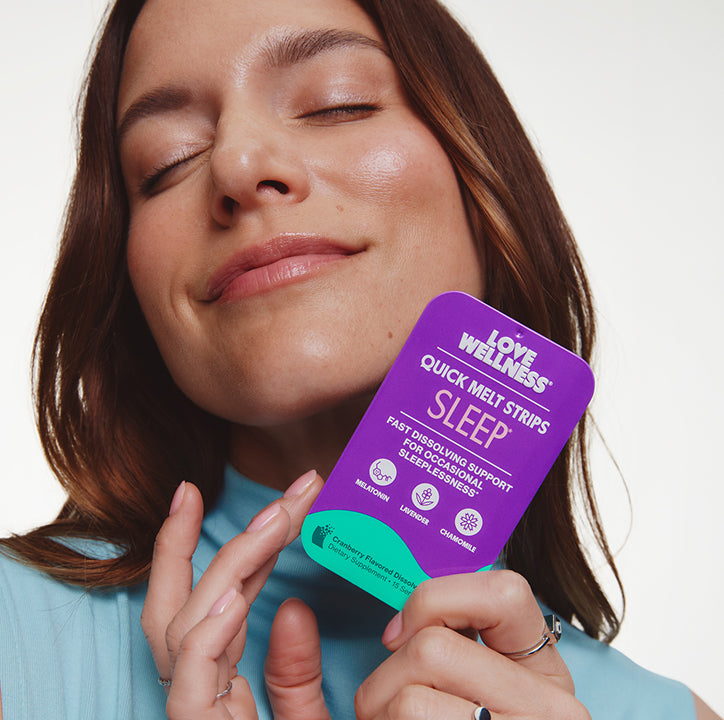
Magnesium has reasonable support, and melatonin can help reset the sleep-wake cycle. These are sleep aids, not menopause-specific fixes, which is worth holding in mind. A product like Sleeping Beauty® illustrates the melatonin option, pairing 3mg of melatonin per serving with magnesium glycinate for relaxation and lemon balm.
For more in this lane, the Mood + Sleep range groups related options.
3) Mood and focus changes.
Magnesium and omega-3s come up most, with the caveat that the menopause-specific evidence is mixed. If mood shifts feel persistent or heavy, that’s a signal to speak with a clinician instead of relying on supplements alone.
4) Bone and long-term health.
Vitamin D and calcium, paired with weight-bearing movement, are the evidence-backed core here. This is prevention-focused support, the long game rather than same-week relief.
5) Gut and absorption.
Digestive health affects how well you absorb nutrients, so a struggling gut can blunt what you take. That’s a reasonable reason to care about digestion, not a claim that gut supplements fix menopause.
If hydration and mineral balance are part of your picture, Daily Love® Electrolytes offers lower-sodium hydration support, a proportional mention rather than a centerpiece.
Safety, Interactions, and When to See a Clinician
This is the layer that’s easy to skip and shouldn’t be. “Natural” can still come with risks, and effectiveness can vary by ingredient, dose, and person.
A few interactions deserve real attention. Phytoestrogens warrant a conversation if you have a hormone-sensitive condition. Some supplements can affect blood-thinning medications or liver function, black cohosh among them. Stacking several products at once raises the odds of an interaction you won’t see coming.
Some symptoms point toward a doctor rather than a supplement shelf. Severe or disruptive hot flashes, heavy mood changes, or anything interfering with daily life are reasons to discuss options, including hormone therapy, with a clinician.
Before adding multiple supplements, a quick check-in with a pharmacist or doctor is worth the few minutes. They can catch interactions with medications you’re already taking, which a label never will.
The Bottom Line
Menopause supplements can be helpful when they’re matched to a clear goal, whether that’s sleep support, bone health, mood balance, hydration, or general healthy aging.
Some ingredients have more research behind them than others, but the best approach is practical: know what you’re trying to support, choose transparent formulas, check doses, and look for third-party testing when possible.
A few ingredients have useful support in specific areas, including genistein-rich soy for some hot flashes, vitamin D and calcium for bone health, and magnesium for sleep.
Other botanicals may still fit into a broader wellness routine, especially when they’re part of a thoughtfully formulated product, but they should be chosen with realistic expectations.
Lifestyle basics like sleep, movement, hydration, and a balanced diet still matter alongside any supplement routine. And when symptoms are disrupting your daily life, it’s worth talking with a doctor about your options. The goal is support that fits your body, your stage of life, and your overall care plan.
*