






It's 3 a.m. and you're wide awake again, running through tomorrow's to-do list. Or it's 3 p.m. in a year-end crunch, and you'd trade anything for a nap. Somewhere in there, you've seen "high cortisol" all over your feed and started wondering if your body is broken.
It isn't. Cortisol is the hormone that gets you out of bed in the morning, and your stress response is doing its job. After weeks of stress, its timing can drift. The ways to bring it back are mostly ordinary: how you sleep, eat, move, and wind down.
How to Lower Cortisol Naturally: The Short Answer
The natural approach comes down to four everyday habits: protecting your sleep, eating to keep your blood sugar steady, training at a level you can recover from, and building in moments that calm your nervous system. Slow breathing, time outside, and time with people you love all count.
You need cortisol to wake up, keep your blood sugar stable, and keep inflammation in check. So the goal is a healthy daily rhythm, with higher levels in the morning and lower levels at night.
If you've been browsing cortisol supplements, they can be an add-on once those habits are in place. And if your symptoms stick around no matter what you change, it's time to ask your doctor about testing.
What Cortisol Does (and What "High" Means)
Cortisol is a steroid hormone produced by the adrenal glands, which sit on top of your kidneys. It's often called the stress hormone. When your brain senses a demand, it signals your adrenals through a chain called the HPA axis (hypothalamus, pituitary, adrenal), and cortisol rises to help you meet it.
That same hormone helps regulate your blood sugar, blood pressure, immune system, and sleep-wake cycle. It also follows a daily curve. Levels climb shortly after you wake up, a surge called the cortisol awakening response, then drift down through the day and reach their lowest point around midnight.
When people talk about high cortisol, they usually mean that curve has flattened. Your cortisol might stay elevated into the evening, rise sluggishly in the morning, or sit high all day during a long stretch of chronic stress.
You can't feel your cortisol level, and the symptoms people connect to it overlap with lots of other health issues. Signs can point you in a direction, and a test can tell you your actual levels.
Signs of High Cortisol in Women
When your stress response stays switched on, these are some of the patterns women commonly describe:
-
Feeling exhausted but keyed up at night, then dragging in the morning
-
Waking between 2 and 4 a.m. and struggling to fall back asleep
-
A hard energy crash in the afternoon
-
Cravings for sugary or salty foods
-
Catching every cold that goes around
-
Irritability, anxiety, or a shorter fuse than usual
-
Less interest in sex
Your cycle can react. Stress is one reason a period can show up late or skip a month. Your gut can react through constipation or stress bloating that appears out of nowhere.
Some women also notice weight settling around their middle during a stressful stretch. That usually comes from several things together: short sleep, blood sugar swings, and stress that hasn't let up.
Treat these as clues. Each one can have many causes. If two or three sound familiar, look at your habits first, then talk to your doctor if things don't improve.

Sleep Comes First
Start here. In one well-known study on sleep loss and cortisol, a single night of short or no sleep was followed by higher cortisol the next evening, at a time when levels should have been winding down. The volunteers were young men, so it's a finding about sleep loss in general rather than about women specifically.
A consistent wake-up time, weekends included, is the habit we'd protect first. Your body sets much of its daily rhythm from the moment you get up, so a steady wake time gives your evening sleepiness something to line up with.
Light matters, too. Try to get outside into daylight within the first hour after waking, even if it's coffee on the front step. At night, flip that around: dim, warm lamps instead of overhead lights, and screens off about an hour before bed.
How to Lower Cortisol at Night
A wind-down routine works best when it runs in the same order every night. Maybe it's dishes, a warm shower, lights low, then a book. Your brain learns the sequence. Our guide to sleep hygiene walks through more ways to set this up.
The most common evening disruptors:
-
Caffeine in the afternoon or evening
-
Alcohol close to bedtime
-
An intense workout late at night
Keep your bedroom cool, dark, and quiet. If your sleep gets choppy the week before your period, that's the week to protect your routine. For extra help relaxing at night, browse our mood and sleep picks.
Foods That Help Keep Cortisol in Check
Your everyday eating pattern is the place to start. A Mediterranean-style way of eating, built around vegetables, fruit, beans, whole grains, fish, olive oil, and nuts, covers most of the nutrients below without a special shopping list.
1) Eat to Keep Blood Sugar Steady
Long gaps between meals can leave your blood sugar dipping. Think skipping breakfast and running on coffee until 2 p.m. Your body answers those dips by releasing stress hormones.
Aim for protein, fiber, and some fat at each meal. That could be eggs with whole-grain toast and avocado, Greek yogurt with berries and walnuts, or salmon with lentils and greens.
Refined carbs and added sugar give you a quick lift followed by a crash. If your afternoons involve a 4 p.m. trip to the vending machine, a snack with protein and fiber earlier in the afternoon can smooth that out.
2) Nutrients to Put on Your Plate
-
Omega-3 fatty acids: fatty fish like salmon and sardines, plus walnuts, chia seeds, and flaxseeds
-
Magnesium: leafy greens, pumpkin seeds, avocados, beans, and dark chocolate
-
Fermented foods and fiber: yogurt, kefir, kimchi, and sauerkraut, plus fiber-rich beans, oats, and vegetables, which support the gut bacteria that stay in constant contact with your brain
-
Vitamin C: citrus, bell peppers, and berries
-
Water: steady sips through the day
In one small study on fluid intake and stress, people who usually drink little fluid had a bigger cortisol rise during a stressful lab task than people who drink more. The study didn't test whether drinking more lowers cortisol, but a water bottle on your desk is an easy habit anyway.
3) Coffee, Tea, and Alcohol
Does coffee raise cortisol? Yes, in the short term, though your body adjusts somewhat if you drink it daily. In one study on caffeine and cortisol across the day, people on a daily caffeine routine had no cortisol rise after their morning dose, but their cortisol still climbed after a 1 p.m. dose.
A simple rule: keep your coffee to the morning and stop by lunchtime. If you want a second cup before your cutoff, green tea has less caffeine than coffee and contains L-theanine, an amino acid found in tea leaves. Later in the day, an herbal tea keeps you caffeine-free.
Alcohol is trickier. A glass of wine can make you drowsy at first, but many people wake up more often in the second half of the night after drinking. Broken sleep then makes the next day feel more stressful.
Exercise: Why More Isn't Always Better
Does exercise lower cortisol? Not right away. A hard or long workout raises cortisol for a while afterward, and that's a normal part of how your body meets the effort. Over time, regular, moderate movement is a widely recommended habit for managing stress. Trouble starts when hard sessions pile up without enough recovery.
These are common signs you're overdoing it:
-
Worse sleep
-
Soreness that doesn't fade between sessions
-
Dreading workouts you used to enjoy
-
Progress that stalls even though you're training more
Your body doesn't need to be punished into feeling calm. A good weekly mix might include walking (outdoors when you can), strength training twice a week, and yoga or pilates. When life gets heavy, keep hard sessions to one or two a week.
If your sleep is fragile, schedule harder workouts earlier in the day so your evening stays free for winding down.
Small Daily Habits That Calm Your Stress Response
Slow, paced breathing is one of the fastest ways to feel calmer, because it moves your body toward its "rest and digest" mode, run by the parasympathetic nervous system. A few minutes a day is enough to make it a habit. Two easy patterns:
-
Box breathing: breathe in for 4 counts, hold for 4, breathe out for 4, hold for 4. Repeat four times.
-
4-7-8 breathing: breathe in through your nose for 4 counts, hold for 7, then breathe out slowly through your mouth for 8. Repeat three or four times.
Getting outdoors counts as well. In a study of city dwellers taking regular nature breaks, cortisol dropped during those breaks, and the drop was most efficient, per minute spent outside, once a break reached 20 to 30 minutes. Staying longer still helped, though more slowly.
Meditation and mindfulness build up with repetition, and short sessions most days are easy to keep up. Five minutes counts. If you're new to it, here's how mindfulness can help with stress and mood.
Connection belongs on the list. Laughing with a friend, playing with your dog, or losing an hour to a hobby all give you a break from stress.
It also helps to name what's draining you: a workload with no end, notifications at all hours, or caring for kids and parents at once. Setting a boundary around one of those is a stress habit in its own right.
You don't need to do all of this at once. Choose two for now, like a morning walk outside and box breathing before bed. Add more once those feel automatic.
Cortisol Supplements: Ashwagandha, L-Theanine, and Omega-3s
Supplements belong on top of the basics: sleep, food, and movement. If you're looking at options for cortisol support, here's what the research shows about the ingredients you'll see most often. Check with your doctor first if you're pregnant, breastfeeding, or take any medication.
1) Ashwagandha
Ashwagandha is an adaptogenic herb with a handful of human trials on cortisol. In one trial of adults under chronic stress, people who took 300 mg of ashwagandha root extract twice a day for 60 days had significantly lower blood cortisol than the placebo group.
A second, small trial used 240 mg a day of a standardized extract for 60 days and found larger drops in morning cortisol than with placebo. Both trials tested a single branded extract, so the results may not carry over to every ashwagandha product.
Skip ashwagandha if you‘re pregnant or breastfeeding. It also isn‘t recommended if you have a thyroid or autoimmune condition, and you should talk to your doctor first if you take sedatives or other medications. The National Center for Complementary and Integrative Health lists these cautions, and our guide to ashwagandha benefits for women goes deeper.
2) L-Theanine
L-theanine is an amino acid found in green tea. In one four-week trial in healthy adults, people who took 200 mg of L-theanine a day reported improvements in stress-related symptoms, anxiety, and sleep quality. That study didn't measure cortisol.

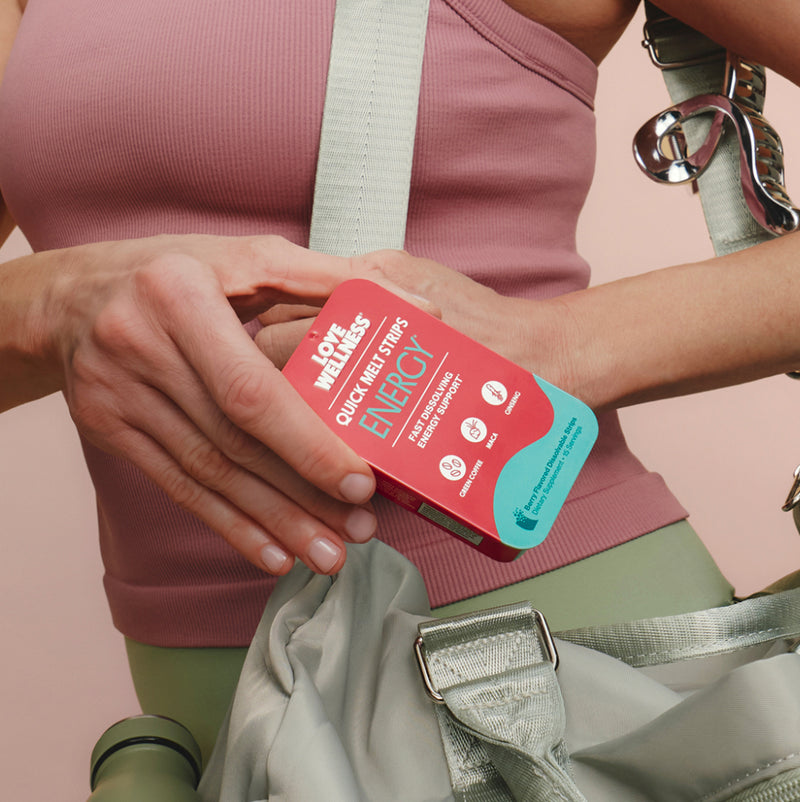
Our CALM* Quick Melt Strips pair L-theanine with passionflower and lemon balm to help ease feelings of day-to-day stress and promote a sense of calm.*
3) Omega-3s
In a four-month trial in middle-aged adults, people who took 2.5 grams of omega-3s a day showed about 19% lower cortisol during a lab stress test than the placebo group. A 1.25-gram dose didn't show that difference. If you rarely eat fatty fish, a supplement can fill the gap.
4) Magnesium
Magnesium is a popular part of a nighttime routine, though direct research on magnesium and cortisol is limited. Our women's guide to magnesium for sleep covers the forms and timing.

If sleep is where you want help, Sleeping Beauty® combines melatonin, magnesium glycinate, lemon balm, and valerian root to help you relax and fall into a restful sleep.*
5) B Vitamins and Vitamin C
Your body uses B vitamins and vitamin C to make energy and hormones, including the ones involved in your stress response. The goal is covering what your diet misses, and a daily multivitamin is a simple way to do that.

Our Daily Love® Multivitamin includes vitamin B6 among its 25+ nutrients, along with organic ashwagandha and chaste tree berry. It offers support for hormone balance, including cortisol and estrogen.* Because it contains ashwagandha, skip it if you‘re pregnant or breastfeeding or have a thyroid or autoimmune condition, and check with your doctor first if you take medication.
You'll also see rhodiola and phosphatidylserine on plenty of cortisol lists. If either one catches your eye, ask your doctor or pharmacist how it fits with anything else you take.
How Long Does It Take to Lower Cortisol?
Slow breathing and time outside can help you feel calmer within the same session, though the effect is temporary.
Changes to your wake time, light exposure, and caffeine timing need a few weeks before you judge them. The supplement studies above ran anywhere between four weeks and four months.
Instead of guessing at your cortisol level, track what you can notice: how fast you fall asleep, whether you wake at 3 a.m., how hard the afternoon crash hits, and whether your cycle feels more regular. Check in on those every week or two.
When to Get Your Cortisol Tested
You don't need a test to start sleeping better or eating more steadily. Talk to your doctor if your symptoms stick around even after a real effort at these changes, or if they're severe or getting worse.
Get checked sooner if you notice any of these:
-
Weight changes you can't explain
-
Very high blood pressure
-
Muscle weakness, especially in your arms or thighs
-
Bruising easily
-
Missed periods for several months
Cortisol can be measured with a blood test (usually in the morning), a saliva test (often late at night), or a 24-hour urine collection. Timing matters because your levels shift through the day. At-home kits exist, but your doctor should read the results and decide next steps.
The Bottom Line
Start with the habits that cost nothing: the same wake-up time every day, daylight soon after you get up, protein at breakfast, and a coffee cutoff by lunchtime. Add a walk outside and a few rounds of box breathing, and give it a few weeks.
If you're reading up on supplements, start with ashwagandha, L-theanine, and omega-3s. For extra support alongside your daily habits, our cortisol collection can be part of your routine.* If your sleep, energy, or cycle still feel off after those few weeks, ask your doctor about testing.
Stress shows up differently at every stage of life. Better sleep, steadier meals, and a little more calm in your day can help you feel your best through each one.
*