











Some nights, sleep comes easily. Other nights, especially around your period, it feels like your body has forgotten how to rest. This is because hormonal shifts throughout the menstrual cycle can influence body temperature and circadian rhythms, often making it more challenging to get a good night's rest.
When you add in PMS symptoms like cramps and bloating, it's easy to see why sleep quality takes a hit during this time of the month. The good news? Period insomnia is manageable with the right habits, a supportive sleep environment, and gentle products.
In this article by Love Wellness, we take a closer look at the causes of period insomnia and explain how to improve your sleep quality during your menstrual cycle.
Why Can't I Sleep On My Period?
Hormonal changes are the main culprits for the sleep disturbances during your menstrual cycle. These shifts affect your body in the following ways:
-
Increased body temperature: Progesterone raises core body temperature, which can interfere with deep sleep and REM sleep.
-
Mood swings and anxiety: Hormone shifts can affect neurotransmitters involved in relaxation and circadian rhythms.
-
Physical discomfort: Menstrual cramps, breast tenderness, bloating, and night sweats can make staying asleep difficult.
-
Changes in sleep stages: Research suggests that most women experience lighter sleep during the premenstrual phase.
For some women, these sleep disturbances are mild. For others, especially those with premenstrual syndrome (PMS) or premenstrual dysphoric disorder (PMDD), poor sleep quality can have a significant impact on daily life.
10 Tips to Sleep Better During Your Period
When you're on your period, you need to pay closer attention to sleep hygiene, habits, and routine to get decent rest. Here are ten gentle and effective tips:
1. Stick to a consistent sleep schedule
Going to bed and waking up at the same time supports your natural body clock, even when hormones are fluctuating. A steady schedule helps regulate circadian rhythms and makes it easier to fall asleep during your period.
2. Create a calming bedtime routine
A predictable bedtime routine signals to your nervous system that it’s time to start winding down. Some ideas include light stretching, skincare, journaling, reading, or deep breathing exercises. Avoid stimulating activities that make it difficult to fall asleep, especially late at night.
3. Lower your sleep environment temperature
Because body temperature naturally rises during the luteal phase, a cooler bedroom can help counteract the effect. Get a good rest in a cool, dark, quiet space that supports deeper REM sleep.
4. Limit screen time before bed
Blue light from phones, laptops, and tablets can interfere with melatonin production and delay sleep onset. Reducing screen time an hour before bed may improve sleep duration and help you fall asleep faster.
If you struggle to fall asleep without your phone, try to replace scrolling with reading and lower the brightness significantly.
5. Use heat strategically
Heat can be incredibly helpful for dealing with menstrual cramps and physical discomfort. A warm shower or heating pad before bed can relax muscles and make it easier to drift off to sleep.
6. Relax with breathing techniques and muscle release
Progressive muscle relaxation and deep breathing calm the nervous system and can help reduce sleep troubles caused by stress or irritability. These techniques are commonly recommended in cognitive behavioral therapy for insomnia, including period insomnia.
7. Be mindful of food and drink timing
Heavy meals, caffeine, sugar, or alcohol close to bedtime can disrupt sleep and worsen PMS symptoms. Eating earlier in the evening and focusing on balanced meals may help improve sleep quality. Proper hydration is also essential for good sleep hygiene.
8. Consider gentle sleep support
Some women find relief through melatonin supplements or magnesium, which can promote relaxation and improve sleep onset.
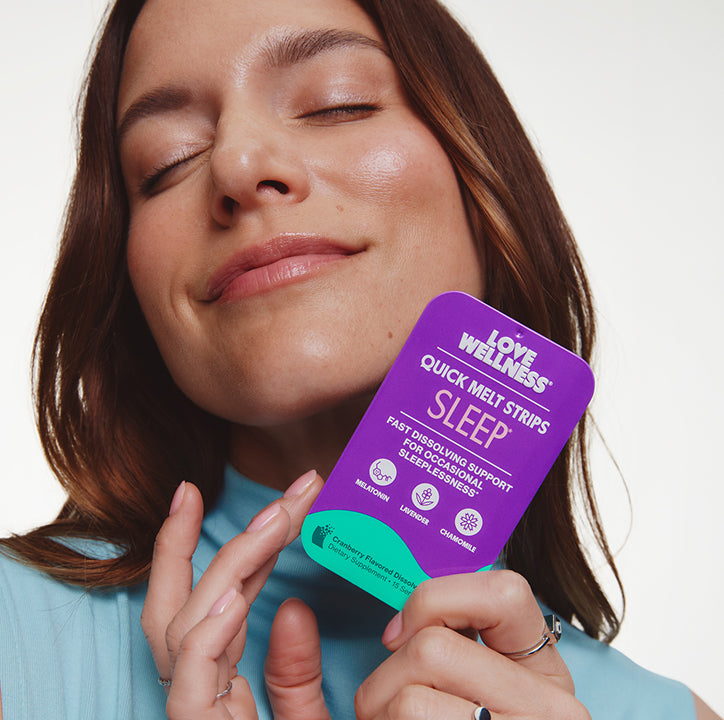
Not sure where to start? Our Sleeping Beauty supplements are formulated to improve sleep without next-day grogginess, while Cycle Soothe supports your body throughout all four phases of your cycle.
9. Use sleep positioning to reduce period-related discomfort
Your sleep position can make a big difference during your period. Sleeping on your side with a pillow between your knees or on your back with a pillow under your knees can help reduce pelvic pressure and lower-back strain, making it easier to stay asleep through the night.
10. Know when to talk to a professional
If you consistently can't sleep on period, or experience severe mood swings or symptoms consistent with PMDD, you should speak to your healthcare provider. Professionals can help assess hormone levels, PMS symptoms, and sleep disorders, as well as determine whether hormonal contraceptives or CBT-I might be appropriate.
Understanding How Hormonal Shifts Affect Sleep Quality
Hormone levels naturally rise and fall throughout the menstrual cycle, and each phase can affect sleep patterns differently:
-
Early Follicular Phase (period + just after): Sleep may feel lighter due to cramps, bleeding, or discomfort. However, body temperature is lower, which can make it easier to fall asleep once pain is managed.
-
Late Follicular Phase (leading up to ovulation): Estrogen rises, often supporting better sleep quality, improved mood, and more stable sleep cycles. Many women report deeper, more restorative sleep during this phase.
-
Ovulation Phase: Sleep is typically at its most stable. Estrogen peaks and progesterone begins to rise, which may increase sleep duration and improve overall sleep patterns for some women.
-
Early Luteal Phase: Progesterone increases, which can promote sleepiness. However, body temperature also begins to rise, which may cause night awakenings.
-
Late Luteal Phase (pre-period): Estrogen and progesterone drop sharply. This shift is commonly linked to sleep disturbances, reduced REM sleep, night sweats, and difficulty falling or staying asleep.
Being aware of these menstrual cycle effects can make sleep issues feel less alarming and more manageable. Try tracking your sleep quality alongside your period to better understand how your hormones influence your rest.
FAQs
Why do I have trouble falling asleep during my period?
Hormonal changes, increased body temperature, and menstrual cramps can all disrupt your sleep.
Does the color of my period blood have anything to do with hormones or sleep?
Period blood color can offer insight into hormone levels, flow patterns, and how efficiently the uterus is shedding its lining. While it doesn’t directly cause sleep problems, irregularities in flow or color may signal hormonal imbalances that also affect sleep quality
Can PMS really affect your sleep quality?
Yes. Common PMS symptoms like mood swings, bloating, and breast tenderness can interfere with both falling and staying asleep.
Does melatonin help with period insomnia?
Melatonin supplements can help regulate your sleep cycle, especially when hormonal shifts are to blame for disrupting your circadian rhythm.
Can digestion changes during my period affect my sleep?
Yes. Hormonal fluctuations during the menstrual cycle can affect digestion, leading to changes in bowel movements, bloating, or abdominal discomfort (sometimes called "period poop"). These digestive shifts can increase nighttime discomfort and make it harder to stay asleep.
Is PMDD linked to sleep problems?
Premenstrual dysphoric disorder (PMDD) is often associated with severe sleep disturbances, mood swings, and difficulty functioning before menstruation.
Final Thoughts
Hormonal fluctuations, physical discomfort, and changes in sleep architecture all play a role in how well you sleep through the night. Understanding the reasons behind your monthly sleep disturbances is the first step to getting better, more restorative rest.
Focus on supporting your body with consistent sleeping habits, a calming environment, and targeted care. For more expert-backed guidance, check out the Love Wellness blog or browse our supplements designed for better mood, sleep, and overall balance.
*
