





Bloating is one of those things almost every woman deals with at some point, and it's often dismissed as just "something that happens." But that uncomfortable, puffy, tight-waistband feeling isn't something you have to just live with.
The truth is, bloating usually has a reason behind it. And for women especially, those reasons often tie back to a few specific things: your hormones, your gut microbiome, and your daily habits. When you understand why bloating is happening, it's a lot easier to find relief that actually works (and to keep it from coming back).
This guide covers what tends to cause bloating, what you can do today to feel better, and the longer-term habits that help your gut stay happy over time.
What Causes Bloating in Women
Bloating shows up for lots of reasons, but a few causes tend to be especially common for women.
Hormonal fluctuations
Your hormones shift throughout your cycle, and those shifts can directly affect how your body holds onto water and processes food. Many women notice more bloating in the days before their period, and hormonal changes during perimenopause and menopause can contribute too.
Gut microbiome imbalance
Your gut is home to trillions of bacteria that help you digest food and keep things moving. When that balance gets thrown off, gas and bloating are often the first signs something's not quite right.
Food sensitivities
Foods high in FODMAPs (fermentable carbs), dairy for those who are lactose sensitive, and gluten for those with sensitivities can all contribute to bloating. The tricky part is that reactions aren't always immediate, which can make it hard to pinpoint the trigger.
Stress and cortisol
When you're stressed, your body redirects energy away from digestion. Chronic stress can slow things down in your gut and contribute to bloating over time.
Swallowing air
Eating too fast, drinking carbonated beverages, chewing gum, and even talking while you eat can all let extra air into your digestive system, which has to come out somewhere.
Constipation
When things aren't moving through regularly, bloating is usually one of the first things you'll feel.
How to Debloat Fast: 8 Things That Work Today
When you're bloated right now and want to feel better soon, these approaches tend to help most women get quick relief.
1. Hydrate (and add electrolytes if you can)
It sounds counterintuitive, but drinking more water can actually help reduce bloating caused by water retention. Your body holds onto water when it thinks it's not getting enough, so giving it a steady supply tells it to let go of the extra. Adding electrolytes can help rebalance things if your sodium intake has been high.
2. Move your body
A 15-20 minute walk after a meal can do wonders for trapped gas and sluggish digestion. You don't need an intense workout. Gentle movement is often more effective for bloating than anything strenuous. Yoga poses that involve twisting or gentle abdominal pressure can also help.
3. Sip a soothing tea
Ginger, peppermint, and fennel teas have all been used traditionally to ease digestive discomfort. A warm cup after a meal is a simple, gentle way to help your body settle.
4. Try a gentle abdominal massage
Massaging your belly in a clockwise direction (following the path of your large intestine) can help move things along. Start at your lower right abdomen, move up toward your ribs, across, and down the left side. Keep the pressure light and stop if anything feels uncomfortable.
5. Take a digestive enzyme
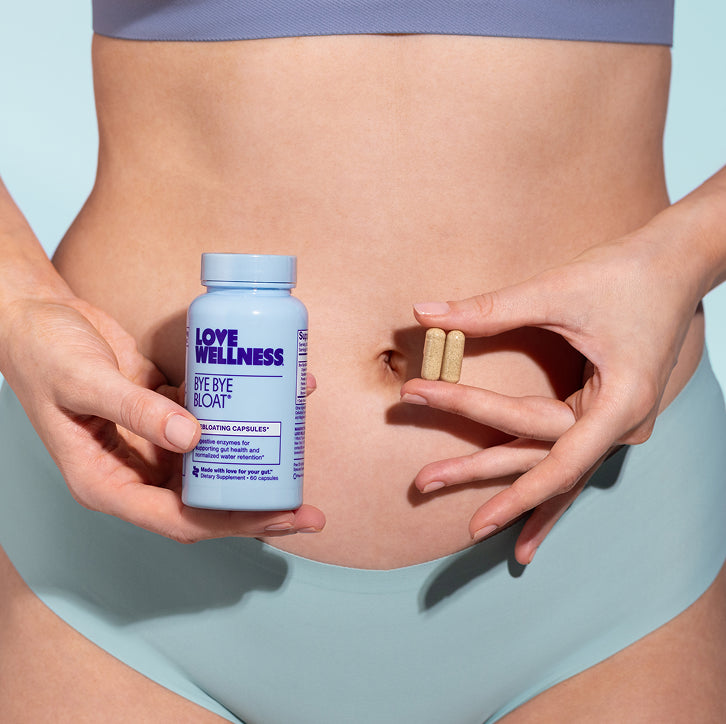
Digestive enzymes can help your body break down food more efficiently, which may reduce the gas and bloating that sometimes come with slower digestion. Our Bye Bye Bloat anti bloating pills are formulated with digestive enzymes and herbs like dandelion root, fenugreek, and organic fennel to support digestive comfort and help with occasional water retention.
6. Cut back on sodium for the rest of the day
High-sodium foods cause your body to hold onto water, which shows up as bloating. If you've had a salty meal, ease off the added salt for the rest of the day and focus on water-rich foods.
7. Try deep breathing
A few minutes of slow, deep breathing can help activate your parasympathetic nervous system, which is the part of your body that handles digestion. It's a simple reset that costs nothing and takes five minutes.
8. Consider magnesium
Magnesium plays a role in muscle function, including the muscles that keep things moving through your digestive tract. Many women don't get enough of it through food alone, and a magnesium supplement can be helpful for some people.
Foods That Reduce Bloating
Some foods naturally work with your digestion and can help you feel less bloated over time.
Cucumber and water-rich vegetables. Their high water content supports hydration and gentle digestion.
Ginger. A well-known digestive soother that you can add to teas, smoothies, or meals.
Yogurt and kefir. These fermented foods contain live cultures that support your gut microbiome.
Bananas. High in potassium, which helps balance sodium levels and reduce water retention.
Leafy greens. Magnesium and fiber in one, plus they're light on the stomach compared to heavier vegetables.
Pineapple and papaya. Both contain natural enzymes (bromelain and papain) that support digestion.
Fennel. Whether you eat the bulb or sip the tea, fennel has been used traditionally to ease bloating.
Avocado. High in potassium and healthy fats that can help meals feel satisfying without the heaviness.
Foods That Cause Bloating
On the flip side, some foods are more likely to contribute to bloating. Not everyone reacts to all of these, but if you're dealing with recurring bloating, these are worth paying attention to:
-
High-FODMAP foods like onions, garlic, and certain fruits (for some people)
-
Carbonated drinks that send extra air straight into your digestive system
-
Artificial sweeteners like sorbitol and xylitol, which aren't absorbed well
-
Cruciferous vegetables in large amounts (broccoli, cauliflower, Brussels sprouts)
-
Dairy if you're sensitive to lactose
-
Ultra-processed foods that often combine high sodium, additives, and poor-quality ingredients
-
Beans and legumes when they haven't been soaked or prepared properly
If you want to go deeper, read our guide on foods that are hard to digest.
How to Stop Bloating Long-Term: The Gut Health Angle
Quick fixes have their place, but if bloating is a regular visitor, the long-term answer usually comes down to supporting your gut health consistently.
Probiotics. A daily probiotic can help support a balanced gut microbiome, which may help with digestion and regularity over time. Our probiotics for bloating, Gut Feelings, is a pre-, pro-, and postbiotic formula made to support overall gut health.
Fiber. Fiber keeps things moving, but the key is increasing your intake gradually. Too much too fast can actually cause bloating. If you're not getting enough through food, a gentle fiber supplement like Sparkle Fiber can help.
Digestive enzymes. These can help break down food more efficiently, which is especially helpful if you notice bloating after larger or richer meals. Not sure if you need probiotics, enzymes, or both? Our guide on digestive enzymes vs. probiotics breaks down the difference.
Mindful eating habits. Eating slowly, chewing thoroughly, and not rushing meals are some of the most underrated things you can do for your gut. Your digestion starts in your mouth, and giving it time to work makes everything downstream easier.
If you want to explore the full range of options, our gut health supplements collection has everything we offer for digestive support.
Bloating by Cause
Because bloating can come from different places, the right approach sometimes depends on what's actually behind it.
Period bloating
Bloating in the days leading up to and during your period is incredibly common, and it's usually driven by hormonal shifts and water retention. For a deeper look at what's happening and what can help, our guide on how to reduce bloating during period covers it in detail.
Hormonal bloating
Hormonal fluctuations outside of your cycle, like during perimenopause, menopause, or when starting or stopping birth control, can also contribute to bloating. Nutrition can play a meaningful role here. Our post on foods that support hormone health goes into what to eat and why.
Gut or digestive bloating
If your bloating is more about what you're eating than where you are in your cycle, the solution usually starts with identifying triggers. Keeping a simple food journal for a couple of weeks can help you notice patterns, and adjusting your diet based on what you find is often the most effective move.
When Bloating Might Be a Sign of Something More
Occasional bloating is completely normal. But if bloating is persistent, severe, or comes with other symptoms, it's worth checking in with a healthcare provider.
Some signs that warrant a professional conversation:
-
Bloating that doesn't go away after a few days
-
Significant pain alongside the bloating
-
Unexplained weight loss
-
Changes in your bowel habits that don't resolve
-
Blood in your stool
-
Bloating that interferes with daily life
Conditions like IBS, SIBO, celiac disease, and food intolerances can all present with bloating, and they're worth ruling out if things aren't improving with the approaches above. A healthcare provider can help you figure out what's actually going on and recommend a path forward that's right for you.
Feel Good in Your Body, Every Day
Bloating is uncomfortable, but it's also manageable. Between understanding what's causing it, knowing what helps in the moment, and building gut-supportive habits over time, you have plenty of tools to feel more like yourself.
The goal isn't a flat stomach on command. It's a body that feels good, digests well, and doesn't leave you uncomfortable after every meal. Small, consistent choices are what get you there.
FAQs
How do I debloat in 24 hours?
The fastest approach is usually a combination of hydration, gentle movement, and cutting back on high-sodium or trigger foods for the day. Sipping warm tea (ginger, peppermint, or fennel), taking a 15-20 minute walk, and eating lighter, water-rich foods can all help. A digestive enzyme after meals may also help if your bloating tends to come on after eating.
Why am I bloated every day?
Daily bloating usually points to something consistent in your diet, routine, or gut health. Common culprits include food sensitivities, an imbalanced gut microbiome, chronic stress, not enough fiber or water, and certain medications. If daily bloating has been going on for a while, it's worth paying attention to patterns and checking in with a healthcare provider if adjusting your habits doesn't help.
Do debloat pills work?
It depends on the formula and what's causing your bloating. Supplements that combine digestive enzymes, herbs like ginger or fennel, and gentle diuretic ingredients like dandelion root can support digestive comfort for some people. Our Bye Bye Bloat is formulated with these kinds of ingredients and is one option worth considering if you're looking for occasional support.
What's the difference between bloating and weight gain?
Bloating is temporary and usually driven by gas, water retention, or digestion. It comes and goes, often within a day. Weight gain is more gradual and persistent. If your stomach feels tight and uncomfortable one day and flatter the next, that's bloating. If the change is steady over weeks or months, that's more likely weight gain.
*
