




We've all had a sweaty vagina situation at some point, and it's about time we talked about it. Whether it's after a heart-pumping workout, spending too much time outside on a hot day, or a particularly stressful Tuesday, sweating down there is totally normal. But when the moisture sticks around too long, it can start to cause problems for your vaginal health.
The good news is, there's plenty you can do to stay ahead of it and keep your vaginal health in check.
Why Vaginas Sweat
Your vulva has a high concentration of sweat glands in the labia majora ("outer lips"), similar to the ones found in your armpits. Sweating is a 100% normal bodily function that helps regulate temperature by releasing moisture when things heat up. So a little sweat down there isn't just normal, it's your body working exactly as it should.
There are several causes of vaginal sweating, some of which include:
-
Exercise and physical activity: Running, cycling, hot yoga, heavy lifting; anything that raises your core temperature will activate sweat glands across your entire body, including your groin area. The more intense the workouts, the more sweat you can expect.
-
Hot and humid weather: High temperatures and humidity make it difficult for your body to cool itself through evaporation, so you sweat more to compensate. The vaginal area is especially prone because it traps heat.
-
Tight clothing/synthetic materials: Clothes and underwear made from nylon, polyester, or elastane don't breathe well. They trap heat against the skin and create a warm, damp environment that makes everything downstairs worse.
-
Crossed legs and sitting too long: Sitting with your legs crossed or staying in the same position for long periods reduces airflow and builds heat in the pelvic area. This triggers the sweat glands even when you're not moving much.
-
Pubic hair: A thicker bush can hold moisture longer and slow down evaporation. It's not a problem in itself, but it does mean sweat and bacteria linger a little longer in the vaginal area than they otherwise would.
Lifestyle triggers aside, there are also a few physiological reasons why some women experience excessive sweating down there more than others:
-
Hormonal changes: Estrogen helps the hypothalamus regulate body temperature. When estrogen drops (during perimenopause, menopause, postpartum, and stages of your menstrual cycle), your body's "internal thermostat" goes out of sync, causing hot flashes, night sweats, and overall clamminess in general.
-
Anxiety and stress: When cortisol ("the stress hormone") spikes, so do your nervous system and apocrine sweat glands. "Stress sweat" is real and tends to hit in high-pressure or emotional moments regardless of temperature.
-
Hyperhidrosis: Involves excessive sweating for no obvious reason. It affects a meaningful portion of the population and can cause the groin and other areas of the body to sweat more often.
-
Vaginal infections: Bacterial vaginosis (BV) and yeast infections can increase vaginal discharge and moisture in the area. It's best to see a healthcare provider if your vagina feels sweaty alongside odor, itching, or pain.
The most important thing most people miss is that excess sweat in the private areas can actually disrupt vaginal pH. When your vagina and vulva stay damp for too long, moist environments can disrupt the balance of Lactobacillus bacteria (the vagina's natural protective microbiome). When vaginal pH levels rise above 4.5, it may contribute to unwanted odor, irritation, and discomfort.
Ways to Manage a Sweaty Vagina
You can't stop your body from sweating, but you can manage how much moisture accumulates, how long it stays, and what it does to your vaginal area while it's there.
Have a sweaty vagina? Here's what you can do to help it:
Avoid tight clothing
Ditch tight clothes wherever possible. Synthetic fabrics trap heat and reduce airflow around the vulva. On hot days or heavy gym sessions, looser options (like wide-leg yoga pants and linen shorts) make a real difference.
Opt for cotton underwear
Cotton is your best friend down there. It's breathable, moisture-absorbing, and lets air flow freely. For everyday wear, 100% cotton, breathable underwear is the gold standard.
Change out of damp clothing quickly
If you're working out, moisture-wicking fabrics are designed to keep sweat away from the skin. Just make sure you change out of sweaty clothes as soon as your workout is done.
Change pads and panty liners often
When it's that time of the month, make sure to change panty liners every few hours. Most pads and liners are made from non-breathable materials that trap heat and moisture against the vulva. The longer a damp liner is used, the more it raises your vaginal area's temperature, which could lead to sweating and/or irritation.
Consider hair removal
Pubic hair isn't a problem, but if you find that excess moisture is a consistent issue, the mix of sweat and bacteria can be the reason behind unpleasant smells. Trimming a little can help sweat evaporate more easily. Waxing and laser treatments are also options.
Follow a good hygiene routine
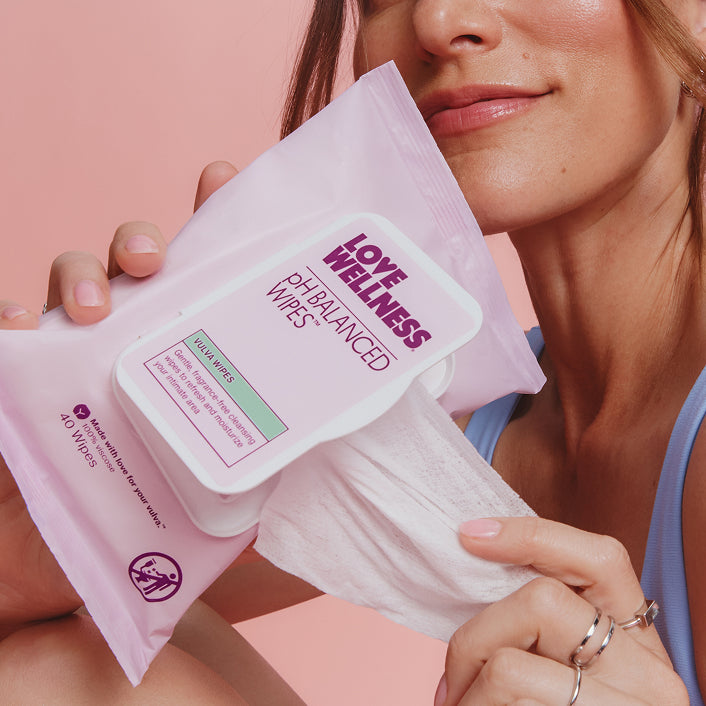
A good health routine keeps vaginal and body odor at bay. Douching isn't recommended, as it can seriously disrupt the natural balance downstairs. Since your vagina is self-cleaning, warm water and a gentle, pH-balanced cleanser are enough. Our pH-Balanced Wipes™ are super handy and pop right into your handbag, perfect for freshening up at the gym or between errands.
Support your vagina from the inside out
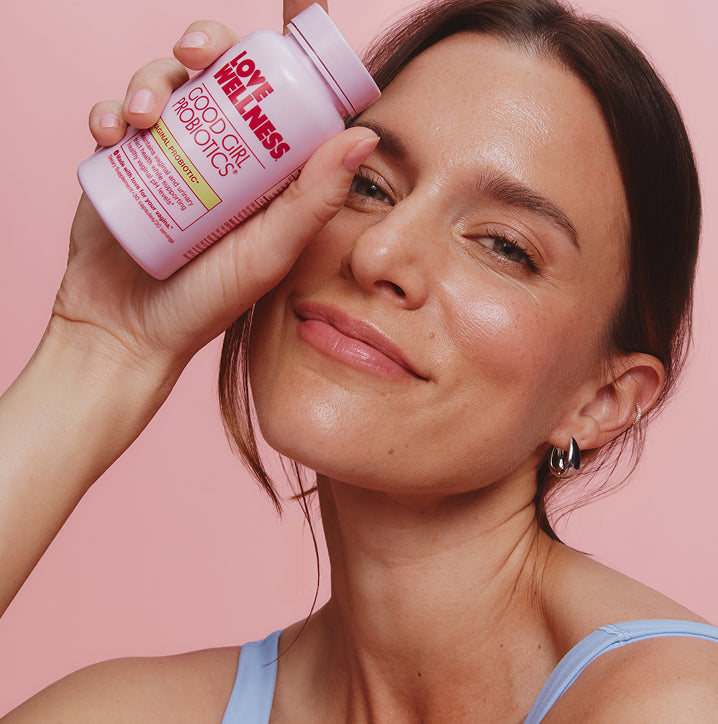
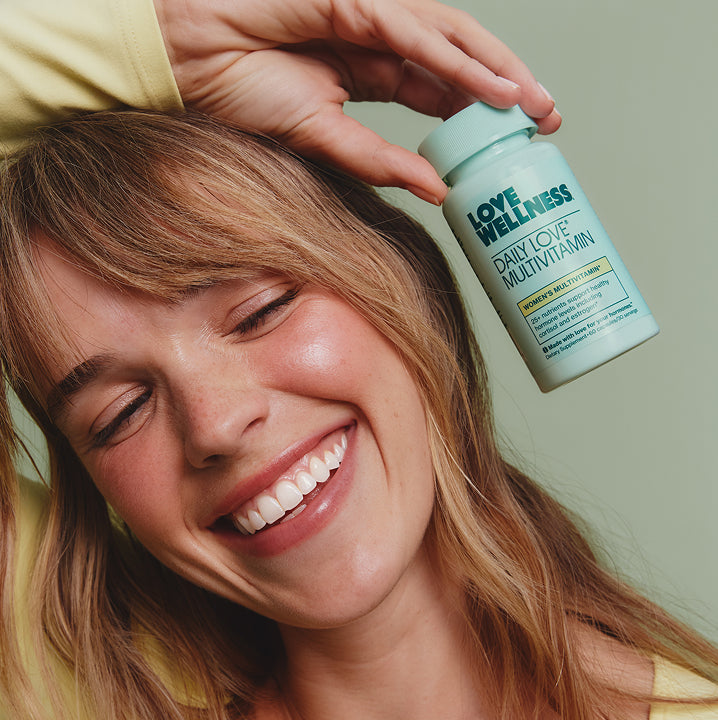
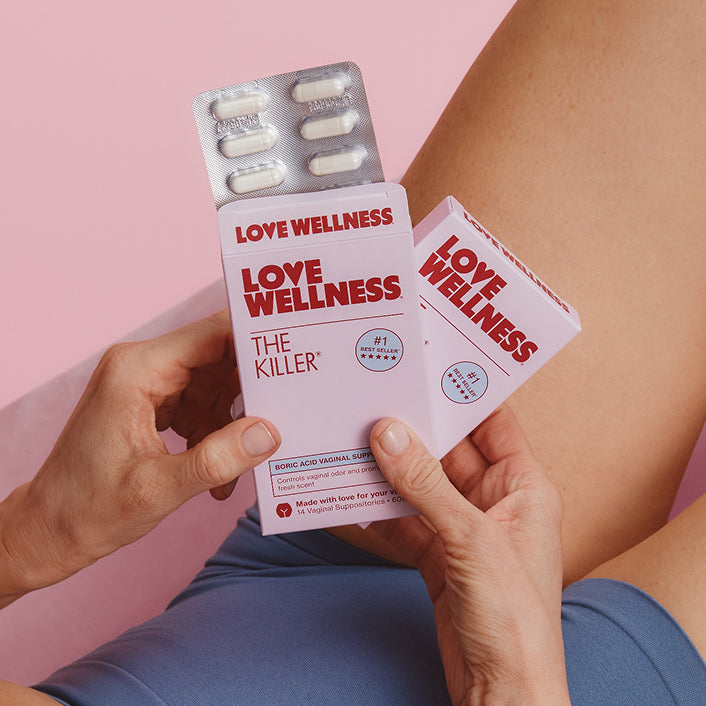
Since excess sweat and moisture put your vaginal microbiome under pressure, giving it consistent support is one of the smartest things to do. Our Good Girl Probiotics® help support healthy pH and good bacteria levels, and our Healthy V® Vitamin is formulated to support overall vaginal health.
Sweat Happens, But You Don't Have to Suffer Through It
Being sweaty is completely normal from time to time. But consistent damp conditions can throw off your vaginal microbiome and/or point to deeper underlying health issues like hyperhidrosis or an infection.
The best way to prevent a sweaty vagina is by opting for breathable fabrics, following a consistent feminine hygiene routine, and supporting your vaginal health with Love Wellness's probiotics and vitamins.
If the excessive sweating just won't let up, and especially if it comes paired with itching or a fishy smell, those are signs worth checking out with your doctor.
FAQs
Is sweating in your vaginal area normal?
Absolutely! The labia majora (the outer lips of the vulva) contain sweat glands, whose job is to regulate body temperature. Sweating in the groin area during hot weather or exercise is totally normal. It's just biology at work.
How do I stop genital sweat?
People sweat, so you can't fully stop your body (or vagina) from sweating. What you can do is reduce how much moisture accumulates and how long it sticks around. Using cotton underwear, changing out of wet clothes, and avoiding non-breathable panty liners all help reduce genital sweat significantly.
How do I get rid of sweaty vaginal odor?
A mild vaginal odor after sweating is normal. Cleaning the vulva with warm water and a pH-balanced cleanser is enough to get rid of mild smells for most women. If the odor is strong and/or accompanied by discomfort and discharge, it could be a sign of a vaginal infection and should be checked out by a doctor.
Does your vagina sweat during your period?
Not necessarily, but hormonal changes during your menstrual cycle can contribute to it. Estrogen levels fluctuate throughout your period, which can make body temperature less stable, leading to more sweating.
*
