











Vaginal odor is one of the most Googled health concerns that women have. But it's also one of the least talked about out loud. The good news is that having a scent is not a sign that something is wrong with your vaginal health.
Every vagina has a natural scent which can change depending on where you are in your menstrual cycle, what you eat, how active you've been, and other factors. However, what matters is knowing the difference between normal vaginal odors and the ones you may need to pay more attention to.
Is It Normal for Your Vagina to Have a Smell?
Yes, and having no smell at all would actually be unusual. According to Cleveland Clinic, all vaginas naturally produce scents. Your vagina is a self-regulating ecosystem, and a mild odor is just part of how it functions.
A healthy vagina smells mild and musky. It may even smell slightly tangy. That faint acidic quality comes from lactic acid produced by beneficial bacteria. The scent can change from day to day and still be considered a normal vaginal odor.
Why scent changes throughout your cycle
Hormonal changes across your menstrual cycle can affect your vaginal pH and the amount of vaginal discharge you produce, including your vaginal odor.
Around ovulation, you may notice your vagina has a slightly different smell than it does right before your period. Sweat glands around your groin are also more active during exercise and in warmer temperatures, which can create a strong vaginal odor.
Vaginal pH and healthy bacteria
Your vagina is at its healthiest when its pH sits between 3.8 and 4.5. It's slightly acidic, which is what keeps any harmful bacteria in check. This balance is maintained mainly by the lactobacillus bacteria.
When your vaginal flora is disrupted, the first thing that changes is the smell. Supporting this balance of good bacteria (if there are no other symptoms) can be as simple as adding a daily probiotic made for vaginal health to your routine.
Common Causes of Vaginal Odor
Not every change in your vagina's smell means there's a problem. There are actually several everyday causes that can change the scent without any underlying infection or imbalance, and they're totally normal.
Sweat and lifestyle
Tight synthetic clothing can trap heat and moisture against your skin. So, wearing sweaty clothes for long periods can create conditions where your sweat glands produce a stronger smell.
After a workout, your groin area can hold onto that smell for longer than other parts of your body. That's why loose, breathable fabrics are best. You should also try to change out of your gym clothes as quickly as you can, since letting that moisture sit only makes things worse.
Period blood and discharge
A more metallic vaginal odor during your period is normal. Because it contains iron, blood usually has a distinct metallic smell, and that smell is much more noticeable on heavier flow days.
Your discharge also has a certain smell, and it may smell slightly tangy. There's usually no reason to worry about it, unless you have other concerning symptoms.
Diet and hydration
Strong-smelling foods like garlic, onions, coffee, and alcohol can pass certain compounds into your bodily fluids, including your vaginal discharge. You can dilute these compounds with enough water, as staying properly hydrated can help support a more neutral smell overall.
There are many vaginal odors, and they all vary from person to person. What matters is knowing what your body's "normal" smell is.
Abnormal Vaginal Odors and What They Mean
Some vaginal smells may be different from others and may be a sign of a condition that needs attention. Being able to recognize these smells can lead to faster treatment.
Fishy odor
A persistent fishy smell is the most common symptom of bacterial vaginosis (BV).
BV develops when the balance of your vaginal flora has been taken over by an overgrowth of harmful bacteria. This lowers the proportion of lactobacillus.
It's the most common cause of abnormal vaginal odor in women, and it's treatable with antibiotics from a healthcare provider.
Yeasty smell
A yeast infection typically creates a slightly sweet, bread-like smell. It may also smell fermented. This doesn't happen on its own, though, and you'll usually notice abnormal vaginal discharge as well.
Your discharge may be thick and white, sometimes resembling cottage cheese, and you may have intense vaginal itching.
The good news is that a good antifungal treatment can clear it up quickly.
Strong or rotten smells
Having foul-smelling discharge with a strong, rotten quality to it may mean you're dealing with a more serious bacterial infection. Although it's less likely, it could also be the result of a forgotten tampon.
If you're experiencing an incredibly unpleasant vaginal odor, it's best to seek out medical attention as quickly as possible.
Sweet or chemical smells
A sweet or slightly chemical vaginal odor is usually because of a pH imbalance or other dietary factors. On rare occasions, a very sweet smell is caused by elevated blood sugar levels, especially in women with diabetes.
If this smell is new or constant, it's best to see your healthcare provider.
Other symptoms to watch for
Any unpleasant odor accompanied by other symptoms is typically a sign to get checked out by your doctor. Watch for symptoms like:
-
Vaginal irritation
-
Burning when you pee
-
Itching
-
Unusual vaginal discharge (gray, green, frothy, or unusually heavy)
These symptoms may be an indication of a vaginal infection (bacterial or a sexually transmitted infection) or other conditions that require a diagnosis to treat.
Your Ideal Hygiene Routine
If you notice your vagina has a smell and it isn't too alarming or coupled with other symptoms, then you can make some simple changes to get rid of it.
Firstly, make sure you're washing the outside of your vagina with warm water and a gentle, pH-balanced cleanser. You should avoid scented soaps or applying anything to the inside of your vagina, as this can make things worse.
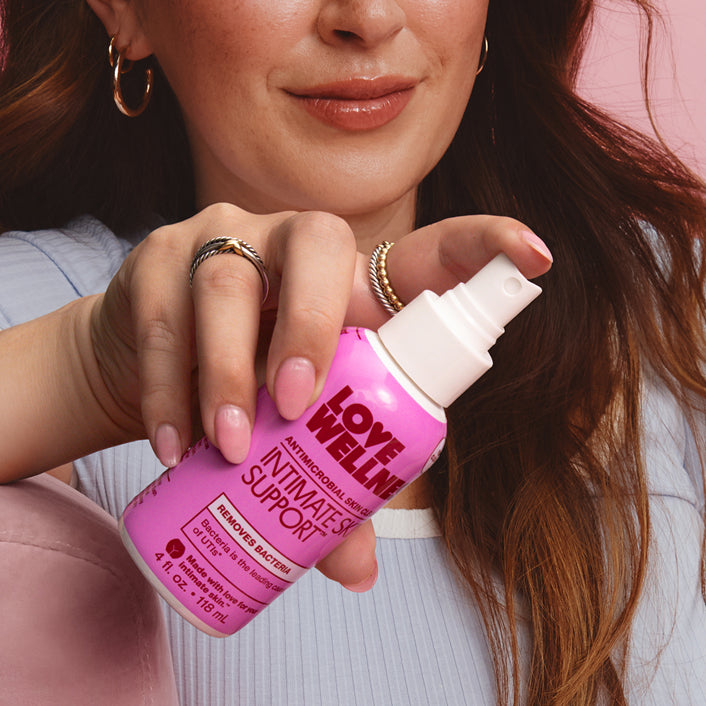
For day-to-day freshness, you can use products like the Intimate Skin Freshness Duo that don't change your pH. And if you need something portable, vaginal wipes are an amazing (and practical) option for staying fresh on the go.
Preventing Vaginal Odor Long-Term
Prevention usually comes down to consistency, not complicated routines. Remember, most vaginal odors are normal and manageable, but building daily habits that support a healthy vagina (and healthy vaginal flora) can keep everything feeling fresh.
It's important to keep in mind that your vagina isn't supposed to smell like nothing. Pairing daily habits with targeted support, like our Good Girl Probiotics® for gut and vaginal microbiome support and our Healthy V® Vitamins for overall vaginal wellness, can help you feel your best every day.
FAQs
Why does my vagina smell after sex?
Sexual intercourse may introduce semen into your vaginal microbiome. Because semen is alkaline, it can temporarily change your pH and your overall smell, but it should fade within a few hours.
Is it normal for my vagina to have no smell at all?
Sometimes, your vagina might have a scent that's so mild you basically can't smell anything. Still, having a lighter or more subtle scent is more common than having no smell at all. If you don't have a smell, but you still struggle with other symptoms like vaginal irritation, it may be due to your hygiene routine.
How quickly should strong vaginal odors go away after treatment?
Bacterial vaginosis (BV) and yeast infections can start to improve within two to three days of starting the right treatment. Plus, they typically resolve completely within a week. If your vagina still has a strong smell after you've completed your treatment, it's best to follow up with your doctor.
*
