






Many people shave or wax pubic hair without giving much thought to why it grows there in the first place. Taking the time to understand its role can help you make informed grooming choices that truly work for your comfort and confidence. Paired with Love Wellness' Vaginal Health Kits, you can enjoy gentle and supportive care, no matter how you choose to groom.
So what is the purpose of pubic hair? And does it matter whether we remove it or not? In this article, we take a closer look and tell you everything you need to know about your "short and curlies".
What is Pubic Hair?
Pubic hair is the coarse body hair that grows around the genitals, including the mons pubis, labia, and surrounding areas. It typically begins to grow during puberty when hormone levels rise, particularly androgens.
For many people, pubic hair is one of the first visible signs that the body is reaching sexual maturity. Growth patterns, thickness, colour, and distribution vary widely from person to person.
Why Does Pubic Hair Develop During Puberty?
Pubic hair growth happens in stages (often referred to as the "Tanner" stages), which describe physical development during puberty. These stages track the development of hair from light and sparse to thick and coarse over time.
From a biological perspective, the timing is far from random. Pubic hair growth is a response to the hormonal changes that affect sweat glands, skin sensitivity, and reproductive development.
What is the Purpose of Pubic Hair?
While researchers can't point to a single, definitive function, well-supported theories show that pubic hair serves several purposes. Let's break them down.
Protection from friction and irritation
One of the most widely accepted explanations is protection. Pubic hair essentially acts as a physical buffer between sensitive skin and external friction. This can help reduce:
-
Chafing from tight clothing
-
Skin irritation during movement or exercise
-
Friction during sexual intercourse
According to the American College of Obstetricians and Gynecologists (ACOG), pubic hair helps protect delicate genital skin from irritation and micro-injuries that could potentially lead to infection.
Barrier against bacteria and debris
Pubic hair plays a role in trapping dirt, debris, and microorganisms before they reach the vulva or vaginal opening. Similar to eyelashes and nose hair, it acts as a first defense against bacteria.
While pubic hair alone doesn't prevent infections, removing it completely can sometimes lead to vulnerabilities.
Temperature and moisture regulation
Body hair acts as a natural thermoregulator in areas where skin folds and sweat glands are present. Pubic hair can reduce skin-on-skin contact, which may help minimize excess moisture, a factor that can contribute to irritation and odor.
That said, pubic hair can also trap sweat, which is why proper hygiene practices are important regardless of your grooming practices.
Pheremones and scent signalling
Pheremones are chemical signals released by the apocrine sweat glands, which are concentrated in the groin and underarms. These signals can trigger specific social responses, including attraction. Pubic hair may help:
-
Trap pheremones
-
Slow scent evaporation
-
Enhance natural body scent
While modern science doesn't fully understand human pheremones, many researchers believe pubic hair has played a role in sexual signalling long before grooming norms existed.
Is Pubic Hair Hygienic?
Contrary to popular belief, pubic hair is not unhygienic. Cleanliness comes down to your hygiene habits, not your pubic hair grooming preferences.
Whether you keep your pubic hair or remove it, remember that:
-
The vagina cleans itself
-
The vulva should be washed gently with water or fragrance-free products (such as our pH Balanced Cleanser)
-
Douching is unnecessary and discouraged
Removing pubic hair doesn't make the area any "cleaner". In fact, shaving and waxing can sometimes result in an increased risk of infection and irritation.
Why Do So Many People Remove Their Pubic Hair?
Despite serving a range of purposes, pubic hair removal is extremely common. A large U.S. study published in JAMA Dermatology found that over 80% of women report removing some or all of their pubic hair. The reason typically comes down to social norms or personal preference.
Other common motives for removing pubic hair include:
-
Cultural or beauty standards
-
Partner preferences
-
Comfort during sex
-
Increased sexual pleasure
-
Personal choice when it comes to aesthetics
-
Preparation for activities like swimming
There isn't a right or wrong choice, only what feels best for you.
Risks of Pubic Hair Removal
If you choose to remove your pubic hair, you should understand the potential side effects, which may include:
-
Ingrown hairs
-
Razor burn
-
Cuts or microtears
-
Skin irritation or redness
-
Increased risk of infection
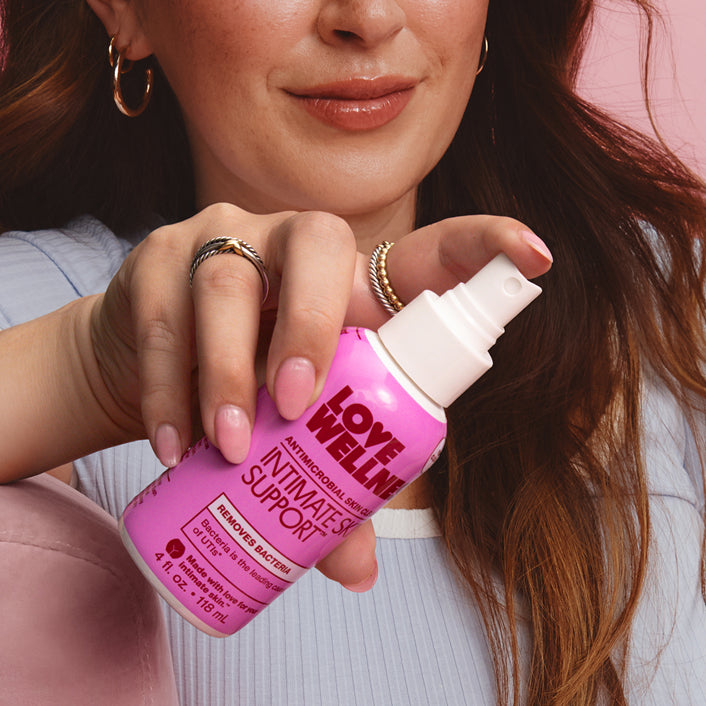
Research shows that minor injuries from grooming are very common, even when people feel confident in their technique. If irritation is an ongoing issue, you may want to explore proper aftercare and products like Intimate Skin Support.
The following resources may also help minimize the risks of hair removal:
Grooming or Going Natural: How to Support Vulvar Health
No matter how you groom (or if you want to go fully natural), your vulvar comfort should always come first.
Shaving tips
If you choose to remove hair by shaving:
-
Use sharp, clean razor blades
-
Shave in the direction of the hair growth
-
Use a moisturizing shaving cream
-
Avoid fragranced products
Waxing tips
If you choose to remove hair by waxing:
-
Go to a professional waxer if you can
-
Test the temperature of the hot wax before applying it
-
Prepare your bikini area by exfoliating
Products like the Skincare for Down There Kit are designed to calm skin and support recovery after hair removal.
Staying natural tips
If you decide to keep your pubic hair:
-
Wash gently with lukewarm water
-
Dry thoroughly after bathing
-
Wear breathable cotton underwear
-
Avoid heavy fragrances
Check out our The Vaginal Health Kit for comprehensive, ongoing support.
FAQs
Does pubic hair affect vaginal odor?
Pubic hair itself doesn't cause odor. However, pubic hair can trap moisture, bacteria, and sweat, which is why gentle cleansing and breathable underwear are important.
Do most people groom their pubic hair?
Yes. Around 80% of women in the U.S. choose to groom their pubic hair. While the practice is very common, style and frequency vary across age groups and other demographics.
Is it unhealthy to shave pubic hair?
Shaving isn't inherently unhealthy, but it can increase the risk of irritation, cuts, and ingrown hairs. Proper technique and aftercare can help minimize the potential side effects.
What are the best pubic hair grooming options?
Some of the best options for grooming the pubic region include waxing, sugaring, trimming, shaving, and hair removal creams. If you're looking for a long-term solution or have excessive pubic hair, you may be interested in laser or electrolysis.
What are some of the most common pubic grooming injuries?
Around one in four people who groom their pubic area have sustained an injury at some point in their grooming journey. Some of the most common injuries include cuts, burns, and rashes.
Final Thoughts
While science doesn't point to a single definitive reason for why we have pubic hair, evidence suggests that it serves several purposes. From protection and friction reduction to scent signalling, pubic hair certainly has its uses.
Whether you choose to groom, trim, or go fully natural, your pubic hair preferences are valid. Remember that your "hair down there" isn't something that needs to be "fixed". What's most important is that you feel comfortable, confident, and cared for.
Here at Love Wellness, we believe that intimate health should be approached with knowledge and understanding, not judgment. Through our in-depth blogs and doctor-backed Vaginal Health products, we offer you unmatched support.
*
