





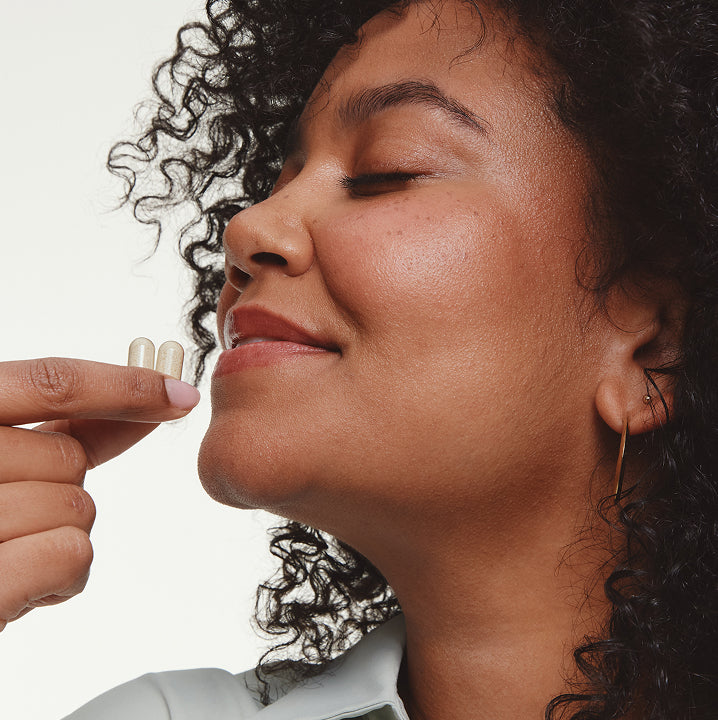









Several dietary supplements can help you improve your gut health and boost your immune system, but probiotics are by far the most popular and effective option for women seeking to introduce beneficial microbes into their digestive tract.
When adding probiotic supplements to your routine, timing matters more than you may realize. The right timing (alongside consistency and supportive habits) will help you achieve the best results and digestive health benefits.
In this article, we take a closer look at the role of probiotics in the body, the impact of timing, and tips for building a consistent schedule.
The Role of Probiotics in the Body
Probiotics are living microorganisms that support the balance of bacteria in your digestive system. There are trillions of bacteria in your gut, and probiotics ensure that the helpful microbes outnumber the harmful ones.
When your gut microbiome is harmonized, you can look forward to the following benefits:
-
A healthy gut: Less bloating, gas, and irregular bowel movements
-
Immune support: A reinforced natural defense system
-
Vaginal health: Balanced pH levels and bacteria
-
Skin health: Through the gut–skin connection
-
Emotional well-being: Via the gut–brain axis and neurotransmitter regulation
For probiotics to be effective, they need to survive the journey through the human upper gastrointestinal tract and reach the gut intact. That's where timing becomes important.
How Timing Impacts Probiotic Effectiveness
Your stomach naturally produces acid to break down food and ward off harmful pathogens. While this process is essential for digestion, stomach acid can also destroy some probiotic strains before they reach the intestines.
What does this mean in terms of timing? Taking probiotics when stomach acid levels are lower may improve bacterial survival. This is why many experts recommend paying just as much attention to when you take your probiotic as you do to the specific strain.
Remember that supplements aren't regulated in the same way as medications, so directions can vary from product to product. Always follow the instructions on the label, as different formulas have different delivery systems.
Best Time to Take Probiotics: Morning or Night?
In most cases, it's best to take probiotics either first thing in the morning or just before bed. Since the stomach is relatively empty at these times, lower acid levels can help more live bacteria reach the gut.
Some people prefer taking probiotics in the morning to build a consistent routine, while others find nighttime easier to remember. While both options can work well, the most important factor is consistency.
If your probiotic label specifies a certain time of day, follow that guidance. Otherwise, choose a time that fits into your daily schedule.
Should You Take Probiotics with Food?
There’s some evidence that taking probiotics shortly before a meal may help buffer stomach acid, especially if the food contains some fat or protein. This can create a slightly more protective environment for probiotic bacteria as they move through the stomach.
With that being said, not all probiotics need to be taken with food. Shelf-stable or enteric-coated formulas are often designed to withstand stomach acid and can be taken on an empty stomach. If you’re unsure, starting with the manufacturer’s instructions is your best bet.
Does Probiotic Type Change the Timing?
Yes, different types of probiotic supplementation come with different timing guidelines. Let's take a closer look at shelf-stable, enteric-coated, and food-based probiotics.
Shelf-Stable Probiotics
Shelf-stable probiotics are formulated to survive without refrigeration and are often more resilient in acidic environments. These can usually be taken with or without food.
Enteric-Coated Capsules
Enteric-coated probiotics are designed to pass through the stomach before dissolving in the intestines. It's recommended to take these formulas on an empty stomach to maximize delivery.
Food-Based Probiotics
Probiotics from fermented foods (like yogurt, kefir, and sauerkraut) are naturally consumed with meals. While beneficial, their bacterial content is less standardized than supplements.
Probiotics for Women: Gut and Vaginal Support
Did you know that women often take probiotics for more than just digestive support? Certain strains help maintain vaginal pH and bacterial balance, which is why probiotic timing and consistency matter.
Products like our Probiotics Kit are designed to support multiple areas of health, including digestion, immunity, and vaginal balance. Love Wellness also offers targeted options within our Vaginal Health collection, as well as supportive bundles like the Vaginal pH Bundle.
Because the gut and vaginal microbiomes are closely connected, consistency is especially important when using probiotics for women’s health. Taking probiotics at the same time each day can help maintain stable bacterial populations, supporting long-term balance rather than short-term relief.
How to Build a Consistent Probiotic Routine
Taking probiotics daily and consistently is often more important than the exact hour you take them. Here's how you can build up an effective routine.
Begin Gradually
If you’re new to probiotics, begin with the recommended dose and give your body time to adjust. Mild bloating or gas can occur as your gut adapts, but this shouldn't be a cause for concern.
Take consistently
Probiotics work best when taken regularly. Choose a time of day you can stick to long-term, whether that’s morning or night.
Store Probiotics Properly
Heat, moisture, and light can reduce probiotic potency. Store supplements according to the label instructions, and only refrigerate if it's required.
Support with Diet
Probiotic-rich foods like yogurt, kimchi, and kefir can complement supplements. You can learn more about dietary support in Love Wellness’s guide to the top probiotic foods.
Lifestyle Habits
Prioritizing sleep and managing stress alongside probiotic use can help create a more supportive environment for beneficial bacteria to thrive.
Signs Your Timing (or Probiotics) May Not Be Working
If you’ve been taking probiotics consistently and don’t notice any changes after several weeks, timing may not be the issue. You might need a different strain or formula altogether.
Common signs that your probiotics (and timing) are working include:
-
Less bloating
-
Regular digestion
-
Comfort after meals
-
Better energy levels
Want more on this topic? Read Signs You May Need Probiotics.
FAQs
What is the best time of day to take probiotics?
Most people benefit from taking probiotics in the morning or just before bed, when stomach acid levels are lower.
Can I take probiotics with coffee?
It's best to have your coffee after taking your probiotic, as hot beverages can reduce bacterial survival rates.
Should probiotics be taken daily?
Yes. Consistent daily use is key to maintaining bacterial balance.
How long before I notice results?
Some people notice changes within just a few days, while others need several weeks before they start seeing results.
Can I take probiotics with other supplements?
In most cases, probiotics can be taken alongside other vitamins and minerals. However, spacing probiotics a few hours away from antibiotics or very hot beverages may help preserve their effectiveness.
Final Thoughts
The ideal time to take probiotics ultimately depends on the type of supplement you're using and your routine. Whether you choose morning, afternoon, or just before bed, consistency matters the most.
When you use high-quality probiotic supplements regularly, you can look forward to improved digestion, immunity, and overall gut health. Here at Love Wellness, our doctor-backed formulas are specifically designed to meet women's needs, ensuring you feel supported, informed, and confident!
If you're still uncertain, learn more about why Love Wellness probiotics are a great choice for women seeking to better their gut and vaginal health.
*
