











You’ve Googled "why am I always tired and have no energy" and been told to drink more water. Meanwhile you’re waking up exhausted after a full night’s sleep, and nobody seems curious about why. Your fatigue is real, and it deserves a better answer than more coffee.
Low energy in women usually follows a pattern. Once you can see that pattern, you can match it to a cause, a test, or a fix.
This guide walks through the cycle-linked, medical, and everyday reasons behind persistent fatigue, then covers where energy support fits once the bigger questions are answered.
Low Energy Comes in Three Forms
Start by naming what you’re feeling, because the word "tired" covers three different states. Sleepiness improves when you sleep. Fatigue hangs around no matter how much you rest. Low motivation feels like mental flatness, where your body could move but nothing in you wants to. Each one points to a different cause list.
Fatigue becomes meaningful when it’s persistent, there when you wake, unimproved by a full night or a weekend of rest, and lasting two weeks or more. That’s the version to check, not a personality trait.
A large US population study found that women report higher fatigue than men. Cyclical hormone shifts and a heavier share of caregiving are two documented reasons why. You’re not imagining it.
How Energy Shifts Across the Menstrual Cycle
If you menstruate, your energy levels are not a flat line. Estrogen and progesterone rise and fall across the menstrual cycle, and energy moves with them. So "I’m always tired" often means "I’m predictably tired at certain points and haven’t mapped it yet."
Track your energy against your cycle day for two to three cycles before assuming a chronic cause. The patterns below are what you’re looking for.
Luteal Phase and Premenstrual Fatigue
In the luteal phase, roughly two weeks before your period, progesterone rises and your core body temperature climbs with it. One sleep-lab study measured a rise of about 0.27°C, with your body’s usual nighttime heat release suppressed during the first hours of sleep. That’s the mechanism behind "I can’t get comfortable the week before my period."
A clinical review of the menstrual cycle and sleep also found REM sleep decreases in this phase, and women reliably report worse sleep quality even when lab measures of total sleep time look normal. Sleep feels worse, and you wake less rested.
The signature pattern: energy dips 5 to 10 days before your period and resolves within days of bleeding starting. It reads as sudden fatigue because nothing in your lifestyle changed. Your hormones did.
Fatigue During and After Your Period
Every period costs you some iron. With heavy periods, that cost compounds month over month instead of resetting, slowly draining the iron stores your red blood cells need to carry oxygen. Cramping and pain-disrupted sleep add an indirect energy tax on top.
Fatigue that worsens progressively across several cycles points toward asking your doctor about your iron status, since the cycle itself doesn’t explain a downward trend.
Perimenopause and Menopause
Night sweats and hot flashes can fragment your sleep without fully waking you, so you feel unrested and can’t say why. The Menopause Society notes hot flashes affect up to 80% of women and last an average of 7 to 10 years, contributing to sleep problems throughout.
Perimenopause typically begins in your 40s, as estrogen and progesterone become variable and affect how easily you fall and stay asleep. If your fatigue comes with cold intolerance or hair changes instead of night sweats, that presentation looks more like thyroid or anemia territory, which is why testing matters.
PCOS and Insulin Resistance
PCOS produces a distinctive energy signature in some women: a crash-and-spike pattern after meals rather than flat, all-day fatigue. Research on insulin resistance in PCOS estimates it affects roughly 65 to 70% of women with the condition.
A study in Human Reproduction found reactive hypoglycemia, the post-meal blood sugar crash, in 17% of women with PCOS and none of the matched controls. It’s a minority pattern, so treat it as a recognizable clue, not a universal PCOS experience.
This is also where the standard advice to eat more protein at breakfast stops being generic. PCOS research on reactive hypoglycemia found simple carbohydrates triggered crashes that protein-based meals didn’t. Irregular cycles and weight changes alongside the crash pattern make PCOS a conversation to have with your doctor.
Postpartum Fatigue and Recovery
Postpartum exhaustion has obvious causes: sleep debt, blood loss from delivery, and the metabolic demand of breastfeeding. It also has a less obvious one. The American Thyroid Association reports postpartum thyroiditis affects an estimated 5 to 10% of women in the first year after delivery, with a hypothyroid phase that often shows up 4 to 8 months in.
Expected postpartum tiredness lifts gradually as sleep returns. Fatigue paired with persistent low mood is a different combination, and it warrants a conversation with your clinician, not a wait-and-see approach.
Medical Causes to Rule Out First
These come before any lifestyle audit for a simple reason: each has a straightforward blood test and a clear fix. Getting tested is permission to stop guessing.
1) Anemia and Low Iron
Red blood cells need iron to carry oxygen, and low iron means less oxygen delivered to every cell. Here’s the commonly missed version: research on adolescents and young women with heavy menstrual bleeding found half had ferritin under 20 ng/mL, yet fewer than half of those were anemic. A normal CBC can hide iron deficiency, so ask for ferritin specifically.
2) Hypothyroidism
An underactive thyroid slows your metabolism, and Cleveland Clinic’s symptom cluster matches what many women dismiss: fatigue with cold intolerance, hair and skin changes, weight gain, and slowed digestion. An overactive thyroid causes fatigue too, through a different route. We cover the mechanism in our guide to how your thyroid manages metabolism.
3) Vitamin D and B12
These are the two nutrient deficiencies most often behind unexplained tiredness. Cleveland Clinic lists fatigue among B12 deficiency symptoms because B12 supports red blood cell production, and notes fatigue as a possible sign of vitamin D deficiency as well.
4) Sleep Apnea
A peer-reviewed review found sleep apnea in women goes underdiagnosed because it shows up as insomnia, fatigue, and morning headaches rather than the loud snoring doctors expect. If you wake unrested every single day, this belongs on your list.
5) Depression, Anxiety, and Chronic Stress
Fatigue is a physical symptom of these conditions, and treating it as a character flaw delays real help. Adrenal fatigue isn't a recognized medical diagnosis, though the chronic stress and cortisol disruption behind the term are real.
6) Blood Sugar Dysregulation and Prediabetes
Swinging glucose produces the crash pattern described above, with or without PCOS. An A1c test gives your doctor the answer.
7) Post-Viral Fatigue and ME/CFS
The CDC’s clinical overview names post-exertional malaise, symptoms worsening 12 to 48 hours after exertion, as the hallmark of ME/CFS. If your fatigue spikes after light activity, that single feature is your cue to seek clinical input.
See a clinician promptly if your fatigue lasts over a month, or comes with weight loss, breathlessness, fainting, fever, or worsening after light activity.
Everyday Drains That Look Like a Medical Problem
Once the testable causes are cleared, audit the daily patterns below.
Sleep Quantity Versus Sleep Quality
Eight hours of fragmented sleep produces the "why do I wake up tired" experience. If your hours look fine but your mornings don’t, sleep hygiene is the place to start.
Under-Eating
A chronic energy deficit reads as fatigue, and it hides in plain sight among women who train hard without fueling to match.
Caffeine and Alcohol Timing
A study in the Journal of Clinical Sleep Medicine found caffeine measurably disrupted sleep even when consumed six hours before bed. Afternoon coffee can quietly fund the next day’s slump. Alcohol works the opposite shift: MD Anderson physicians explain it helps you fall asleep, then fragments the second half of the night and suppresses REM.
Dehydration and Electrolyte Loss
Heat, exercise, and high caffeine intake all pull fluids and minerals. If your fatigue clusters on sweaty, under-hydrated days, the fix lives in your water bottle and your nutrition and hydration routine.
Sitting Still
Research suggests the counterintuitive fix works: a small University of Georgia trial found regular low-intensity exercise increased energy by 20% and reduced fatigue by 65% in sedentary adults. Low activity drains energy. It doesn't conserve it.
Mental Load
Research in the Journal of Applied Physiology shows prolonged demanding cognitive work produces genuine tiredness and even reduces physical endurance. Decision fatigue is a real drain, and sleep alone doesn't repair it. Neither does being told to relax.
Medications
Hormonal contraception, antihistamines, some antidepressants, and beta blockers can all list fatigue as a side effect. Check yours before assuming something bigger.
How to Map Your Own Energy Pattern
Instead of a list of possibilities, give yourself a method. Keep a simple log for two to three weeks: wake time, sleep quality, cycle day, an energy rating at three fixed times of day, meals, caffeine, and movement.
Then read your pattern against this guide:
-
Tired on waking every day, regardless of hours slept: look at sleep quality, and ask your doctor about sleep apnea and thyroid testing
-
Fine in the morning, crashing mid-afternoon: look at blood sugar, meal composition, and caffeine timing
-
A predictable dip in the same cycle window: cycle-linked, and now you have the receipts
-
A progressive month-over-month decline: ask about iron status, thyroid, and nutrient levels
-
Fatigue that spikes after exercise or exertion: bring this to a clinician; it needs clinical input
Bring the log, your cycle history, and a note on period heaviness to your appointment. Then request specific labs: CBC, ferritin, TSH plus free T4, vitamin D, B12, and A1c. That one paragraph is the most useful thing you can screenshot from this article.
Set realistic timelines so you don’t abandon a fix that’s working. Clinical recommendations on iron deficiency put hemoglobin recovery at roughly 6 to 12 weeks, with oral iron continuing about three months beyond that to rebuild stores. A sleep-schedule change needs two to three weeks before you judge it.
How Nutrition and Supplements Support Energy
Here’s the honest limit first: supplements address a gap, so they change how you feel when a gap exists. They don’t override sleep debt, under-eating, or an untreated thyroid. That’s why this section comes last.
The nutrients with an established part in energy metabolism each do specific work. Iron supports oxygen transport. B vitamins, including B12 and folate, help convert food into usable energy. Vitamin D supports muscle function. Magnesium supports sleep quality and muscle recovery rather than stimulation, a distinction our women’s guide to magnesium for sleep covers in depth. Electrolytes address hydration status.
The "energy" aisle splits into two mechanisms. Stimulant-based options borrow energy against later hours. Nutrient and cofactor options support the underlying pathway. Both exist for a reason, and knowing which one you’re buying matters.

On the nutrient side, a daily women’s multivitamin like Daily Love® Multivitamin works as gap coverage, with 25+ nutrients plus support for hormone balance, including cortisol and estrogen.

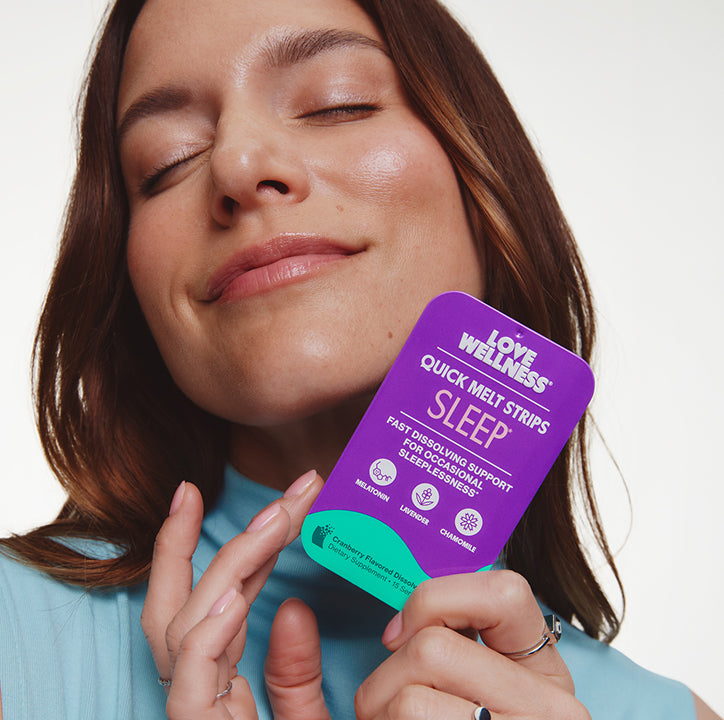
Sleeping Beauty® pairs magnesium with melatonin on the sleep-quality side of the equation, and Daily Love® Electrolytes support hydration and energy on days you’re running depleted.

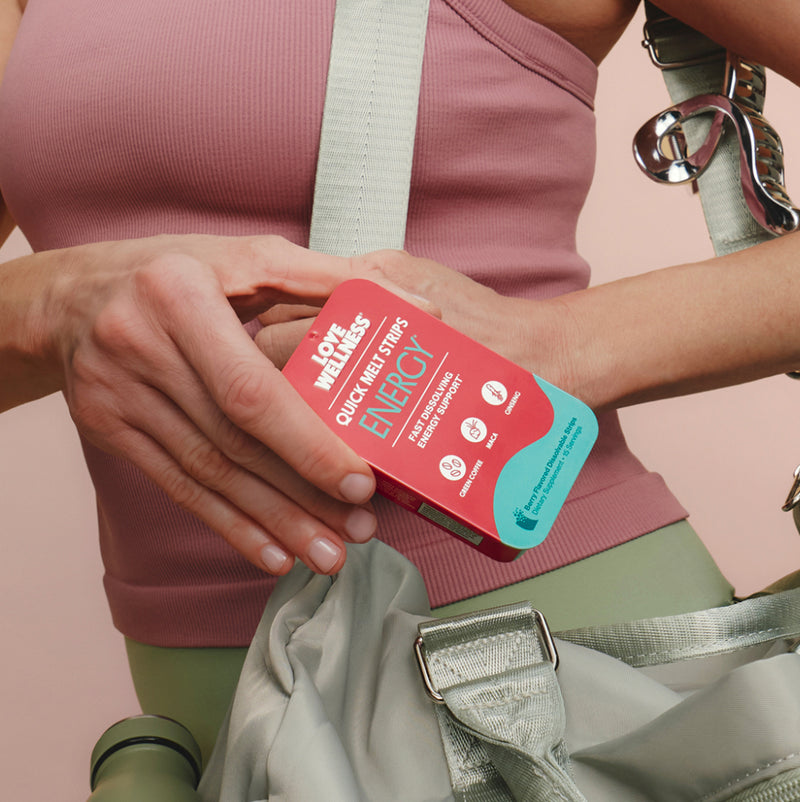
For a caffeine-free option in the afternoon-slump window, Hello Burn™ Energize supports steady energy and a healthy metabolism. Our full mood and sleep range covers the rest-side of the energy equation.
Meal structure outperforms any supplement here. A crossover study using continuous glucose monitors found a higher-protein breakfast blunted the post-meal glucose response, which supports eating protein early, skipping fewer meals, and pairing carbohydrates with protein or fat to flatten the crash.
Start With the Log and the Labs
Your fatigue is patterned, and patterns can be mapped. Log two to three weeks against your cycle, then bring the log and the specific lab requests to your doctor. The testable causes come first because they have clear fixes.
Once the gaps are named, support them: sleep, food, movement, and supplements that may help fill what your labs found. You deserve to feel your best at every stage of life, and that starts with taking your own tiredness seriously.
*