








Have you ever felt like something is not quite right, even when you cannot name exactly what? Often that feeling traces back to your vaginal pH. The good news is that small shifts usually come down to everyday habits, and they are fixable.
This guide covers what vaginal pH is, what throws it off, the signs to watch for, and the simplest ways to get it back on track, with support from our vaginal health collection along the way.
What Is Vaginal pH?
Your vaginal pH measures how acidic or alkaline the environment is. A healthy vaginal pH usually sits between 3.8 and 4.5, which is naturally on the acidic side. That acidity is maintained mostly by Lactobacillus, a good bacteria that produces lactic acid.
When your pH stays in that range, your vaginal microbiome thrives. When it drifts, less friendly bacteria and yeast get room to grow, which can lead to odor, irritation, or recurring discomfort.
For reference, healthy discharge is usually clear, milky white, or stretchy depending on where you are in your cycle, and a mild scent that reads slightly sour or metallic is normal. It is the sudden, strong, or fishy changes that are worth paying attention to.
Why pH Balance Matters
A well-balanced vaginal pH supports:
- Healthy levels of beneficial bacteria
- Protection against harmful microbes
- Odor control
- A lower risk of issues like bacterial vaginosis
When your pH runs too alkaline, it often means you do not have enough good bacteria, which opens the door to discomfort and odor changes. When it runs too acidic, you may notice irritation and dryness instead.
Common Causes of Vaginal pH Imbalance
Everyday habits, hormone shifts, and certain products can all move your pH out of range. Here are the main culprits.
Sex
Sex, especially without a condom, can raise your pH temporarily, since semen is alkaline and shifts your acidity toward neutral. Fragranced lubricants can do the same.
Menstruation
Blood has a higher pH than your vagina, so it is normal to become a little less acidic during your period. That can make odor and discomfort more likely around that time of the month.
Antibiotics
Antibiotics clear out both good and bad bacteria, which can reduce your Lactobacillus and leave the microbiome unbalanced.
Hormonal changes
Menopause, perimenopause, the postpartum window, and hormonal birth control can all change Lactobacillus levels and moisture, which affects your acidity.
Products with harsh ingredients
Scented washes, soaps, sprays, and wipes can irritate the area and disrupt balance. Even laundry detergent can be a hidden source of irritation.
Tight or synthetic underwear
Airflow matters. Less breathable fabrics trap heat and moisture, which can throw off your flora.
Stress and lifestyle
Stress affects immunity and inflammation, which can indirectly tip your balance. Diet, hydration, exercise, and sleep all feed into vaginal health too.
Medical conditions
Some conditions raise your odds of imbalance. Diabetes with poorly controlled blood sugar can encourage yeast overgrowth, and immune issues can make a stable microbiome harder to hold.
Signs Your Vaginal pH May Be Off
Everyone's body is different, but these are the most common signals:
- Strong or unusual odor
- Recurring urinary tract infections
- Vaginal itching or irritation
- Burning during urination
- Vaginal dryness
- Pain or discomfort during sex
- Noticeable changes in discharge texture or color
- Recurring BV or yeast infections
These do not always mean infection, but they can be a sign your environment needs extra support. If symptoms are intense or stick around, check in with your healthcare provider.
How to Balance Your Vaginal pH
Most pH shifts respond to simple habits and the right support. Here are the most effective ways to keep yours in a healthy range.
1. Use gentle, pH-friendly products
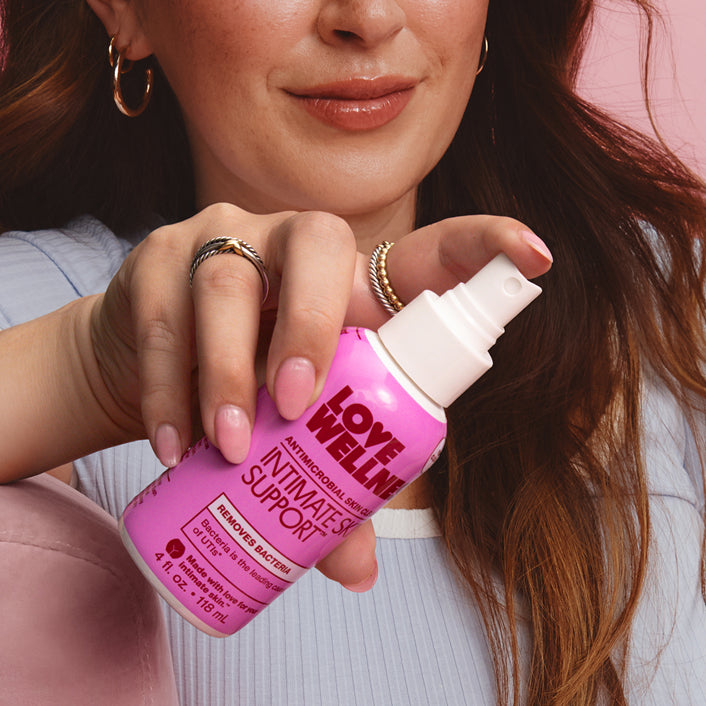
Your vagina is self-cleaning, so it does not need harsh scrubs or scented washes. What helps is using gentle products that support the microbiome instead of stripping it. Start with our pH balancing collection, odor collection, or a vaginal health kit.
2. Prioritize probiotics
Probiotics support vaginal health by replenishing the Lactobacillus that produces lactic acid. When you are choosing an oral probiotic, look for strains studied for vaginal health, like Lactobacillus reuteri and Lactobacillus rhamnosus.
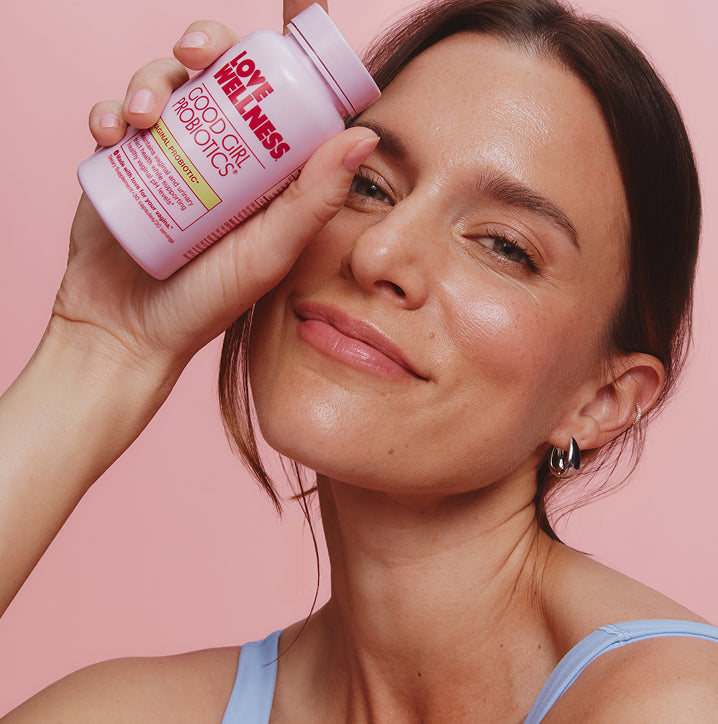
Our Good Girl Probiotics® use eight strains of lactobacilli for daily support, and Flora Power® Suppositories offer more targeted help. Here is more on how probiotics support vaginal health.
3. Avoid douching
Douching is one of the fastest ways to upset your natural balance. Research has linked it with a higher risk of vaginal problems, so it is a habit worth dropping entirely. Since your vagina cleans itself, all you need is a mild, unscented option like our pH-balanced cleanser.
4. Choose breathable underwear
Cotton and moisture-wicking fabrics like bamboo keep air moving and prevent the moisture buildup that destabilizes your environment. Change out of damp swimsuits and sweaty clothes sooner rather than later.
5. Practice safe sex habits
A condom helps prevent sexually transmitted infections and keeps alkaline semen from shifting your pH. Research suggests more semen exposure may raise BV risk, so barrier methods do double duty. You can also choose fragrance-free lubricants and pee after sex.
6. Give your body extra support during your period
Period blood naturally raises your pH. During menstruation, change pads and tampons regularly, choose unscented products, and consider a cup as a non-absorbent option. Aim to change tampons every four to eight hours, since leaving one in too long can irritate delicate tissue.
7. Look after your gut health
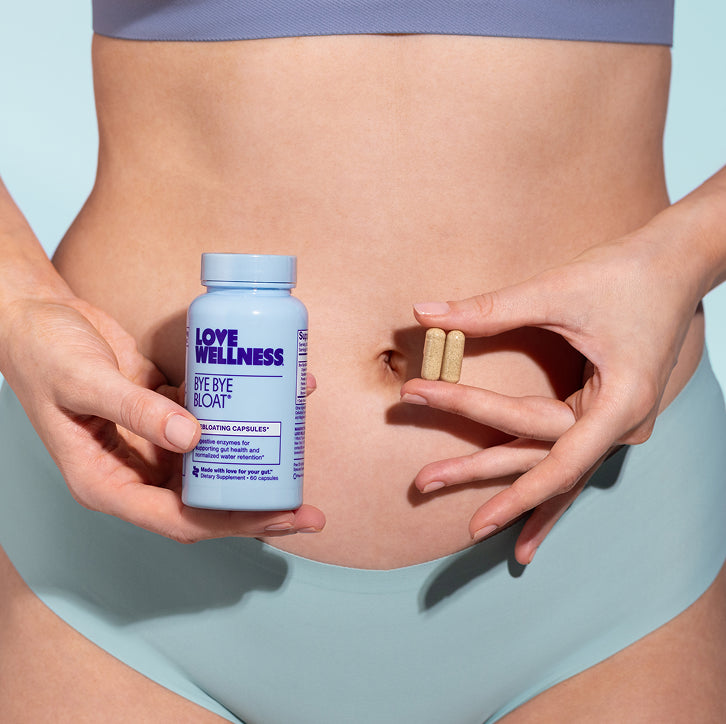
A balanced gut often means a more stable vaginal environment. Everyday digestive support, like the products in our daily maintenance collection, helps that connection.
8. Be mindful of medications
If you are on antibiotics, pairing them with a probiotic can help offset the temporary dip in good bacteria. Steroids and immunosuppressants can affect your pH too, since they change how your body regulates bacteria and yeast.
It also helps to know that repeated antibiotic rounds, common for women with chronic BV or recurrent UTIs, can contribute to antibiotic resistance over time. That is part of why a balance-first routine matters between flare-ups.
9. Manage stress
Stress, poor sleep, and low hydration can all nudge your balance off. One study linked higher cortisol, your main stress hormone, with a greater likelihood of BV, so habits like walking, breathing exercises, and protecting your sleep do more than calm your mind. A daily multivitamin like Daily Love®, which supports healthy cortisol levels, can round out a stress-aware routine.
10. Support your pH with the right food
Your diet matters more than you might expect. Leafy greens, whole grains, berries, plain yogurt, and fermented foods support both your gut and vaginal microbiomes. Nutrients like iron, zinc, and manganese also help the Lactobacillus that keeps your pH steady, so variety pays off. For more, see our guide to foods that balance pH.
11. Consider boric acid for a targeted reset
Boric acid has a long history in vaginal care, going back more than a century. As a single-ingredient suppository, it works locally to support a balanced vaginal pH and healthy levels of vaginal yeast and bacteria.
The Killer® Boric Acid Suppositories are one option, and our full guide to boric acid suppositories covers how they work and when they fit. Boric acid is not a cure for infections, so check with your provider if you think you have one.
When Should You See a Doctor?
pH fluctuations are normal, but some symptoms deserve a professional look. Reach out to your provider if you notice:
- A strong, fishy, or sudden odor
- Yellow, green, or gray discharge
- Clumpy discharge with itching
- Persistent burning or irritation
These can point to bacterial vaginosis, a yeast infection, or other conditions that need a real diagnosis. Ignoring ongoing symptoms is not worth the risk, since infections like BV that go unaddressed can raise the risk of pelvic inflammatory disease, which can affect fertility. A quick visit gets you a clear answer and the right next step.
FAQs
Can you test your vaginal pH at home?
Yes. Over-the-counter pH test kits use a simple swab and color chart to give you a quick snapshot of where your levels sit. They are helpful, but they do not replace a professional diagnosis, especially if your symptoms are strong.
Can diet affect vaginal pH?
Yes. Sugary, heavily processed foods can encourage harmful bacteria to overgrow, while probiotic-rich foods help support a balanced microbiome.
Is it normal for discharge to change through my cycle?
Yes. Discharge shifts from clear to creamy to stretchy depending on where you are in your cycle. Learn what is normal for you, and pay attention to changes that feel unusual.
The Bottom Line
Balancing your vaginal pH does not require perfection. It comes down to small, supportive habits that let your body do what it already knows how to do. Gentle products, daily probiotics, and an understanding of what throws things off will get you most of the way there.
If you want a little extra help, explore our pH balancing, vaginal odor, and daily maintenance options to feel your best, at every stage of life.
