






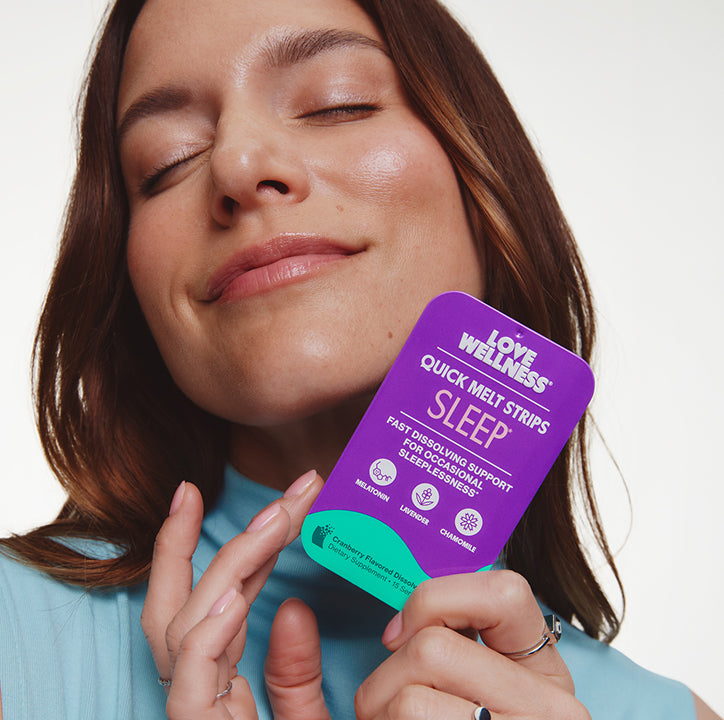






Have you ever woken up with a throbbing pain in your head after a restless night of tossing and turning? Headaches from lack of sleep are very common, affecting people of all ages and lifestyles. Stress also plays a significant role, so consider products like Love Wellness's Stress Support Collection, which can help calm the mind and promote better sleep.
While an occasional poor night's rest can leave you feeling "off," chronic sleep deprivation should be taken seriously because it can have a significant impact on pain perception and hormone regulation. In this article, we take a closer look at the connection between lack of sleep, headaches, and your overall well-being.
Can Lack of Sleep Really Cause Headaches?
Yes. Lack of sleep is a well-established trigger for several types of headaches, including tension headaches and migraines. Sleep deprivation can result in increased inflammation, disrupted neurotransmitters, poor pain management, and heightened stress levels, creating the perfect environment for headaches to develop.
Studies show that people who sleep fewer than seven hours per night are more likely to report frequent headaches, particularly upon waking. Over time, irregular sleep patterns can increase the severity and duration of your headaches.
Types of Headaches Linked to Poor Sleep
Sleep disturbances and deprivation can lead to several distinct types of headaches, including:
Tension headaches
These are the most common headaches associated with poor sleep. They often feel like a tight band around the head and are linked to muscle tension in the neck, shoulders, and jaw, the most common areas that become strained when the body is overtired or stressed.
Some of the other causes of tension headaches include poor posture, eye strain, dehydration, and jaw clenching.
Migraine headaches
Sleep loss is a well-known migraine trigger. If you are prone to migraines, an inconsistent sleep schedule or staying up too late can lead to more frequent or intense episodes. Migraine symptoms include:
-
Severe head pain
-
Nausea
-
Vomitting
-
Sensitivity to noise, light, and smells
-
Mood changes
Research suggests sleep deprivation also affects serotonin levels, which play a role in migraine development.
Morning headaches
Waking up with a headache could be related to fragmented sleep, poor sleep posture, or sleep disorders such as sleep apnea. Morning headaches often fade as the day goes on, but can be disruptive and uncomfortable.
Cluster headaches
Cluster headaches are severe, recurring headaches that typically occur in cyclical patterns or "clusters." They often strike at night and can wake you from your sleep. The pain is known for being intense and focused around one eye or one side of the head.
Sleep deprivation, irregular sleep schedules, and disruptions to the body’s internal clock may contribute to cluster headache episodes. Because of their intensity and frequency, cluster headaches often require medical evaluation and targeted treatment.
Hypnic headaches
Hypnic headaches are sometimes referred to as "alarm clock headaches" because they occur during sleep and often wake a person at the same time each night. While relatively rare, they are more common in older adults and may be linked to disruptions in the body's circadian rhythm.
Why Sleep Deprivation Affects Pain
Sleep (especially REM sleep) is essential for the body’s recovery processes. This is when the brain regulates pain sensitivity, balances hormones, and allows muscles to relax.
When your sleep is disrupted:
-
Cortisol (the stress hormone) increases
-
Muscle tension builds
-
Inflammation rises
-
Pain thresholds drop
Over time, this makes the body more reactive to discomfort. Learning how sleep cycles work (including the five stages of sleep) can help explain why high-quality rest is so important for headache prevention.
The Role of Stress and the Nervous System
Unsurprisingly, stress and sleep loss are closely linked. Mental stress keeps the nervous system in a heightened state of alertness, making it difficult to fall or stay asleep. In turn, poor sleep reduces the body’s ability to cope with stress, creating a cycle that increases the risk of headaches.
Supporting overall brain and body health can be helpful. Love Wellness’ Brain and Total Body Kits are designed to support cognitive function, stress response, and overall balance, all of which may contribute to better sleep and fewer headaches.
How to Support Better Sleep
Improving your sleep quality is one of the most effective ways to reduce sleep deprivation headaches, but getting better rest is often easier said than done.
Let's take a closer look at how you can set yourself up for a good night's sleep.
Supplements
Certain nutrients can help calm the nervous system and promote more restorative sleep. Magnesium, in particular, helps the body shift into a relaxed state, making it easier to fall asleep and stay asleep. It does this through:
-
Nervous system regulation
-
Melatonin production
-
Muscle relaxation
If you’re unsure whether it’s right for you, Love Wellness also explains whether magnesium should be taken for better sleep and how to use it safely. For additional sleep support, our Lights Out supplement is designed to encourage relaxation and support the body’s natural sleep-wake cycle.
While supplements aren’t a cure-all, they can be a helpful addition when stress or restlessness interferes with your sleep patterns.
Sleep hygiene
Sleep hygiene refers to daily habits and environmental factors that support consistent, high-quality rest.
Helpful sleep hygiene practices include:
-
Going to bed and waking up at the same time each day
-
Limiting screen time before bedtime
-
Keeping the bedroom dark, quiet, and cool
-
Avoiding caffeine later in the day
For a deeper explanation and practical guidance, Love Wellness’ article on sleep hygiene offers simple steps you can start implementing right away.
Lifestyle factors
Everyday lifestyle choices can significantly affect both sleep quality and headache frequency. Managing stress, maintaining a balanced routine, and giving your body enough time to wind down are all important for supporting restful sleep.
Try to avoid:
-
A sedentary lifestyle
-
Smoking cigarettes
-
Drinking alcohol
-
Staying indoors all day
Regular physical activity and mindfulness practices can also regulate the nervous system and reduce tension that contributes to headaches.
When to See a Healthcare Professional
Occasional headaches after a bad night's sleep are common and shouldn't be a cause for concern. However, you should consider speaking with a healthcare professional if:
-
Headaches are frequent
-
Symptoms are worsening
-
Pain disrupts daily activities
-
You experience migraines regularly
-
Headaches occur alongside snoring or breathing issues
Persistent sleep deprivation headaches may indicate an underlying sleep disorder (such as sleep apnea) that requires evaluation.
FAQs
Can a lack of sleep cause daily headaches?
Yes. Chronic sleep deprivation can lower pain tolerance and increase muscle tension, making recurring headaches more likely.
What is sleep apnea?
Sleep apnea is a serious sleep disorder where breathing stops and starts during sleep. This results in loud snoring, daytime tiredness, headaches, and a range of potential health issues.
How many hours of sleep prevent headaches?
Most adults need seven to nine hours of quality sleep every night to support pain regulation and reduce the risk of headaches.
Final Thoughts
Sleep quality plays a vital role in pain regulation, stress management, and your overall health, and a headache from lack of sleep is your body's signal that rest is out of balance.
Fortunately, if you prioritize restful sleep, you can support your nervous system and significantly reduce headache frequency over time. Small, meaningful changes can make a significant difference to how you feel when you wake up each morning.
Want to reduce your stress levels for better sleep? Check out our Stress Support Collection to find a doctor-developed supplement that's right for you.
*
