




Underwear is one of those things most of us buy on autopilot. Cute, comfortable, on sale. Done. But the fabric sitting against your most sensitive skin all day actually has a bigger impact on your vaginal health than you might think.
The good news is that a few small shifts in what you wear can go a long way in supporting how your body feels day-to-day. You don't need to overhaul your entire underwear drawer to make a difference.
Why Your Underwear Choice Matters
Your vaginal environment is self-regulating, but it's sensitive to heat and moisture. When the wrong fabric or fit traps both against your skin for hours at a time, it can create conditions that work against your natural balance.
Your underwear is also in direct contact with some of the most delicate tissue on your body. Tight styles, synthetic fabrics, and heavy dyes can all contribute to friction, irritation, or moisture buildup that you might not even notice right away.
Underwear isn't the only factor in vaginal health, but it's one of the easiest ones to adjust.
What to Look for in Vaginal-Health-Friendly Underwear
1. Breathable fabrics (cotton is queen)
If there's one rule worth following, it's this: cotton is your best friend. Cotton is a natural, breathable fabric that allows for airflow and helps moisture evaporate rather than sit against your skin.
Synthetic fabrics like polyester, nylon, and satin tend to trap heat and sweat. That warm, damp environment is exactly what you don't want, especially if you're prone to recurring irritation or imbalances.
You don't have to swear off pretty underwear forever. Many styles now come with a cotton-lined gusset (the panel that sits closest to you), which is a great middle ground for dressier options.
2. The right fit
Underwear that's too tight can cause friction against your skin and limit airflow, both of which can contribute to irritation over time. On the flip side, underwear that's too loose can bunch and rub in ways that are just as uncomfortable.
The sweet spot is underwear that sits comfortably without digging in at the waistband or leg openings. If you notice red marks after taking yours off, it's probably too tight.
3. Fewer dyes and harsh materials
Lace, elastane, and heavily dyed fabrics can trigger contact dermatitis in people with sensitive skin. The symptoms usually look like itching, redness, or irritation that seems to come out of nowhere.
If you've been dealing with unexplained discomfort, the fabric of your underwear (or even the detergent you're washing it with) might be worth looking at. Fragrance-free, gentle detergents are a small switch that can make a real difference.
Underwear Styles and Vaginal Health
Not all styles are created equal when it comes to vaginal health. Here's a quick rundown:
-
Cotton briefs and boyshorts: The most breathable, most supportive options. A solid everyday choice.
-
Bikini cut: A good middle ground if you want less coverage without sacrificing comfort. Look for cotton or cotton-lined versions.
-
Thongs: Not off-limits, but worth being mindful of. The narrow fabric can shift and cause friction, so cotton thongs (and saving them for occasions when you actually need them) is a smart approach.
-
Seamless styles: Great for avoiding visible lines, but many are made from synthetic fabrics. Check the label for a cotton gusset.
-
Lace: Pretty, but often the most irritating for sensitive skin. Best saved for special occasions rather than everyday wear.
Everyday Habits That Work With Your Underwear Choice
The underwear itself is only part of the picture. A few habits that pair well with good underwear choices:
-
Change after workouts. Sweaty underwear sitting against your skin for hours is one of the easiest irritation triggers to avoid.
-
Don't sleep in damp underwear. If you've been sweating or showered before bed, make sure you're fully dry before putting fresh underwear on.
-
Wash with gentle, fragrance-free detergents. Residue from heavily scented detergents is a common source of irritation that's easy to overlook.
-
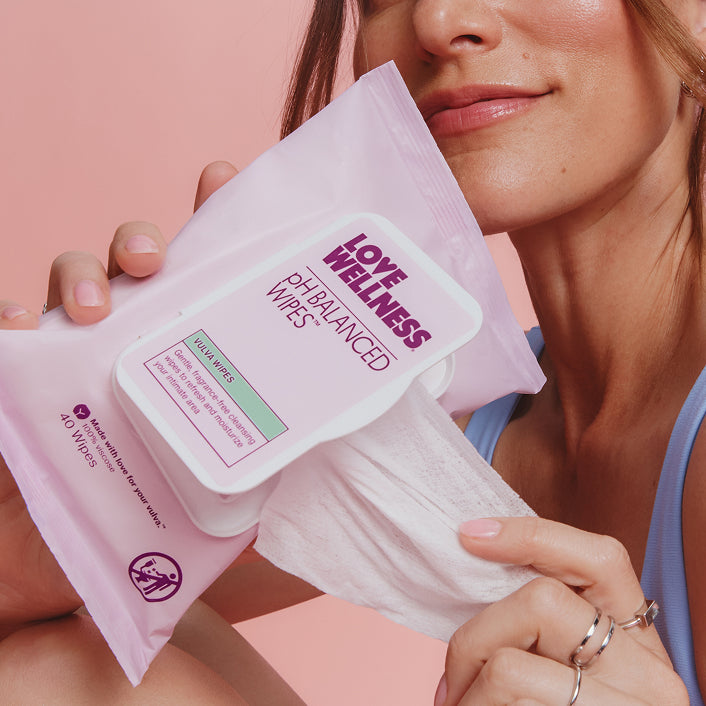
Be mindful of how you cleanse. Harsh soaps can throw off your natural pH. A pH-balancing cleanser like ours is formulated to work with your body rather than against it.
Supporting Vaginal Health Beyond Your Underwear Drawer
Underwear choices are a great start, but your vaginal health is supported by a combination of habits and inputs. A few other ways to give your body extra support:
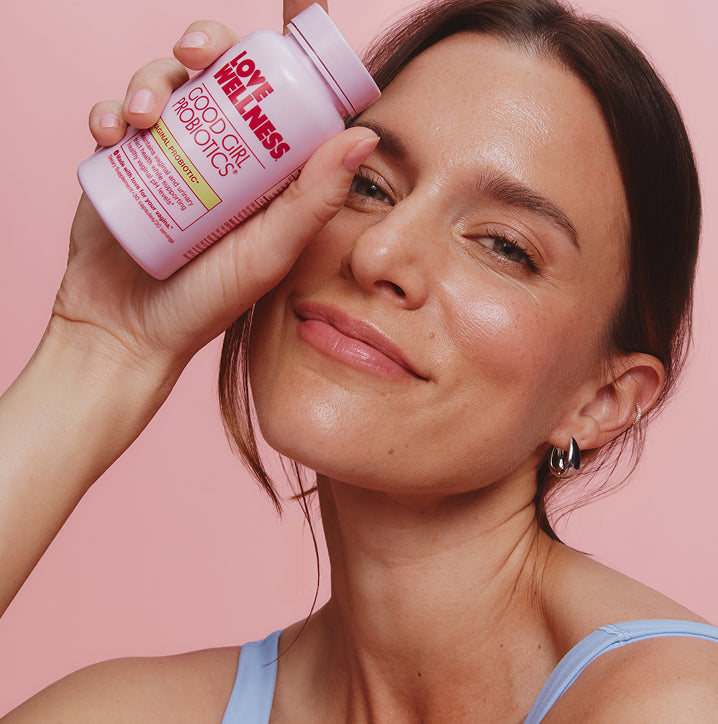
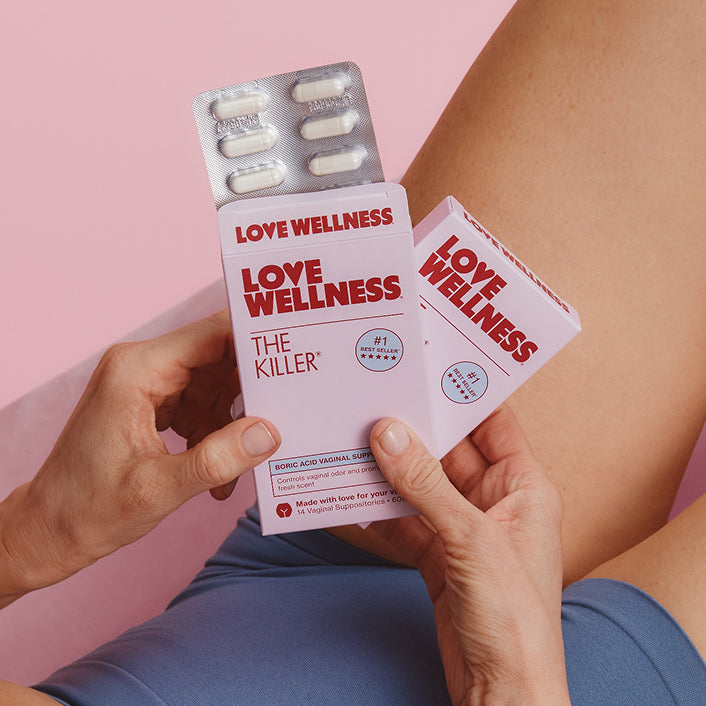
A probiotic made specifically for vaginal health can help support a balanced microbiome from the inside out. Our Good Girl Probiotics were formulated with this in mind, featuring strains that help support vaginal and urinary tract health.
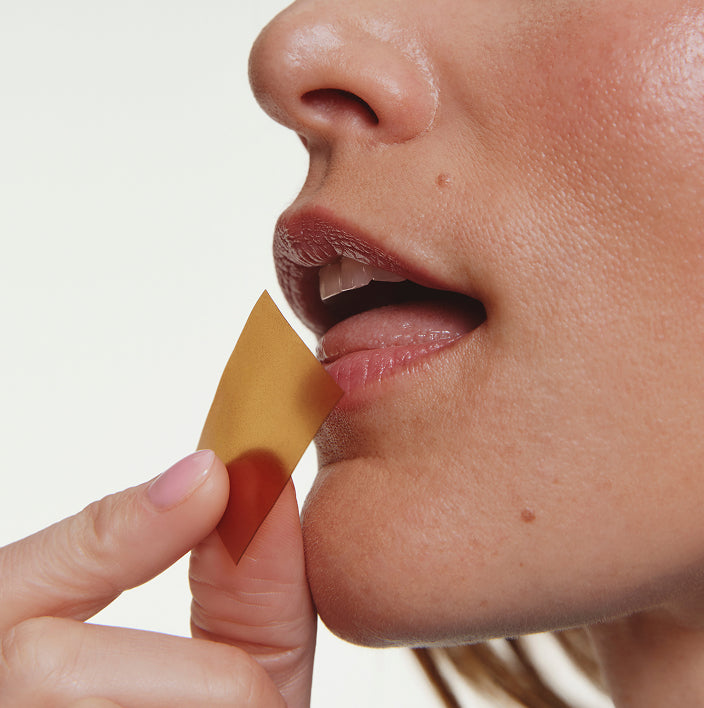
For anyone who deals with the occasional urinary tract discomfort, our Urinary Tract Quick Melt Strips are a targeted option to keep on hand.
Between the right underwear, good daily habits, and a little extra support, you have plenty of tools to help your body do what it does best.
Signs Your Underwear Might Be Working Against You
If you're dealing with any of these regularly, your underwear might be a factor worth ruling out:
-
Recurring itching or irritation with no clear cause
-
Unexplained odor that doesn't seem to respond to hygiene changes
-
Redness or chafing around your vulva or inner thighs
-
A feeling of dampness or discomfort that lingers throughout the day
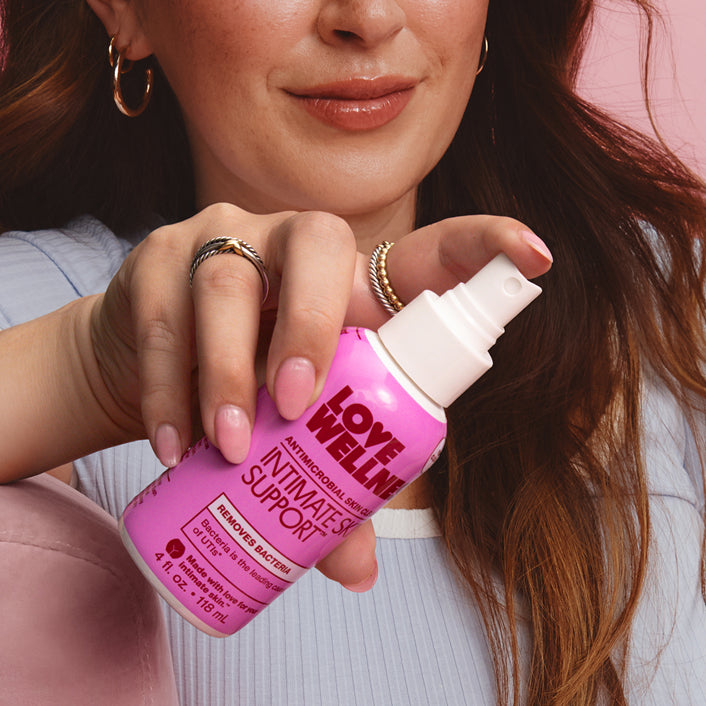
For the skin discomfort specifically, our Intimate Skin Support was made to soothe irritated skin in sensitive areas.
If you've tried switching fabrics and adjusting your habits but the discomfort isn't going away, it's worth checking in with a qualified healthcare provider. Persistent symptoms can have a lot of different causes, and a professional can help you figure out what's actually going on.
Small Changes, Big Difference
Your underwear drawer might not be the first thing you think of when it comes to supporting your vaginal health, but it's one of the simplest places to start. Choosing breathable fabrics, paying attention to fit, and pairing it all with habits that work with your body (rather than against it) can add up to a real difference in how you feel.
You don't need a perfect routine. Small, consistent choices are what make the biggest impact over time.
FAQs
Is cotton underwear really that much better?
For most people, yes. Cotton is breathable, allows moisture to evaporate, and is much less likely to irritate sensitive skin than synthetic fabrics. If fully cotton underwear isn't your style, look for options with a cotton-lined gusset. You'll get the benefits where they matter most.
How often should I change my underwear?
At minimum, once a day. But if you've been sweating, working out, or feel damp for any reason, change them sooner. Fresh, dry underwear is one of the easiest ways to support your comfort and vaginal health.
Can the wrong underwear cause infections?
Underwear alone typically doesn't cause infections, but tight or non-breathable fabrics can create conditions that contribute to irritation or imbalance, which can be a factor for some people. If you're prone to recurring issues, paying attention to your underwear choice is a reasonable step to take.
Should I sleep in underwear?
This one comes down to personal preference. Some people find that sleeping without underwear gives their skin a chance to breathe overnight, which can be especially helpful in hot weather or for anyone prone to recurring irritation. Others prefer the comfort of a breathable cotton pair. Either can work. The key is making sure whatever you're wearing is clean, dry, and breathable.
*