




Maybe your sleep has gone shallow during a stressful season, or your cycle showed up late for no reason you can name. Somewhere along the way, a friend or a late-night scroll told you ashwagandha would fix it.
Some of what you've heard holds up in research, some of it doesn't, and we'd rather tell you which is which. Ashwagandha belongs in the stress support conversation, as long as you know what it can and can't do.
What Does Ashwagandha Do for Women
Ashwagandha (Withania somnifera) is a small evergreen shrub in the nightshade family, used in Ayurvedic medicine for centuries as a Rasayana, a class of herbs taken to restore resilience. You'll also see it called Indian ginseng or winter cherry, though it's unrelated to true ginseng.
The name is Sanskrit for "smell of the horse," a nod to the root's earthy scent and the strength it was said to confer.
In modern terms, ashwagandha is an adaptogen: an herbal supplement that helps your body regulate its stress response without sedating or stimulating you. Its active compounds, called withanolides, appear to signal the hypothalamic-pituitary-adrenal (HPA) axis, the system that decides how much of the stress hormone cortisol you produce.
The "for women" part matters because the outcomes most studied in women (cycle regularity, sleep, and menopausal symptoms) all interact with cortisol. And the research is built on root extracts with a stated withanolide percentage, a detail we'll come back to when you're reading labels.
Stress, Cortisol, and Mood
Cortisol gets treated like a villain, but you need it. It wakes you up in the morning, keeps your blood sugar steady, and helps manage inflammation. The problem is chronic stress, when cortisol stays elevated for weeks and starts disrupting sleep, mood, and energy. That pattern is the reason cortisol support has become its own supplement category.
Most human trials follow the same shape, according to the NIH Office of Dietary Supplements: stressed adults take a standardized extract or a placebo for 6 to 8 weeks while researchers track serum cortisol and perceived-stress scores. A meta-analysis of these randomized trials found meaningful reductions in stress, anxiety, and cortisol at 8 weeks.
Now the caveats. Samples are small, durations are short, and many trials used extracts funded by the manufacturer. A 2025 meta-analysis of eight trials found cortisol dropped reliably while perceived stress didn't budge, and every included trial was run in India, which limits how far the results travel.
This research covers everyday stress load, the kind that comes from a demanding job or a packed season of life. It does not speak to clinical anxiety or depression, which deserve a professional's care, not an herb.
In the studies, the most consistent effect is a gradual one: lower measured cortisol, and often an easier time winding down. It builds over several weeks and won't hit like caffeine.
Why Cortisol Matters More for Cyclical Bodies
Your stress hormones and your reproductive hormones run through the same command center, the hypothalamus and pituitary. When cortisol output climbs, the signals that regulate your cycle can get deprioritized.
That's why a brutal quarter at work can show up as a late period, something we cover in depth in can stress delay your period. It also explains most of what follows: when ashwagandha influences cycles, sleep, or menopausal symptoms, the evidence points to cortisol as the main route. Direct effects on estrogen or progesterone are far less established.
Hormonal Balance Across the Menstrual Cycle
"Hormonal balance" appears on a thousand supplement labels, and we want to be precise about it, because it isn't a measurable endpoint. What studies measure are specific things: symptom scores, cycle length, cortisol, insulin markers.
For PMS, the evidence supports stress-mediated improvement: when your overall stress load drops, late-cycle symptoms like irritability and poor sleep often ease with it. That's different from correcting a hormone level, and no PMS study shows ashwagandha doing the latter.
Irregular or missed cycles tied to chronic stress, undereating, or overtraining are where an adaptogen is plausibly relevant, since chronically elevated cortisol can suppress the hormones that drive ovulation. A cycle that's irregular for other reasons needs a diagnosis before any supplement enters the conversation.
On PCOS, the research is early: small pilot studies have looked at stress and insulin markers, mostly building on preclinical work. Ashwagandha is adjunct context for the stress side of PCOS at most. It is not a PCOS treatment.
Fertility research in women is thinner still. A systematic review of ashwagandha's sex-specific reproductive outcomes shows most of the fertility data comes from studies of sperm quality in men, with far less clinical research in women. The male findings don't automatically carry over to women.

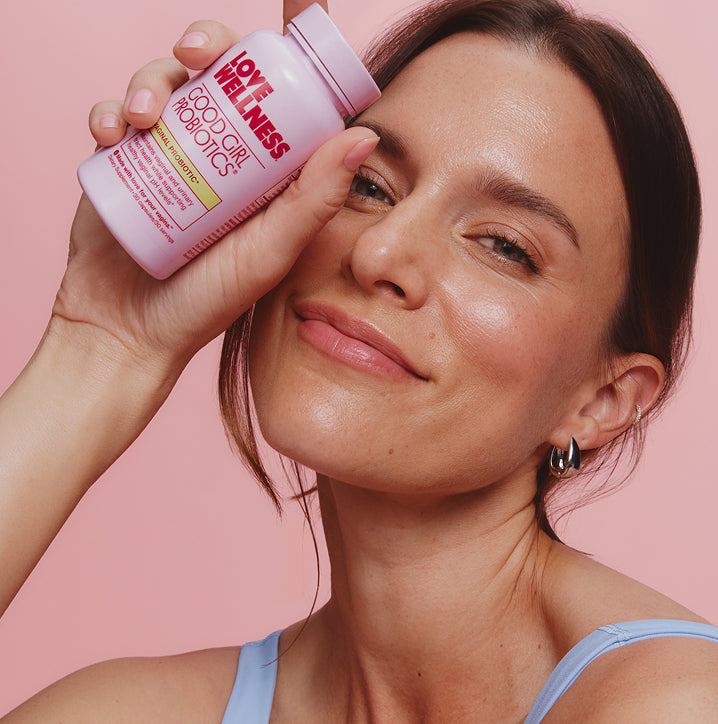
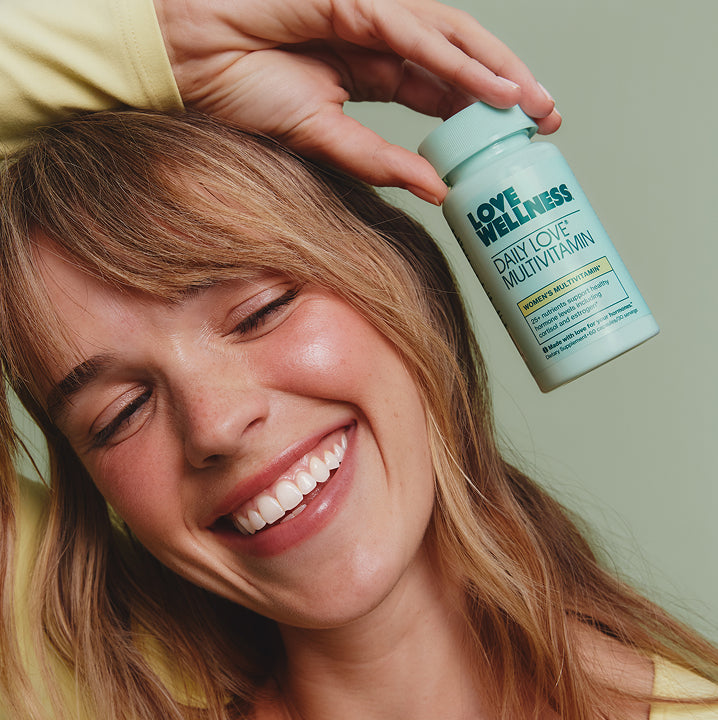
This indirect, stress-first logic is why we formulate ashwagandha into Daily Love® Multivitamin alongside chaste tree berry in a formula of 25+ nutrients to support healthy cortisol and estrogen levels, rather than selling it as an isolated fix.
Perimenopause and Menopause Symptoms
If you're between 40 and 55 and weighing non-hormonal options, this is probably the section you came for. An 8-week randomized trial in 100 perimenopausal women taking 300 mg of root extract twice daily found lower menopause symptom scores, including hot flashes.
Read that result carefully, though. It's a single study, and the sleep and mood improvements look sturdier than the hot flash findings. Vasomotor symptoms, the hot flashes and night sweats themselves, carry the weaker evidence; better sleep may be doing much of the work behind everything else, including mood swings.
Ashwagandha is also not in the same category as hormone therapy, and we won't imply otherwise. If your symptoms are running your life, that conversation belongs with your doctor. For a wider look at your options, our guide to menopause supplements covers what to look for by ingredient.
Sleep Quality and Nighttime Recovery
Sleep is where the research gets specific. An 8-week trial using 300 mg of KSM-66 extract twice daily in adults with insomnia measured shorter sleep onset latency, better sleep efficiency, and more alertness the next morning. Sleep studies use doses between 120 and 600 mg, taken in the evening.

Those outcomes come from easing stress load, since ashwagandha isn't a sedative. A dedicated sleep formula takes a different route: our Sleeping Beauty® pairs melatonin and magnesium glycinate with valerian root and lemon balm, and contains no ashwagandha at all.
Both approaches are legitimate; they solve different problems. If magnesium is the direction you're leaning, our women's guide to magnesium for sleep breaks down the forms and doses. Falling asleep faster is plausibly how several of ashwagandha's other reported benefits happen, mood and daytime energy included.
Sexual Wellness and Libido
This one surprises people, and most wellness blogs skip it. An 8-week randomized trial in 80 women with low sexual desire reported improvements in arousal, lubrication, orgasm, and sexual satisfaction scores compared to placebo.
The likely explanation is ordinary: stress and fatigue are two of the biggest libido suppressors there are, and easing them clears room for desire. These are small studies with self-reported outcomes, so hold the findings loosely. For stress-related low libido, though, the direction is encouraging.
Skin, Hair, and Body Composition
The beauty and body claims attached to ashwagandha need more caution than the stress ones.
1) Skin
Ashwagandha's contribution to skin is antioxidant support, a background role. In a skin formula, the visible work comes from ingredients like vitamin C, vitamin E, and biotin; that's the structure of our Good to Glow™, where organic ashwagandha root powder rounds out the formula rather than leading it. Clinical research hasn't studied ashwagandha on its own for acne or wrinkles.
2) Hair
Does ashwagandha prevent hair loss? No. There's no direct evidence that it does. The plausible link is indirect: intense stress can push extra hairs into a temporary shedding phase called telogen effluvium, and lowering stress may help that resolve. Pattern hair loss, the gradual hormonal kind, is a different condition ashwagandha doesn't address.
3) Muscle and Body Composition
The foundational resistance-training trials enrolled only young men, and mixed-sex research is only starting to appear. So we'll state the limitation instead of extrapolating: muscle strength and body composition findings in women are unproven. As for weight loss, nothing in the research supports it.
How Much Ashwagandha Do Women Take?
The clinical range is 300 mg to 600 mg per day of standardized root extract, with sleep studies running as low as 120 mg. Doses above 600 mg per day haven't been well studied, so more isn't better here.
On a label, look for the withanolide percentage before the total milligrams. A standardized extract states it (KSM-66 standardizes to at least 5 percent withanolides; Sensoril is another branded option), while raw root powder can list an impressive milligram count that delivers far less active compound.
Timing follows your goal. Morning suits all-day stress support, while an hour before bed suits sleep. Taking it with food helps head off stomach upset either way.

Format matters less than dose transparency. Capsules and powders usually state their extract and standardization; gummies and strips vary more, so check. Our CALM Quick Melt Strips take the strip format in a different direction entirely: L-theanine, passionflower, and lemon balm, no ashwagandha.
In a multi-ingredient formula like Daily Love®, the ashwagandha dose sits below standalone-extract levels by design, because it's one of 25+ nutrients working together. If you want the full study-level dose, that's a standalone-extract decision.
Can women take ashwagandha daily? In the trials, women took it every day for 8 to 12 weeks with only mild side effects reported. Past a few months of continuous use, there's much less data.
How Long Until You Notice Anything?
Set your expectations by outcome. Sleep and perceived stress move first, usually within 2 to 4 weeks. Cycle-related changes and menopausal symptoms take 8 to 12 weeks, partly because you need more than one full cycle to judge a cycle-related effect.
Many people cycle their use, taking a break after two or three months. There's no established protocol for that. It's a reasonable response to the fact that continuous long-term use hasn't been studied much.
If nothing has changed after a fair trial, the usual suspects are a dose that's too low, an unstandardized extract, or a symptom that stress wasn't driving in the first place. Check all three before you conclude ashwagandha failed you.
Who Should Not Take Ashwagandha
Some women should skip ashwagandha entirely, and a few conditions make it riskier than the wellness aisle suggests.
Thyroid conditions come first. Ashwagandha can raise thyroid hormone levels, which makes it a risk in hyperthyroidism and a complication for anyone taking levothyroxine, since it can push a carefully calibrated dose off target. Any thyroid condition means a doctor conversation before you start.
If you're pregnant or breastfeeding, skip it. Regulators in several countries advise against ashwagandha in pregnancy, and there's no safety data for nursing.
Autoimmune conditions call for medical guidance first, since ashwagandha has immune-modulating activity. And while it's rare, clinically apparent liver injury has been documented, typically within 2 to 12 weeks of starting. Uncommon against how widely the herb is used, but real.
Ashwagandha can also interact with sedatives, thyroid medication, blood pressure and blood sugar medications, and immunosuppressants, per the NIH Office of Dietary Supplements. Common mild side effects include stomach upset, loose stools, nausea, and drowsiness.
What about hormonal birth control? There's no documented interaction, but the combination hasn't been directly studied either, and lab research raises a theoretical question about how the two are metabolized. Mention it to your prescriber; a thirty-second conversation settles it.
Supplements aren't regulated the way drugs are. A clinician who knows your history is the right check before you start, and that goes for every herb on your shelf.
Choosing an Ashwagandha Supplement
If you've cleared the cautions, here's how to read the shelf. A trustworthy standalone ashwagandha extract states its withanolide percentage, discloses whether it uses root or root-and-leaf extract, carries third-party testing (USP, NSF International, or ConsumerLab), and shows the dose per serving instead of hiding it in a proprietary blend.
The real decision is between a standalone extract at a study-level dose and a broader daily formula that includes ashwagandha. A standalone extract suits a targeted trial run against one outcome, like sleep, while a daily formula suits a maintenance routine that wants stress support in the mix without another bottle.
For transparency: ashwagandha appears in our Daily Love® Multivitamin and Good to Glow™ as part of formulated blends. We don't make a standalone ashwagandha extract.
And if the cautions above ruled you out, other calming routes exist. Magnesium, L-theanine, and lemon balm each have their own evidence for mood and sleep support, none of it dependent on ashwagandha.
Where Ashwagandha Fits in Your Routine
The strongest ashwagandha benefits for women are in stress and sleep: lower measured cortisol, shorter sleep onset, steadier mood over 6 to 8 weeks. Cycle and menopause benefits run through that same stress pathway and take longer to show. The beauty, muscle, and weight claims are early or unsupported.
Before you start, run through the cautions: no thyroid condition, not pregnant or breastfeeding, no conflicting medications, and a label that states its withanolides. Then give it a real trial, 8 weeks at 300 to 600 mg, and judge it on the one outcome you started it for.
That's how we think supplements should work at every stage of life: clear about what they support, honest about what they don't, and always second to a doctor who knows your body.
*