




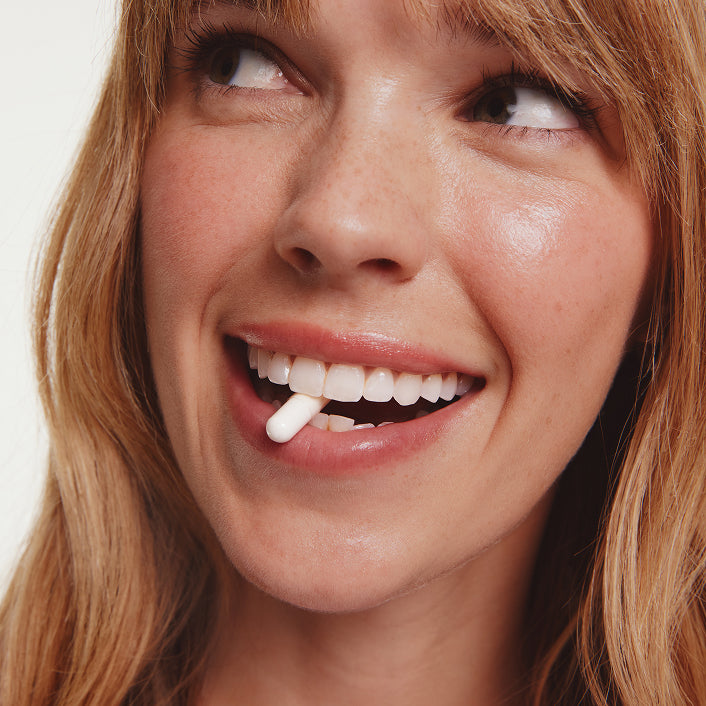





Women's probiotics do far more than support the gut. They improve the gut's microbiome in ways that influence the gut-brain axis, which then directly impacts how we feel day to day. This means that, when combined with other healthy lifestyle habits, consistent probiotic use can be an integral part of your stress-reducing routine.
Let's explore how and why this happens, and which probiotics you should be taking to support your mental health.
What Are Probiotic Supplements?
Probiotics are live microorganisms, typically consisting of beneficial bacteria or yeast, that support the balance of microbes living in your digestive system.
These microorganisms already live in your gut, but their numbers can drop due to poor diet, stress, illness, or antibiotic use. When that happens, it can trigger an imbalance that can harm digestion and overall health and lead to more serious health issues.
This is where probiotic supplements can step in and help. Their job is to increase the number of good microorganisms in your gut and restore balance.
Supplements are available in capsules (like our Big Brain Probiotics® and Good Girl Probiotics®), powders, drinks, and you can also find them in fermented foods. For example, live yogurt, sauerkraut, kombucha, and kimchi are all great sources of probiotics.
The Gut Brain Connection Explained
The gut and brain are in constant communication with each other through something called the "gut-brain axis." This is a complex system that links the digestive system and the brain via a pathway of nerves, neurotransmitters, and immune signals.
One of the main communication pathways is the vagus nerve, which carries messages between the gut and brain. Additionally, the axis involves the central nervous system (your brain and the spinal cord) and the enteric nervous system (a network of nerves embedded in the digestive tract).
The role of gut bacteria
Gut bacteria are active participants in this ongoing conversation between your digestive system and your brain. The gut microbiota plays a crucial role in producing and regulating certain neurotransmitters, including serotonin and dopamine, which significantly influence mood and cognitive function.
In fact, much of the feel-good chemical serotonin is produced in the gut, rather than the brain, as many people assume.
So, when gut microbes fall out of balance, it can directly influence how we feel. Researchers have found associations between altered gut health and conditions like anxiety, depression, and stress.
The Benefits of Taking Probiotics for Mental Health
Although probiotics are not a cure for mental health conditions, evidence suggests they support the brain-gut axis when combined with healthy lifestyle habits like eating well, sleeping well, exercising, etc.
Healthier gut bacteria
The most obvious benefit of probiotics is their ability to support a healthier gut.
This matters because poor gut health can contribute to systemic inflammation, which is increasingly associated with mood disorders and cognitive difficulties.
Improved cognitive function
Certain probiotic strains have been shown to support aspects of cognitive performance, including memory and concentration.
The theory is that probiotics help reduce inflammation and oxidative stress, both of which can negatively affect brain function over time.
Better emotional processing
When our body feels good, so do our brains. Increasing probiotic intake can lead to a happier gut and less stress, which allows us to respond calmly during emotionally challenging tasks.
This improved emotion regulation is linked to changes in neurotransmitter signaling and vagus nerve communication.
Reduction in negative mood, depression, and anxiety
Several studies and clinical assessments have explored how probiotic treatments might help curb negative feelings and support mental health issues.
For example:
-
One 2025 study placed 88 healthy human volunteers into probiotic and placebo groups. Those who received the probiotics confirmed a reduction in stress and anxiety within two weeks.
-
Another 2025 meta-analysis of 23 randomized controlled trials reported that probiotics significantly reduced depressive symptoms.
-
A 2024 systematic review on certain probiotic strains also found a significant improvement in some depression scores.
Which Probiotic Strains Boost Mental Health?
If you plan to start using probiotics for brain health, it's important to realize that not all strains have the same impact.
You need to pick strains that have shown notable results in medical studies:
-
Lactobacillus rhamnosus: Known for its effects on anxiety-like behavior and stress response.
-
Bifidobacterium longum: Associated with improved emotional well-being and reduced stress levels.
-
Lactobacillus helveticus: Studied for its calming effects and reduction in negative psychological traits.
-
Bifidobacterium breve: Supports cognitive function and gut-brain health.
-
Lactobacillus plantarum: Has anti-inflammatory effects and stress resilience properties.
What about postbiotics?
Postbiotics are beneficial compounds produced when probiotic bacteria break down nutrients in our gut. They include short-chain fatty acids, enzymes, and peptides.
Like probiotics, they play an important role in the gut-brain axis and are increasingly studied for their supportive health benefits.
Because of their advantages, postbiotics are now also available in supplement form, so they are worth exploring if you need an extra boost.
How to Take Probiotics for The Most Beneficial Effects
To get the most out of your probiotic supplements, you need to follow a few steps:
-
Start with a low dose. How many probiotics, exactly? We recommended starting with 1 billion CFUs (colony-forming units) and working your way up. It sounds like a lot, but remember, your gut contains trillions of CFUs!
-
Take your supplement with a meal or 30 minutes before eating. Do not take it after eating, as this will lessen the effects.
-
Be patient! Probiotics take a while to kick in, so it may be a couple of weeks before you notice an improvement.
-
Be consistent. Take your probiotics regularly and don't skip doses. If you tend to forget, set an alert on your phone.
Above all, keep in mind that although probiotics have been shown to have positive effects in studies, they are not a substitute for medical treatment.
If your mental or physical health continues to decline, consult with a healthcare professional as soon as possible.
Early intervention for a more serious condition, like irritable bowel syndrome or depression, can improve long-term outcomes and help you access the right support before symptoms become more difficult to manage.
The Bottom Line on Probiotics and Mental Health
It's fascinating how such a tiny microorganism can have such a big impact on our overall health.
But remember, probiotics are only part of the equation. Eating a balanced diet, exercising, managing stress, and sleeping well all amplify the benefits your probiotics provide. This is how you'll give your brain and body the best possible conditions to thrive.
FAQs
Should people with Hashimoto's take probiotics?
Some research suggests that probiotics may support those with Hashimoto's. Autoimmune thyroid conditions are sometimes linked to digestive issues and microbiome imbalances; therefore, probiotics may offer supportive effects for the immune system.
However, supplements should not replace thyroid medication or medical guidance from a professional.
Can you take a probiotic with L-theanine?
Yes, probiotics and L-theanine are generally considered safe to take together. Many individuals combine them as part of a broader stress-management or mental wellness routine.
L-theanine promotes relaxation, while probiotics support the gut-brain axis. That said, always check supplement labels and speak with a healthcare provider before you start taking combined supplements, especially if you're already taking other medications.
Should a woman take a probiotic daily?
Yes, many women can safely take probiotics daily, especially when targeting ongoing digestive, vaginal, or gut health support. Daily use can help maintain a healthy gut microbiome over time.
*
