




That constant bloated feeling can make it seem like something is up with your gut health. And while that might be the case, the usual culprit is excess water weight.
Although it's a totally normal occurrence, it can be a pain when you're trying to reduce your body weight. And, if you experience it often, it could signal an underlying health condition.
What Exactly is Excess Water Weight?
Roughly 60% to 70% of our bodies are made up of water. We need it to survive, and its presence affects just about everything from regulating our temperature to transporting nutrients and maintaining blood volume.
Water retention happens when fluid becomes trapped in our body tissue or between cells. Called "edema," the issue causes swelling and bloating as well as weight gain.
Other symptoms include a puffy face or extremities, tight-fitting clothes, and swollen ankles.
It can actually make the scales jump quickly, sometimes by as much as 6 lbs or more, but unlike fat gain, fluid retention can disappear as fast as it appeared.
That's why you can experience day-to-day fluctuations in weight even when nothing about your habits has changed.
Why Do We Retain Excess Water?
Water weight gain can happen for plenty of reasons. Often, several factors work together to cause your body to retain water.
Hormonal changes
Hormones are partly responsible for regulating fluid balance. When they shift, so does the amount of water in your body.
For example, estrogen and progesterone, especially before your period begins, can make your body hold onto sodium and water.
Stress can also cause bloating, thanks to the hormone cortisol. It encourages fluid retention and can affect your electrolyte balance.
Body composition
The ratio of muscle to body fat affects how your body deals with water:
-
More muscle means more water stored, but it remains stable.
-
More fat equals less water overall, but you experience more fluctuations due to hormonal shifts and inflammatory factors.
Diet
What you eat can have a massive impact on water balance:
-
A large sodium intake from eating salty foods is one of the biggest culprits. Your body retains water so it can dilute the salt.
-
Carb-heavy foods mean your body increases its glycogen stores, which bind water. One ounce of glycogen can hold about 3–4 ounces of water.
-
Processed foods are often high in sodium and carbs, which increases bloating.
Dehydration
Sounds backwards, but the less water you drink, the more water weight you retain.
When you suffer from dehydration, your body goes into conservation mode and holds on to whatever water it has to maintain vital bodily functions.
When you drink enough water, your body has no reason to conserve it, so you pass it normally.
Health conditions
Many underlying health conditions can impair our body's fluid balance. Here are some of the most common:
-
Kidney disease
-
Heart failure
-
Liver disease
-
Lymphatic issues
-
Thyroid disorders
Medications
Steroids and blood pressure drugs are particularly known to cause water retention. However, other medications can also retain fluid, including the contraceptive pill.
Sitting for long periods
When you sit for too long, fluid tends to pool in your legs, ankles, and feet. Blood flow slows slightly, too, making it harder to move the fluid back up.
The result is swollen feet and ankles, and the feeling of having "heavy" legs.
Gut bacteria imbalance
When the balance of bacteria in your gut is thrown off, it affects how sodium and fluid are processed. It can also slow digestion and increase gas, which contributes to that bloated feeling.
When to Worry About Water Weight
Occasional short-term water retention is normal. But if it's persistent, severe, or accompanied by other symptoms (like breathlessness, chest pain, or reduced urination), seek medical attention from your primary care provider.
Don't ignore the issue because it could signal a medical condition that needs attention.
How to Manage Water Weight
If you're looking for a way to manage water weight and say goodbye to bloat, the good news is that it just takes a few lifestyle tweaks.
Drink water
Keep that water bottle with you and make sure you drink around 0.5-0.7 oz of water per pound of body weight. For instance, if you weigh 150 lb, then you should be aiming for around 75-105 oz daily.
Get active
Physical activity should be part of your daily routine, especially if you're trying to lose weight, as it also helps reduce water weight. Here's how:
-
You literally sweat the water out when you exercise
-
It improves circulation, which leads to less pooling
-
Movement supports lymphatic drainage and reduces inflammation
-
It reduces cortisol and helps regulate insulin
Tip: Lymphatic massage can also release water and help tighten skin. Our Depuff and Sculpt Collection was designed for that very purpose!
Limit the salt
Hide the table salt! Your body only needs around a teaspoon of salt intake each day to function properly.
It's fine to add a pinch when cooking, but don't add more with the salt shaker when serving. Also, avoid foods that already have a high salt content.
Don’t go carb heavy
Avoid foods that cause bloating, such as processed and carb-heavy foods. A well-balanced diet should include plenty of fresh fruit, vegetables, and healthy protein.
Support the gut
If the extra water weight comes with bloating and irregular digestion, your gut is probably part of the problem.
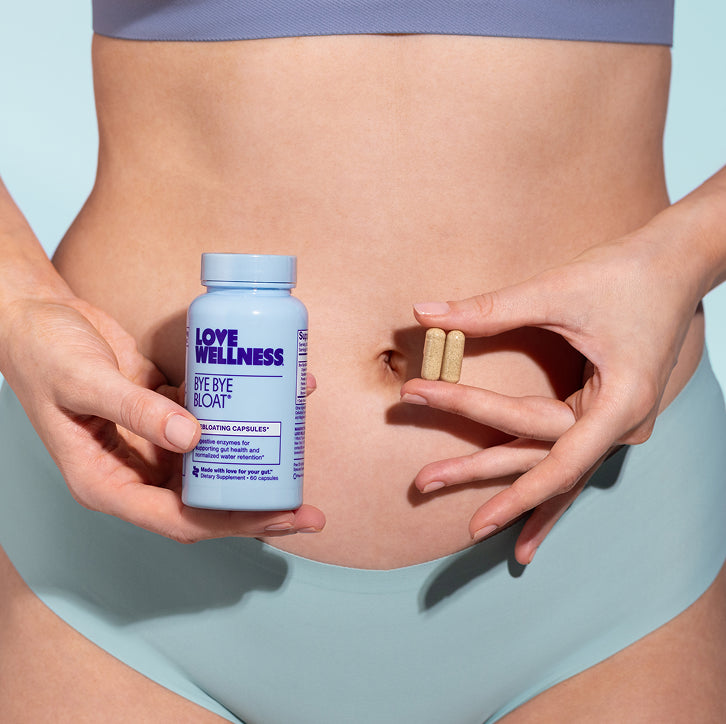
Support your gut bacteria with supplements designed to reduce how much water your body holds. For instance, Bye Bye Bloat contains digestive enzymes to help normalize water retention.
Fermented foods, like yogurt and kimchi, are also fantastic at reducing inflammation.
Manage stress
Limit cortisol production by avoiding stressful situations. Meditation and breathing exercises can help here, as well as getting plenty of sleep. This is a given for all areas of your health.
What It All Comes Down To
A healthy lifestyle is essential for weight support and can have a huge impact on how much fluid you retain.
Just making a few small changes, like reducing your sodium levels and increasing your water intake, can get rid of that bloated feeling.
Over time, consistent habits help your body naturally regulate fluids, so you look and feel less puffy without relying on quick fixes.
FAQs
How do you tell if you have water weight?
The biggest clues are rapid weight fluctuations and feeling bloated or puffy when you're a few pounds heavier.
Water weight often follows salty meals, high-carb days, or hormonal shifts and resolves quickly.
How do I lose water weight?
You can lose water weight by avoiding too much salt, increasing hydration, and eating and exercising well. It's also important to reduce stress and maintain a healthy gut.
Is water weight normal?
Yes, water weight is totally normal, and many people experience it from time to time. It usually occurs after eating a salty meal or due to hormone changes and generally subsides quite quickly.
How to flush out your water weight?
You shouldn't try to "flush" out water weight since this often involves the use of diuretics, which aren't always healthy. Drinking water, reducing salt, and improving diet and exercise are usually enough to reduce it quickly.
Is the first 10 pounds lost usually water weight?
The first 10 lbs lost isn't necessarily all water weight, but water does account for a significant chunk. Usually, the weight you lose in the first week or two of dieting is mainly water weight, as actual fat loss is slower and steadier.
*
