




A slightly acidic pH level is part of a healthy vaginal environment, but what happens when your pH balance is thrown off-kilter? It might mean you need to make some lifestyle changes, or it could signal a more serious issue that requires medical attention.
Learning to recognize the symptoms of unbalanced pH levels will help you stay on top of your vaginal health and recognize when it's time to see a doctor.
What is a Normal Vaginal pH?
pH (potential of hydrogen) is a scale that measures how alkaline or acidic something is. It runs from 0 (very acidic) all the way up to 14 (very alkaline), which means 7 is considered neutral.
A healthy vaginal pH value sits around 3.8 - 4.5, so it's actually quite acidic. For comparison, white vinegar has a pH of around 2.4, and lemon juice is between 2 and 3.
This acidity is essential to maintain a natural balance within the vaginal microbiome. It protects the lactobacillus bacteria (which we need) and limits the growth of bad bacteria.
4 Common Symptoms of Imbalanced pH
There are several telltale signs of a vaginal pH imbalance, and unfortunately, they're not particularly pleasant.
An itching or burning sensation
If your vulva and vagina are itchy and irritated, it's a strong indicator that the vaginal pH balance is off. Equally, if you feel a burning sensation when peeing, having sex, or inserting a tampon, this also points to a problem.
Vaginal irritation and burning pain aren't normal, so if you're experiencing this, then it's time to take action.
Unusual vaginal discharge
Normal vaginal discharge is clear or milky white in color. Or, if you are at the beginning or end of your period, then it may also have pinkish streaks of menstrual blood.
Abnormal discharge can be yellow or green in color, frothy, or have a cottage cheese-like consistency.
A strong odor
Yes, a disrupted pH balance can cause odor!
While a mild, musky smell is normal, an unpleasant odor signals a problem. If it becomes foul or fishy-smelling, it could indicate that your pH balance has shifted.
The cause might be a vaginal infection or that harmful bacteria have taken over.
Vaginal dryness
Although a less common symptom, if your vulva and surrounding area feel dry, it can be tied to unbalanced pH levels, usually when the balance becomes less acidic.
What Causes a pH Imbalance? (and How to Prevent It)
There's a whole host of reasons why you might have an unbalanced vaginal pH. And it's important to find the cause because some require swift medical attention.
Sexual activity
Bodily fluids, like semen, result in a higher vaginal pH. Therefore, frequent unprotected sex can mess with your vaginal flora.
If you use sex toys, improper cleaning can introduce harmful bacteria. Lubricants and similar products can also affect pH.
Practicing safe sex and good hygiene will reduce your odds of upsetting your pH when you’re sexually active.
Sexually transmitted infections (STIs)
Any STI will affect your vaginal pH levels, as well as cause other problems, some potentially serious.
Safe sex, therefore, is a must. And get yourself regularly screened, especially if you have new or multiple sexual partners.
Bacterial vaginosis (BV)
BV happens when unhealthy bacteria outweigh the beneficial bacteria. Along with itching and burning, you'll likely notice that your pH levels rise above the normal range.
BV is typically treated with antibiotics. For some women, switching cleansing products and improving daily habits may help prevent recurrence once the infection has cleared.
Yeast infections
Your vagina contains Candida albicans, a type of fungus.
Occasionally, an overgrowth occurs, which lowers the good bacteria and disrupts the natural pH. This is also the culprit of cottage cheese-like discharge.
You can treat a yeast infection using over-the-counter medications and reduce your odds of getting one by avoiding tight, non-breathable clothing.
Cleansing practices
Harsh soaps, scented sprays, douching. They all play havoc with your vaginal health and lead to an overgrowth of bad bacteria and persistent itching and irritation.
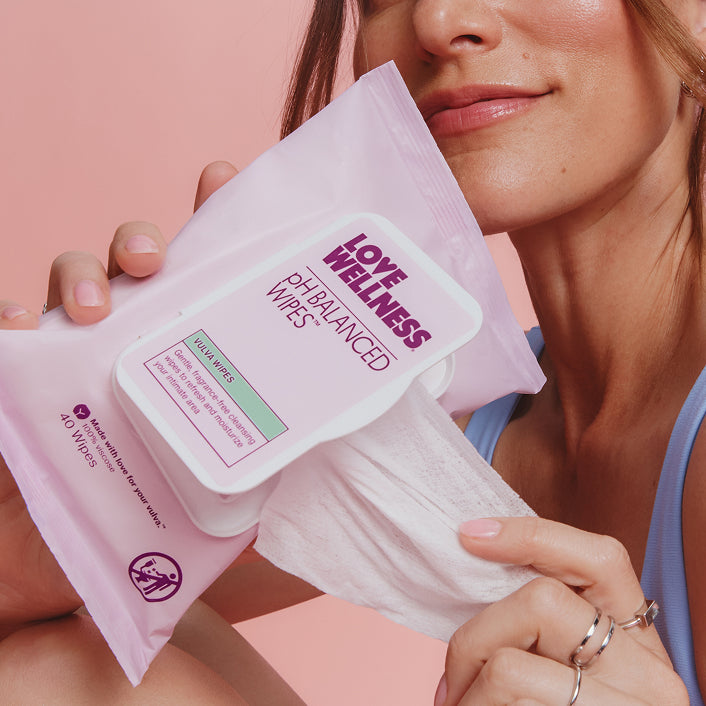
Since the vagina is self-cleansing, douching is entirely unnecessary. For your vulva, use warm water and a pH-balanced cleanser or products that maintain skin freshness without the use of scent or harsh ingredients.
Contraception
Some people are fine using certain forms of contraception, others find it disrupts their pH scale.
Here are the ones to watch out for:
-
Spermicides can be a real problem because they can kill lactobacilli bacteria.
-
Copper and hormonal IUDs alter vaginal pH in some users, but not everyone.
-
Progestin-heavy contraceptive pills can change the vaginal microbiome.
-
Vaginal rings that sit directly in the vagina may also occasionally affect the vaginal flora.
If you start using a form of contraception and notice any of the aforementioned symptoms, contact your healthcare provider to explore other options.
Hormonal shifts
We experience hormonal changes during our menstrual cycle and throughout the perimenopause and menopause.
Particularly during the menopause stages, estrogen drops, and the vaginal lining can experience extreme dryness, itching, or pain.
In this case, you can help balance the vaginal pH by taking probiotic supplements and staying hydrated.
Tight clothing
The vagina thrives in a cool environment with plenty of airflow.
Heat, sweat, moisture, and friction will affect the vaginal area and increase your chances of getting BV or a yeast infection.
You can avoid this by:
-
Wearing cotton underwear
-
Changing quickly out of sweaty or wet clothing
-
Choosing moisture-wicking fabrics for exercise
-
Ditching polyester, nylon, PVC, and acrylic pants in favor of breathable fabrics, like cotton, linen, or bamboo
Diet
High sugar foods encourage yeast overgrowth, while poor gut health will affect your vaginal microbiome. Excessive alcohol and processed foods also take their toll.
Dehydration is another major contributor to pH disruption and vaginal dryness. And shifts in eating habits can affect hormones and, therefore, pH levels.
To maintain a healthy pH balance, make sure you:
-
Eat nutrient-dense foods that balance pH, like leafy greens, fruits, nuts, and protein
-
Include fermented foods, such as live yogurt or kefir, to support healthy bacteria
-
Drink plenty of water
-
Avoid processed foods
-
Limit your alcohol and sugary soda intake
Antibiotics
Antibiotics have one job and that’s to kill off bacteria. Unfortunately, they can't differentiate between the good and the bad bacteria.
So, when you take a course of antibacterial medication, it wipes out the protective lactobacillus.
To combat this issue, take probiotics to build up your healthy bacterial reserves. Also, only use antibiotics when it's really necessary.
Keep Your pH in Check
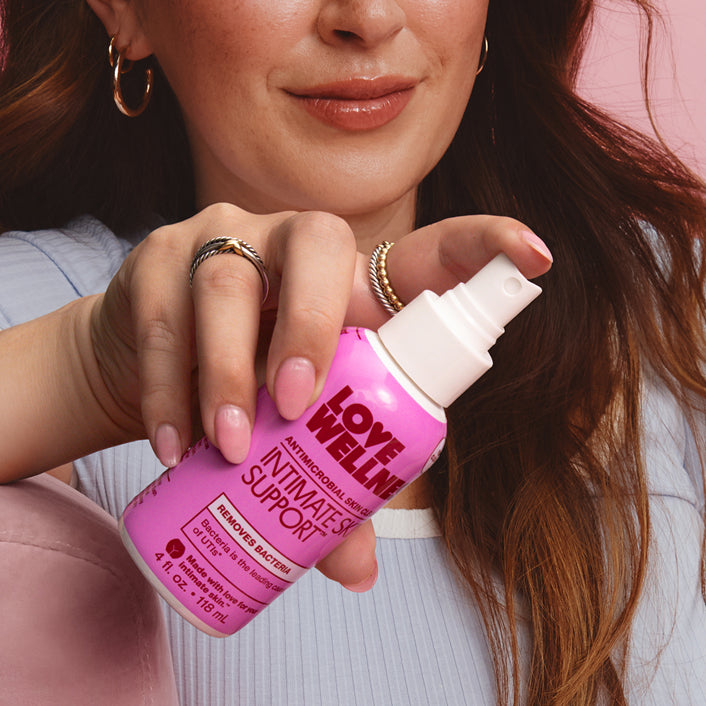
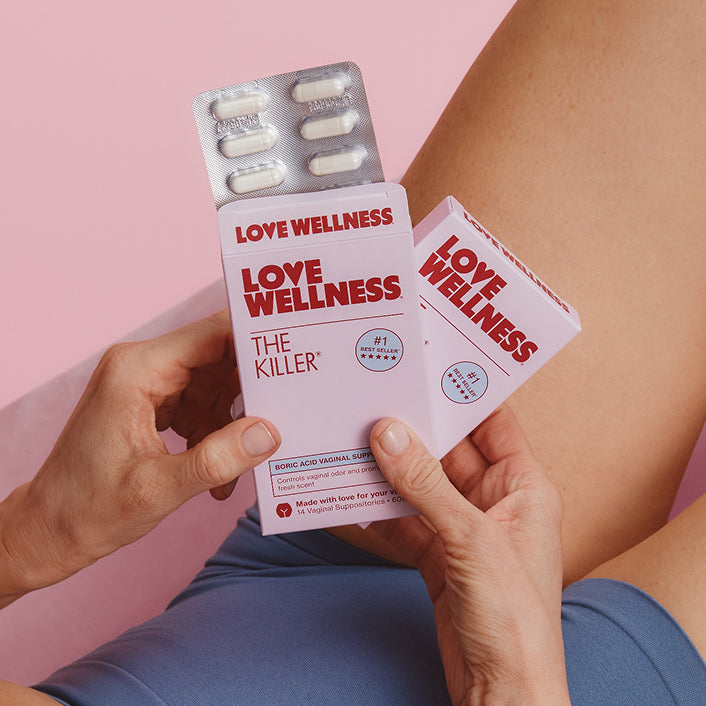
Many pH issues are quickly treated by making a few simple lifestyle tweaks. Love Wellness has a full lineup of women’s health products that are formulated to help you take control of your health, including your pH. Check out our pH Balance Cleanser™ and The Killer® Boric Acid Suppositories.
However, if symptoms persist, it's important to get a clinical diagnosis to address any potential infections or hormonal imbalances.
FAQs
How do I get my pH balance back to normal?
To get your pH balance back to normal, avoid douching and using scented products. Wear breathable underwear, stay hydrated, and eat a healthy diet. Probiotics can also help restore pH levels.
How long does it usually take to balance out vulvar pH?
Minor pH disruptions may improve within a few days once the trigger is removed. Infections may take a week or longer, depending on the treatment.
*
